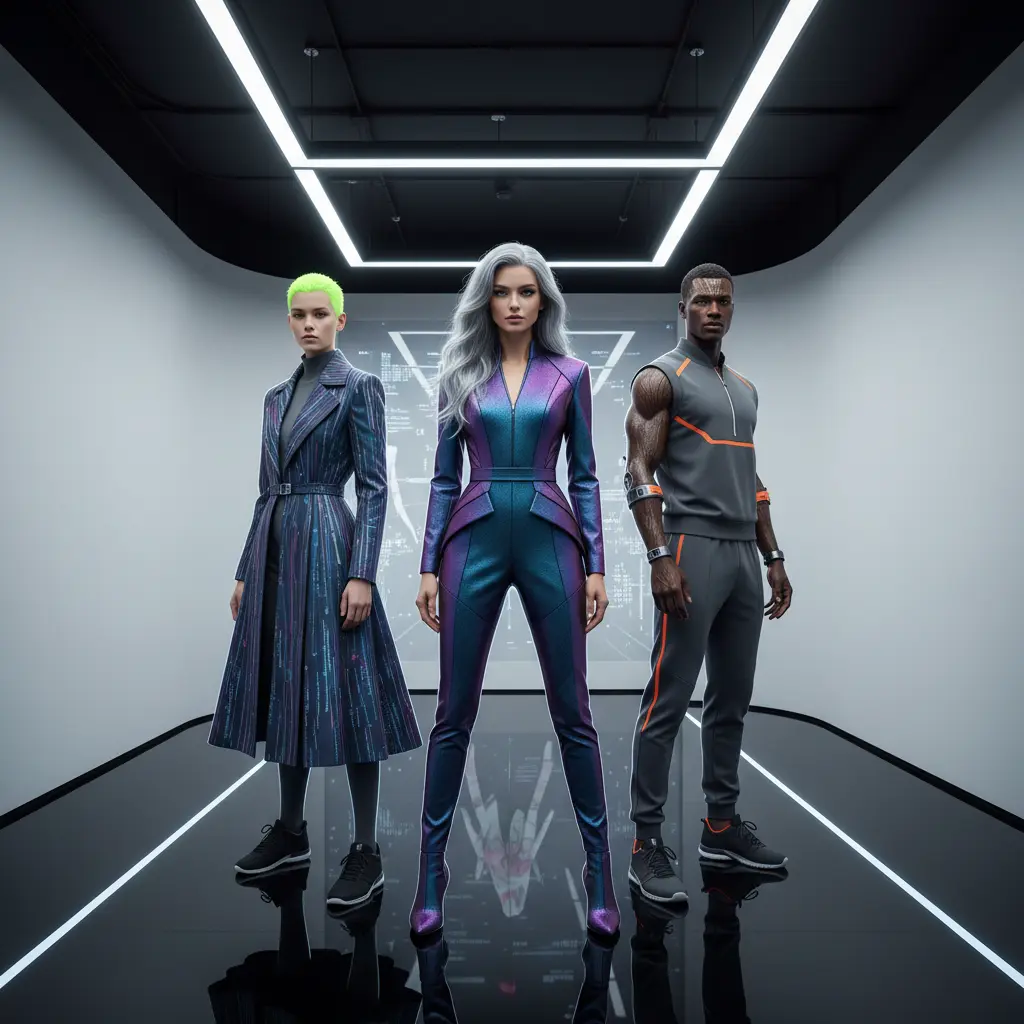
AI Fashion Model Generators
AI fashion model generators are advanced software tools that leverage artificial intelligence to create virtual human models, often indistinguishable from real people, for showcasing clothing and accessories in digital environments. These platforms use sophisticated algorithms to generate unique model faces, bodies, poses, and expressions, tailored to specific product needs and brand aesthetics without the logistical challenges of traditional photoshohoots.
Defining Virtual Models for Ecommerce
Virtual models, in the context of ecommerce, are digital representations of human figures used to display products in various settings and styles. They offer a flexible and cost-effective alternative to hiring human models, providing endless possibilities for customization and quick deployment across multiple marketing channels.
Core AI Technologies at Play
The core technologies powering these generators include generative adversarial networks (GANs), diffusion models, and 3D rendering engines. These AI models are trained on vast datasets of human images and fashion photography, allowing them to understand human anatomy, diverse fashion styles, and realistic lighting to produce high-quality, authentic visuals.
AI Fashion Models Essential for Ecommerce in 2026
AI fashion models are essential in 2026 for ecommerce because they address critical industry demands for diversity, speed, cost-efficiency, and scalability in content creation. They enable brands to adapt quickly to trends, personalize customer experiences, and reach global audiences with culturally relevant visuals.
Enhancing Diversity and Inclusivity
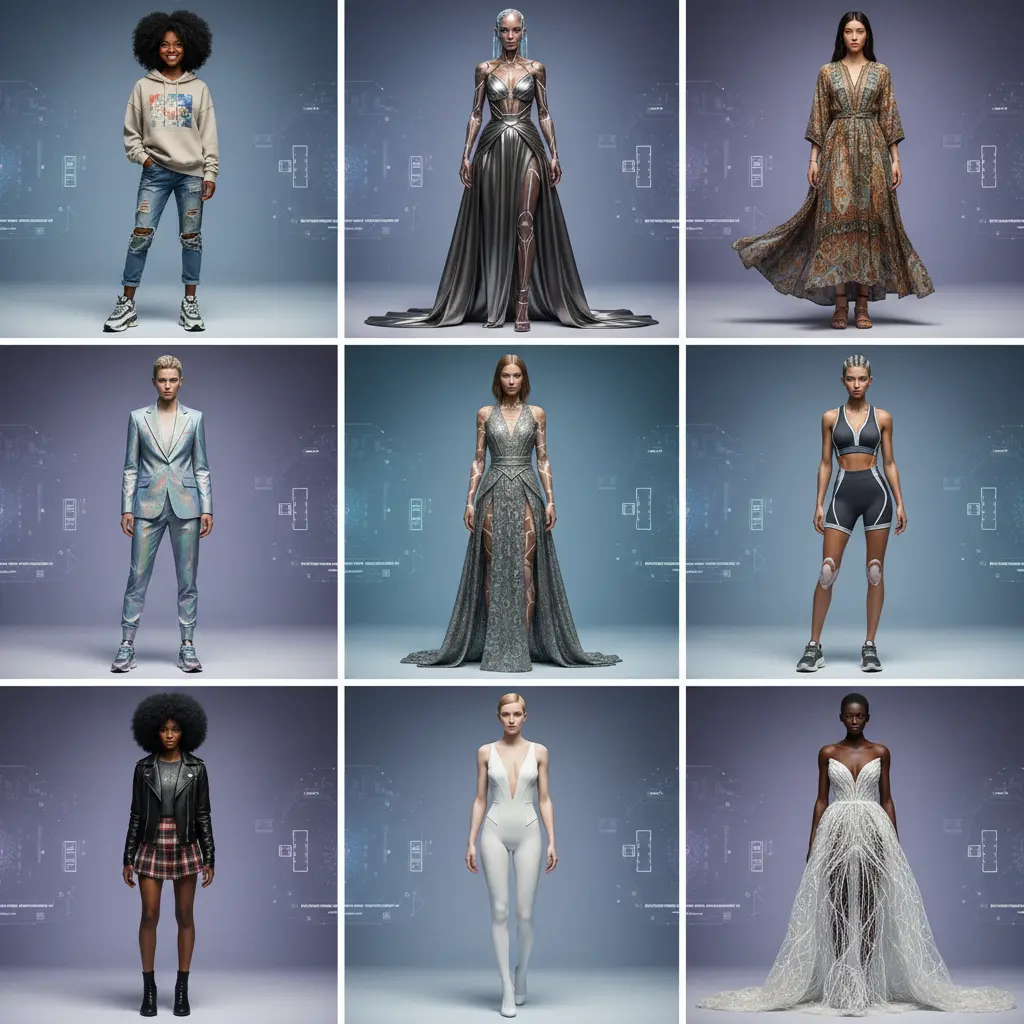
AI fashion model generators provide the unparalleled ability to create models of any age, gender, ethnicity, and body type, promoting true diversity and inclusivity in fashion advertising. This ensures that brands can represent their entire customer base, fostering stronger connections and broader appeal.
Achieving Unmatched Speed and Scalability
One of the primary advantages of AI models is the ability to generate hundreds or thousands of unique product images rapidly, far exceeding the pace of traditional photoshoots. This scalability is crucial for modern ecommerce operations, especially for fast-fashion or dropshipping businesses that require a constant influx of fresh content.
Significant Cost Reduction
By eliminating expenses related to model fees, studio rentals, stylists, photographers, and travel, AI model generators drastically cut content production costs. This makes high-quality visual content accessible even for small businesses and startups, leveling the playing field in competitive markets.
AI Fashion Model Generators Work
AI fashion model generators work by combining uploaded product images with customizable virtual models and AI-powered scene generation to produce photorealistic marketing assets. Users typically provide product photos, select a virtual model, and then define the desired pose, background, and lighting.
Inputting Product and Style Data
The process begins with uploading high-resolution images of the product you wish to showcase. These images are then analyzed by the AI to understand fabric textures, draping, and garment details, ensuring a realistic fit on the virtual model.
Customizing Model Attributes (Age, Gender, Looks)
Users can customize a virtual model's attributes, including age, gender, body shape, skin tone, hair color, and facial features. Specialized platforms like My UGC Studio allow you to create your own models with custom age, gender, and looks, ensuring alignment with your target audience and brand identity.
Generating Dynamic Poses and Scenarios
AI models can be placed in a multitude of poses, environments, and scenarios, from studio shots to lifestyle settings, without needing to physically arrange elaborate sets. This capability enhances storytelling and contextualizes products for diverse customer segments.
The Key Benefits for Fashion Brands
For fashion brands, AI model generators offer benefits ranging from consistent branding and enhanced A/B testing capabilities to broader global market appeal. These advantages directly translate into improved engagement, conversion rates, and overall brand performance.
Consistent Brand Image Across Campaigns
Virtual models ensure visual consistency across all marketing channels and campaigns, maintaining a cohesive brand aesthetic. This is critical for brand recognition and customer trust, especially when launching new collections or expanding product lines.
Facilitating A/B Testing and Optimization
AI-generated content allows for rapid A/B testing of different models, poses, and backgrounds to identify which visuals resonate most with specific audiences. This data-driven approach optimizes marketing spend and maximizes conversion rates, as highlighted in guides on reducing customer acquisition cost with UGC-style assets.
Expanding Global Market Appeal
By generating models that reflect local demographics and cultural nuances, brands can effectively localize their content for global markets. This strategy significantly boosts relevance and engagement, a key component of capturing global markets with AI presets.
Challenges Do Generic AI Models Present
Generic AI models, while powerful, often present challenges such as inconsistent quality, high iteration costs, and a lack of specialized features for ecommerce-ready product visuals. Tools like Midjourney, Stable Diffusion, or DALL-E are excellent for concept art but typically require extensive manual editing and prompt tuning to achieve the precision needed for product geometry, realism, and consistent placement in commercial photography.
The Pitfalls of Inconsistent Quality
Without specialized training or controls, general-purpose AI models can produce artifacts, unnatural poses, or inconsistent lighting, leading to images unsuitable for direct ecommerce use. Achieving photorealistic quality consistently often demands expert-level prompting and post-processing.
High Iteration Costs and Time
Generating a high volume of commercially viable images using generic AI tools can be time-consuming and expensive due to the iterative nature of prompt refinement and manual fixes. Each adjustment or inconsistency requires additional effort, negating some of the efficiency benefits.
The Need for Specialization in Fashion
Fashion ecommerce demands precision in fabric rendering, garment fit, and natural human interaction with clothing, which generic AI struggles to achieve without specific fine-tuning. This gap underscores the value of platforms built specifically for product photography and model generation, offering tailored features for the fashion industry.
"The future of fashion retail lies in hyper-personalized visual experiences. AI-generated models aren't just about efficiency; they're about connecting with every customer on a deeper, more representative level."
— Fashion Tech Innovator, 2026
To Choose the Right AI Fashion Model Generator
Choosing the right AI fashion model generator involves evaluating its feature set, ease of use, and specific capabilities for ecommerce-ready content, prioritizing platforms designed for commercial application. It's crucial to select a tool that seamlessly integrates into your existing workflow and produces consistent, high-quality results.
Evaluating Feature Sets and Usability
Look for platforms that offer intuitive interfaces, extensive customization options for models and scenes, and tools specifically for apparel showcasing. Consider features like background removal, pose libraries, and advanced lighting controls that simplify the creative process.
Prioritizing Ecommerce-Specific Solutions
Opt for generators built with ecommerce in mind, which typically include functionalities like product photography integration and batch processing. These specialized solutions are far more effective than generic AI for creating conversion-focused visuals, as discussed in the context of My UGC Studio vs. generic AI for UGC.
Considering Integrations and Workflow Compatibility
Ensure the generator can integrate with your existing ecommerce platforms (e.g., Shopify) and content management systems. A smooth workflow from product upload to final image export is vital for efficiency, especially for businesses leveraging AI UGC generators for Shopify.
Generating AI Models for Your Products
Generating AI fashion models for your products involves a straightforward step-by-step process, designed for efficiency and high-quality output. This workflow enables even small teams to produce professional-grade visuals rapidly.
Step-by-Step Content Creation
Follow these steps to generate high-quality AI fashion model images for your ecommerce products:
- Upload Product Image: Start by uploading a clear, high-resolution image of your product. The AI will analyze its features and characteristics.
- Select or Create a Virtual Model: Choose from a library of pre-existing virtual models or, as with My UGC Studio, click "Generate New" to create your own with custom age, gender, and looks to perfectly match your target demographic.
- Define Pose and Environment: Select a pose that best showcases your product and choose a background or scene that aligns with your brand's aesthetic. You can also specify lighting conditions.
- Generate and Review: The AI will then process your inputs and generate the image. Review the output for realism and alignment with your vision.
- Refine and Export: Make any necessary minor adjustments, then export the final image in your desired format and resolution for immediate use on product pages, social media, or ad campaigns.
Cost-Benefit Analysis: AI Models vs. Traditional Photography
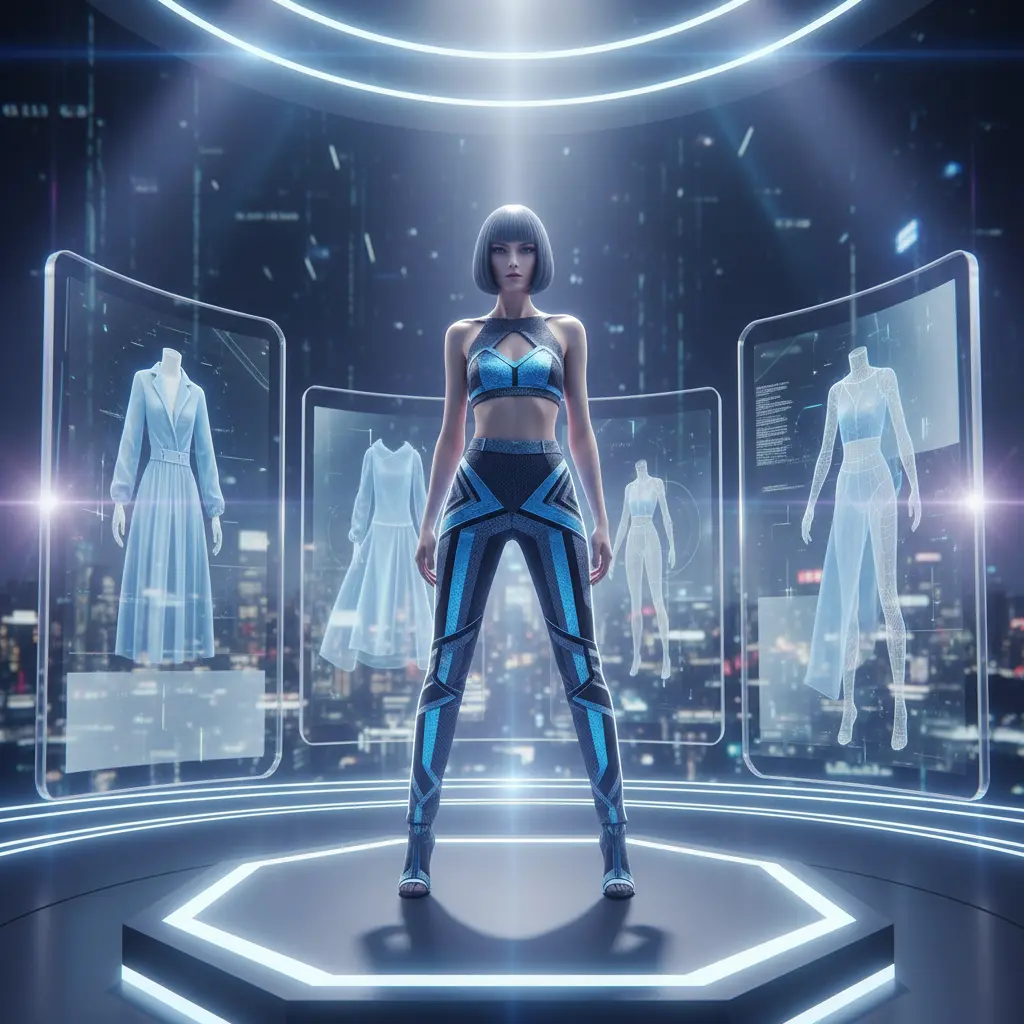
AI fashion model generation offers significant cost and efficiency benefits compared to traditional photography, making it a highly attractive option for ecommerce businesses in 2026. The reduction in direct costs and time-to-market provides a substantial competitive edge.
Financial and Operational Advantages
The financial and operational advantages of AI-generated content are evident in both upfront expenses and ongoing content needs.
| Feature | AI Fashion Models | Traditional Photography |
|---|---|---|
| Cost per Image | Low (Subscription/per-generation) | High (Model fees, studio, crew, equipment) |
| Time to Market | Minutes to Hours | Days to Weeks |
| Scalability | Extremely High (Batch generation) | Limited (Logistical constraints) |
| Diversity/Inclusivity | Unlimited (Customizable models) | Challenging/Expensive (Casting) |
| Consistency | High (Controlled parameters) | Variable (Human elements, changing conditions) |
| Location Variety | Unlimited (Virtual backgrounds) | Limited (Physical sets, travel) |
| Iteration Speed | Instant adjustments | Reshoots required |
What's Next Future Trends for AI in Fashion Ecommerce
The future of AI in fashion ecommerce points towards even greater personalization, dynamic content creation, and the rise of virtual influencers with increasing autonomy and realism. These advancements promise to further revolutionize how brands connect with consumers and present their products.
Hyper-Personalization and Dynamic Content
Future AI models will enable hyper-personalized shopping experiences, dynamically adjusting models and scenes based on individual customer preferences and browsing history. Imagine product pages that show clothing on a model matching the customer's body type or ethnicity, enhancing relevance and conversion.
The Rise of Virtual Influencers
Beyond static images, advanced AI will power fully autonomous virtual influencers capable of creating their own content, interacting with followers, and embodying brand narratives. This opens new avenues for marketing and brand engagement in the digital sphere.
AI-Generated Fashion Content Maximize ROI
AI-generated fashion content maximizes ROI by significantly reducing costs, accelerating content pipelines, and providing highly optimized visuals that drive higher conversion rates in advertising and on product pages. This efficiency directly impacts profitability and market reach.
Optimizing for Paid Advertising Campaigns
The ability to quickly generate diverse ad creatives with varied models and settings allows brands to continuously test and optimize paid advertising campaigns. This leads to lower customer acquisition costs and higher returns on ad spend, especially for platforms like TikTok where UGC video ads perform exceptionally well.
Leveraging UGC-Style Assets for Authenticity
AI can create visuals that mimic user-generated content (UGC), which is highly trusted by consumers and drives authenticity. Integrating AI-generated UGC-style assets into dropshipping strategies, for example, can significantly boost engagement and sales, as detailed in our guide on UGC content for Shopify dropshippers.