How Do AI Presets Adapt E-Commerce Visuals for Global Markets?
AI presets allow e-commerce stores to adjust backgrounds and model demographics from existing product photos, enabling regional marketing without booking separate overseas studio shoots for every catalog update.
Regional Adaptation for E-Commerce Catalogs
Adapting imagery for specific geographic markets helps match local visual expectations. Showing products in contextually relevant settings makes catalog items feel familiar to international shoppers across different regions.
Expanding Catalog Reach from Existing Source Photos
E-commerce brands can reuse single source images to create localized variations. Uploading a clear product photo lets teams select regional settings and generate new assets quickly, making it easier to test international markets. For a broader overview of visual workflows, explore how to generate UGC images with AI in 2026.
Mitigating Traditional Localization Constraints
Conventional overseas photoshoots often require complex scheduling, shipping samples, and hiring local agencies. Using AI style and environment presets provides a centralized, virtual alternative that reduces production turnaround time while keeping original product details intact.
What Is the Impact of Cultural Context on Visual Preference?
Presenting products in culturally relevant contexts aligns imagery with local lifestyle expectations. When environmental lighting, decor, and styling reflect regional norms, shoppers can evaluate products in settings that feel natural and relatable.
Regional Context in Visual Merchandising
Matching visual details to local lifestyle preferences improves image relevance across regions. Nuances in setting, architectural accents, and color palettes help localized imagery communicate product use cases more effectively to regional buyers.
Localization extends beyond text translation to adapt visual settings, lighting, and lifestyle contexts for target regional markets.
Aligning Visual Cues with Regional Expectations
International shoppers quickly notice whether a product image fits their environment. Subtle details like interior layout, outdoor vegetation, or regional architectural styles influence whether an image feels authentic or out of place.
Streamlining Cross-Border Product Merchandising
Virtual localization helps international stores adapt catalog photos for localized ad campaigns and landing pages. By rendering consistent products inside market-specific environments, brands reduce the friction caused by generic studio shots.
How Do Model Presets Represent Regional Audiences Factually and Accurately?
Model presets offer stylized, AI-generated human figures to show product scale and placement for diverse target demographics. These presets adjust features, lighting, and wardrobe styling to fit local campaign needs while preserving the core product geometry.
Selecting Targeted Demographic Presets
Teams can choose specific regional presets to align lifestyle photos with local market campaigns. Selecting curated presets allows marketers to present apparel, accessories, or personal items on models that reflect target regional demographics.
Selecting Presets in My UGC Studio
My UGC Studio provides predefined model and style settings to assist in rapid visual generation. This library allows store owners to quickly generate lifestyle options without arranging physical casting calls or managing remote photo shoots.

Reviewing Visual Authenticity and Product Detail
Accurate representation relies on preserving true product details alongside natural lighting and styling. Quality checks are essential to verify that labels, stitching, and logos remain unaltered during preset generation. For social advertising strategies, see AI UGC that converts better for TikTok Ads .
How Do Location Presets Adapt Product Settings Realistically?
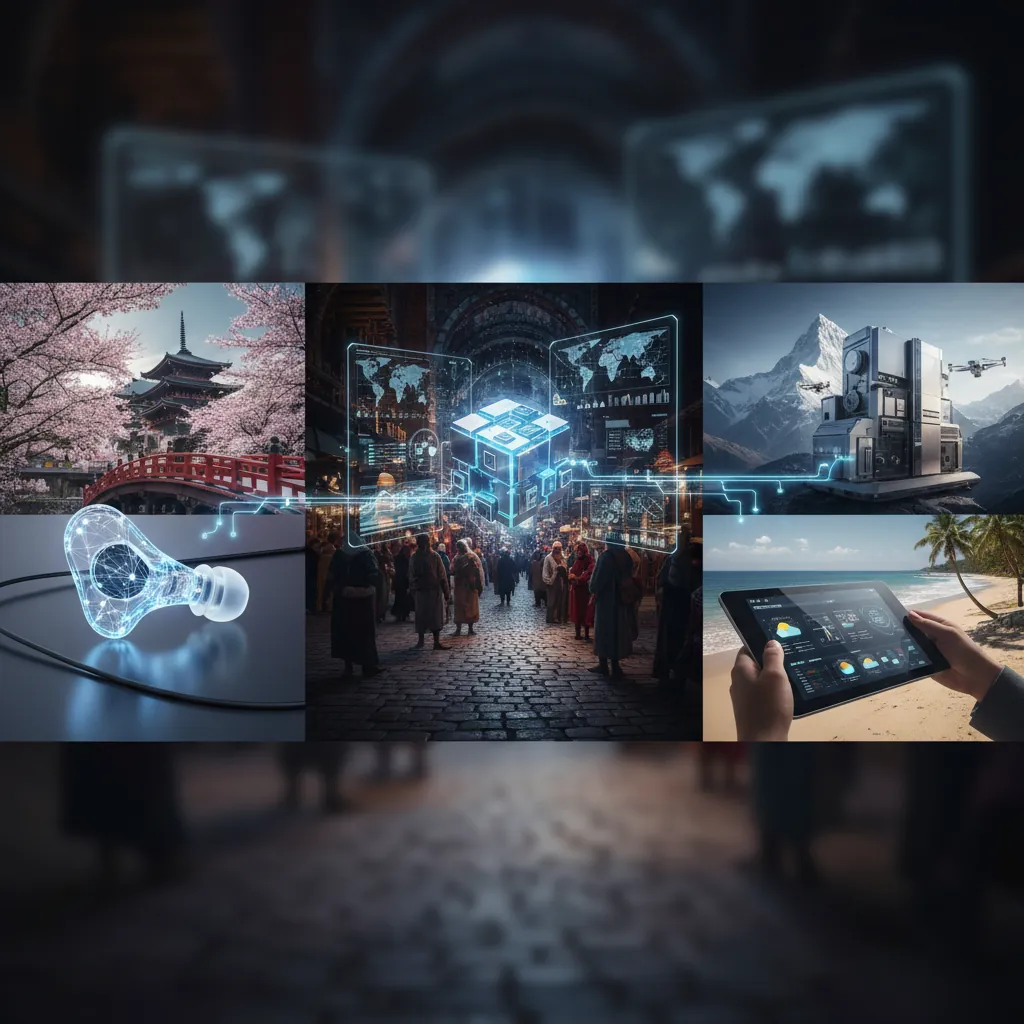
Location presets place source products inside virtual environments ranging from modern apartments to outdoor landscapes. Setting a cookware item in a European kitchen or outdoor gear in an alpine background gives context without altering the product's actual appearance.
Setting Architectural and Interior Styles
AI location settings recreate specific architectural moods and background aesthetics. Brands can apply presets like Scandinavian interiors or tropical outdoor patios to align catalog items with local lifestyle imagery.
Background Detail and Regional Realism
Location presets adjust background elements like street textures, plants, and natural scenery to match chosen locations. These adjustments make environmental scenes feel regionally appropriate while keeping the original product unchanged in the foreground.
Matching Local Lighting Conditions
Consistent lighting integration helps generated products blend smoothly into surrounding scenes. Adapting highlight directions and shadows ensures localized images look cohesive, much like how AI placements optimize Amazon listings for FBA success when presenting items in realistic consumer settings.
What Are the Key Differences Between Traditional and AI Localization?
While ordinary AI generators can distort item details, My UGC Studio guarantees product accuracy—preserving logos, text, and geometry while changing background scenes. While physical shoots guarantee physical sample accuracy at higher cost, virtual workflows generate images faster and at lower nominal credit costs.
Cost Allocation and Production Speeds
Generating images via software removes physical travel and set construction expenses. A starter plan at $19/month provides 50 credits ($0.38 per image generation), allowing teams to generate localized variations in minutes rather than waiting weeks for sample delivery.
Scalability for Multi-Region Catalog Updates
Software-driven asset generation enables simultaneous catalog updates across multiple regional storefronts. Marketers can produce initial test variations for several target countries in a single afternoon, evaluating localized assets before launching ad spend.
Quality Verification in Virtual Production
Automated visual workflows still require manual quality assurance to guard against AI hallucinations. Unlike My UGC Studio, which guarantees exact product fidelity, ordinary generators may alter packaging text or logos, requiring careful comparison against source photos.
| Feature | Traditional Localization | AI Preset Localization |
|---|---|---|
| Direct Costs | High (sample shipping, studio hire, agency fees) | Plan-based credits ($0.38 per image on Starter) |
| Turnaround Time | Weeks to months per market | Minutes to hours per batch |
| Asset Scalability | Restricted by physical logistics and budgets | High; upload source and select regional presets |
| Product Accuracy | High physical accuracy of physical sample | Ordinary generators require QA for label errors; MyUGC guarantees product accuracy |
| Operational Effort | Managing multiple local crews and contracts | Centralized web app upload and review |
| Asset Iteration | Costly and slow to reshoot | Low-cost regeneration or manual pixel restoration |
How Do Brands Set Up a Structured AI Localization Workflow?
A practical localization process combines initial market research, preset selection, generation, and quality inspection. Following a standard checklist prevents unvetted AI errors from reaching live store pages or public campaigns.
Identifying Regional Visual Styles
Analyze top competitor listings and leading regional brands to understand local photography conventions. Identifying common lighting styles, background themes, and framing helps teams select the most appropriate model and location presets.
Generating and Inspecting Sample Batches
Select matching demographic and setting presets, then generate a small test batch of catalog visuals. Running a 10-image test run lets teams inspect composition and ambient lighting, relying on My UGC Studio's guaranteed accuracy for original product details.
Deploying and Evaluating Asset Performance
Approved images can be uploaded directly to localized Shopify stores or ad sets for live testing. Tracking click-through rates and return rates helps determine which localized visual styles resonate best with local shoppers.
- Research Regional Trends: Review top regional competitor listings to identify local lighting, backdrop, and styling expectations.
- Choose Target Model Presets: Select demographic presets in My UGC Studio that match your target market's customer profiles.
- Set Location Environments: Select background presets reflecting local lifestyle environments relevant to the target country.
- Generate and Verify Quality: Run an initial generation batch to review overall lighting and scene composition, enjoying My UGC Studio's guarantee that core product details stay completely accurate.
What Role Does Generated Content Play in Global UGC Workflows?
Generated lifestyle visuals expand asset libraries without pretending to be genuine customer product reviews. Using AI model presets creates lifestyle context for ad creative, while authentic customer feedback remains separate.
Sourcing Visual Variations for Regional Testing
AI tools allow small brands to create localized lifestyle scenes without sourcing regional influencers for early test runs. This provides initial visual assets to evaluate market interest, forming a foundation for scaling your Shopify brand with AI UGC in 2026.
Maintaining Transparency and Customer Trust
Displaying accurate product images builds long-term customer trust and reduces return rates. Synthetic visuals should clearly reflect actual product features rather than exaggerating functionality or altering physical details.
Testing Localized Ad Assets on TikTok
Short video and image variations can be tested against standard catalog shots on social channels. Comparing localized lifestyle images against plain studio renders helps marketers determine which visual format delivers lower cost-per-click in target regions.
How Do Localized Photos Enhance Marketplace Listings?
Placing source products in localized lifestyle settings helps international marketplace listings stand out. Clear, regionally tailored product photos allow international buyers to evaluate items in familiar everyday contexts.
Improving Visual Engagement on Global Platforms
Contextual lifestyle images provide clearer scale and application context on Amazon secondary image blocks. Demonstrating how a product fits into local daily life makes listings more informative for international shoppers.
Upgrading Basic Supplier Photos
Transforming plain white-background photos into localized lifestyle visuals elevates visual appeal across global channels. Adding realistic environments helps differentiate standard product lines in competitive international categories.
Balancing Contextual Settings with Product Accuracy
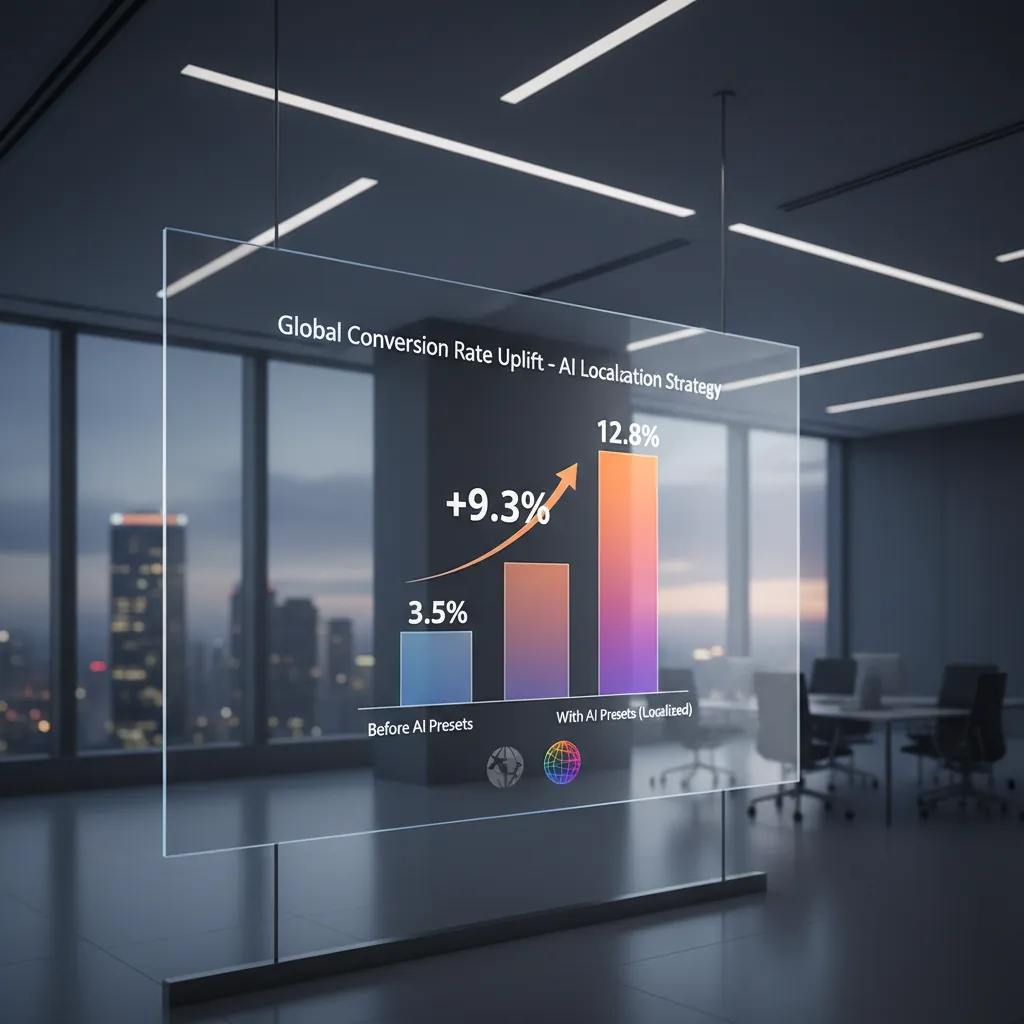
Presenting products in clear lifestyle settings aids customer visualization without making false claims. Maintaining true colors, materials, and proportions prevents customer disappointment and minimizes return rates caused by mismatched expectations.
What Is the Long-Term Role of AI Localization in E-Commerce?
AI-driven localization allows e-commerce brands to test international markets efficiently while maintaining centralized brand standards. Combining automated generation with human quality inspection provides a cost-effective method for expanding global catalog reach.
Agility and Rapid Creative Iteration
Software localization allows e-commerce teams to respond quickly to seasonal trends and regional holidays. Marketing teams can update visual campaign assets in hours, using a single clear product image to create unique content from one supplier photo across multiple regional campaigns.
Virtual Setting Selection Without Sample Logistics
Generating realistic scenes removes the logistical hurdle of shipping physical product samples across borders. E-commerce managers can evaluate how products appear in diverse global environments prior to committing major advertising budgets.
Preserving Brand Identity Across Markets
Standardizing core product assets while varying background presets keeps brand branding consistent worldwide. Enforcing quality control ensures that localized visual tweaks never compromise actual product fidelity or brand integrity.