Virtual Try-On for Clothing Brands
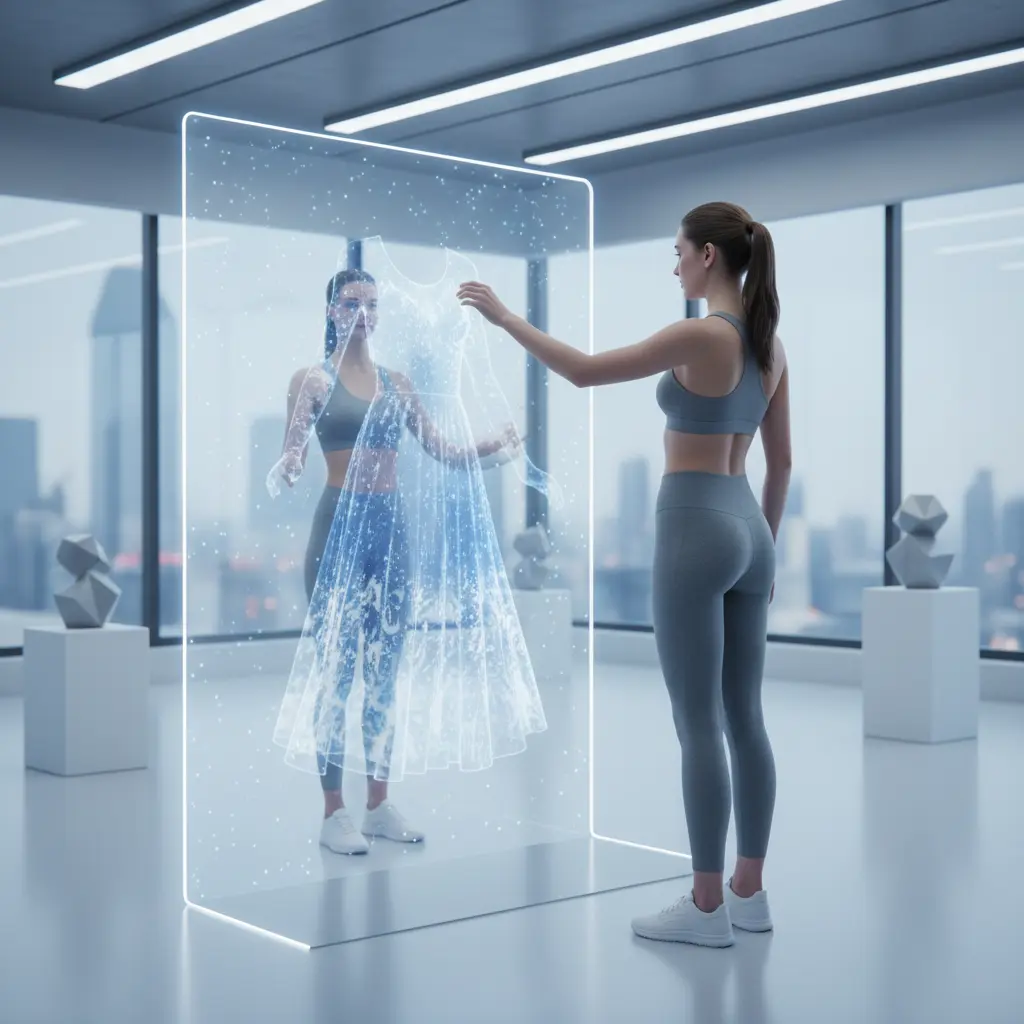
Virtual try-on (VTO) for clothing brands is an AI-driven technology that allows customers to digitally visualize how apparel would look on them without physically trying it on. It simulates the fitting of clothes, shoes, and accessories on a digital avatar or a live camera feed, providing a highly interactive and personalized shopping experience.
The core components of virtual try-on
The core components of virtual try-on include 3D garment models, realistic avatar generation or live AR overlay, and AI algorithms for physics-based draping and fit simulation. These elements work together to create a believable representation of clothing on a body, considering fabric type, cut, and size variations.
It differ from simple 3D modeling
Virtual try-on differs from simple 3D modeling by incorporating advanced AI for realistic fabric simulation, dynamic body adaptation, and real-time interaction. Simple 3D modeling primarily focuses on creating static digital representations of products, whereas VTO aims to replicate the physical try-on experience with accurate fit and movement.
AI Enhance Virtual Apparel Experiences
AI significantly enhances virtual apparel experiences by enabling hyper-realistic garment rendering, dynamic fit adjustments, and personalized recommendations. Modern AI models, like those in My UGC Studio's Virtual Apparel mode, can generate model-based lifestyle images from simple product photos, making virtual try-on accessible and efficient for any brand.
AI ensure realistic garment draping
AI ensures realistic garment draping by employing complex physics engines that simulate how different fabrics would fall, wrinkle, and move on a human body. This includes analyzing material properties like elasticity, stiffness, and weight to render highly accurate and visually convincing digital garments.
Role does AI play in personalized recommendations
AI plays a crucial role in personalized recommendations by analyzing customer preferences, past purchases, and virtual try-on data to suggest garments that are likely to fit well and appeal to the individual's style. This helps customers discover new items and feel more confident in their purchasing decisions.
"Brands leveraging AI for virtual try-on are not just selling clothes; they're selling confidence and an elevated shopping journey. This shift is critical for capturing the modern consumer's trust and loyalty."
Virtual Try-On Essential for Modern E-commerce
Virtual try-on is essential for modern e-commerce because it directly addresses key customer pain points like fit uncertainty and the inability to physically interact with products. It transforms the online shopping experience from passive browsing to active engagement, fostering higher satisfaction and reducing friction in the buying process.
It address common online shopping pain points
Virtual try-on addresses common online shopping pain points by providing visual confirmation of how an item looks and fits, mitigating concerns about size, style, and compatibility with a shopper's body type. This reduces guesswork and builds trust, leading to more informed purchases.
Impact does it have on customer confidence
It has a significant positive impact on customer confidence by empowering shoppers with a realistic preview of their potential purchase, reducing anxiety about returns and enhancing overall satisfaction. When customers can visualize themselves in an outfit, they feel more assured about their choice.
The Key Benefits of Implementing Virtual Try-On in 2026
Implementing virtual try-on technology offers substantial benefits including reduced return rates, increased conversion rates, enhanced brand perception, and significant cost savings on content creation. It's a strategic investment that pays dividends across multiple facets of an e-commerce operation.
It reduce product returns
Virtual try-on reduces product returns by enabling customers to make more accurate purchase decisions regarding size and fit, minimizing instances where items don't meet their expectations upon arrival. Brands consistently report lower return rates on products viewed through VTO.
The conversion rate improvements
Conversion rate improvements stem from increased customer engagement and confidence, as shoppers are more likely to complete a purchase when they have a clear visualization of the product on themselves. Interactive experiences are proven to drive higher intent-to-buy.
It enhance brand perception
It enhances brand perception by positioning the brand as innovative, customer-centric, and forward-thinking, providing a superior and memorable shopping experience that differentiates it from competitors. This modern approach builds trust and loyalty.
Virtual Try-On Compare to Traditional Photoshoots
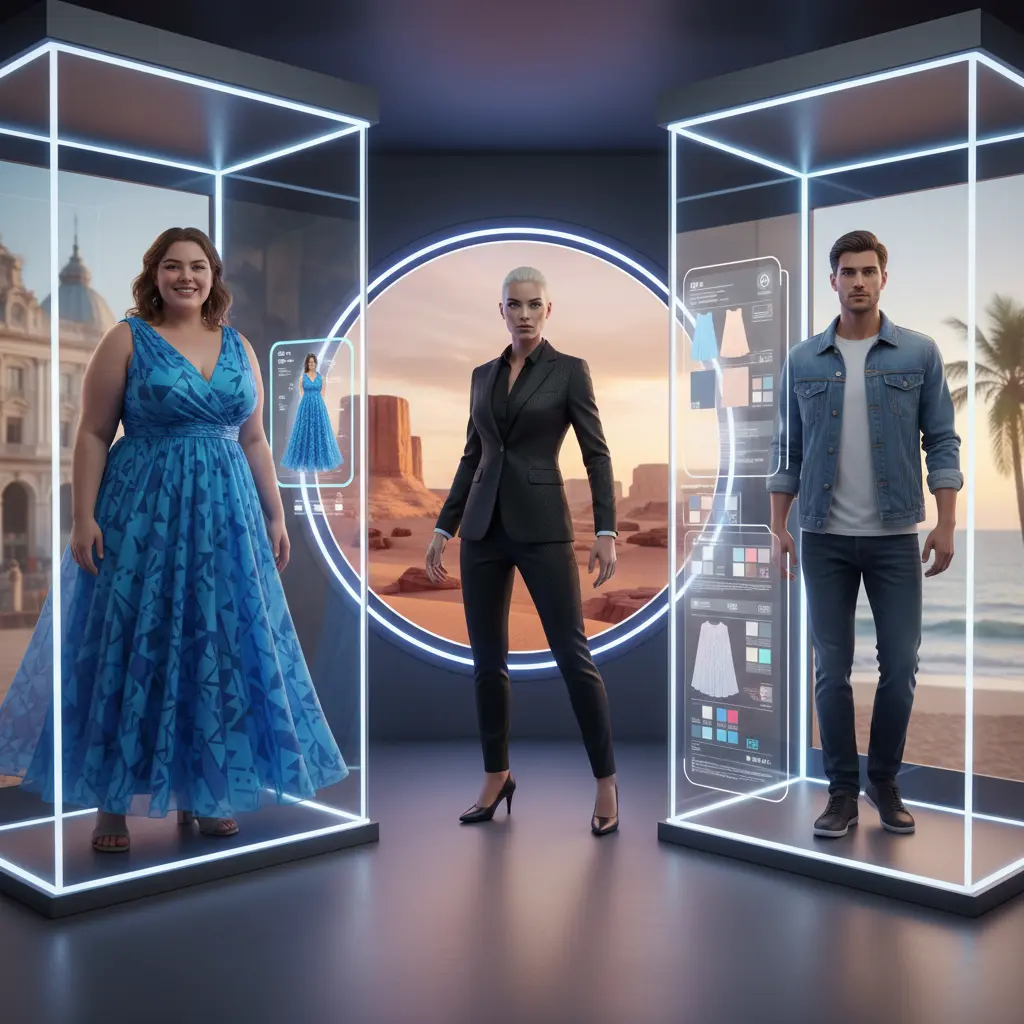
Virtual try-on, especially with AI platforms, offers a dramatically more cost-effective solution for product visualization compared to traditional photoshoots. Brands can generate thousands of unique lifestyle images and try-on experiences for a fraction of the cost and time.
Traditional photoshoots involve significant expenses, from models and photographers to studio rentals and post-production. AI-powered virtual apparel generation, such as that offered by My UGC Studio, eliminates many of these overheads.
The direct cost savings
Direct cost savings from virtual try-on primarily come from eliminating expenditures on models, photographers, stylists, studio rentals, travel, and extensive post-production editing. A single AI-generated image can cost pennies compared to hundreds or thousands for a traditional photoshoot image.
It save time and resources
Virtual try-on saves time and resources by drastically reducing the lead time for new product launches and marketing campaigns. Instead of waiting weeks for photoshoots and edits, brands can generate high-quality visuals in minutes, allowing for faster market entry and more agile creative testing.
| Factor | Traditional Photoshoot | AI Virtual Try-On (My UGC Studio) |
|---|---|---|
| Cost per Image | $100 - $1000+ | $0.10 - $1.00 |
| Time to Generate | Weeks (planning, shoot, editing) | Minutes to Hours |
| Model Diversity | Limited by budget/availability | Unlimited AI models & poses |
| Location Variety | Limited by logistics | Infinite virtual backgrounds |
| Scalability | Low, high variable costs | High, low marginal costs |
To Choose the Right Virtual Try-On Solution
Choosing the right virtual try-on solution involves evaluating factors such as realism, ease of integration, scalability, cost-effectiveness, and the diversity of AI models offered. The ideal solution aligns with your brand's specific needs and technical capabilities.
Features should brands prioritize
Brands should prioritize features like realistic fabric simulation, diverse model representation, intuitive user interface, compatibility with existing e-commerce platforms (e.g., Shopify), and robust analytics for tracking engagement and conversions. Seamless product upload and generation, as offered by dedicated AI UGC generators, are also crucial.
To evaluate scalability and integration
Evaluate scalability by assessing the platform's capacity to handle a growing product catalog and increased user demand without performance degradation or prohibitive costs. Integration should be straightforward, ideally with APIs or direct plugins for popular e-commerce platforms, to avoid complex development work.
Model diversity crucial
Model diversity is crucial for virtual try-on because it allows brands to appeal to a wider audience and better represent their customer base. Offering various body types, skin tones, and poses ensures that customers can visualize themselves accurately, fostering inclusivity and stronger connection.
Brands Implement Virtual Try-On Technology
Implementing virtual try-on involves a structured process that begins with product data preparation and culminates in seamless integration into your online store. Following a clear guide ensures a smooth rollout and maximizes the benefits of the technology.

The initial setup process
The initial setup process typically involves signing up for an AI virtual apparel platform, linking your e-commerce store, and preparing your product inventory for digital conversion. This often means organizing product photos, size charts, and fabric descriptions.
To prepare product images for AI generation
To prepare product images for AI generation, ensure they are high-resolution, clear, and feature the garment on a plain background or as a flat lay. Platforms like My UGC Studio's Virtual Apparel mode are designed to work efficiently with standard product photography, transforming them into lifestyle images with models.
Brands integrate virtual try-on into their Shopify store
Integrating virtual try-on into your Shopify store usually involves installing a dedicated app or embedding code snippets provided by the VTO solution. This allows the virtual try-on functionality to appear directly on product pages, offering a seamless experience for your customers. For scaling your Shopify brand with AI, seamless integration is key.
- Choose a Platform: Select an AI virtual apparel generator like My UGC Studio that specializes in fashion and integrates with your e-commerce platform.
- Upload Product Images: Provide high-quality, clear images of your clothing items (e.g., flat lays or ghost mannequins).
- Configure AI Settings: Specify model demographics, poses, backgrounds, and specific apparel details to guide the AI generation.
- Generate Virtual Visuals: The AI processes your input to create realistic model-based lifestyle images or interactive try-on experiences.
- Integrate with Store: Embed the generated content or use a plugin to display virtual try-on options directly on your product pages.
- Monitor & Optimize: Track engagement, conversion rates, and return data to refine your virtual try-on strategy and improve ROI.
Brands Measure the ROI of Virtual Try-On Technology
Measuring the ROI of virtual try-on technology requires tracking key performance indicators such as conversion rates, average order value, return rates, and customer engagement metrics. A clear understanding of these metrics demonstrates the tangible impact of your investment.
Metrics indicate success
Success metrics for virtual try-on include a measurable increase in conversion rates for products featuring VTO, a reduction in returns, longer time spent on product pages, and positive customer feedback regarding the try-on experience. These metrics collectively paint a picture of overall effectiveness.
To track return reduction and conversion lift
To track return reduction, compare the return rates of products with virtual try-on enabled against those without, or against historical data for the same products before VTO implementation. Conversion lift can be tracked by A/B testing product pages with and without VTO, or by segmenting analytics data for users who interacted with the feature. This directly contributes to reducing customer acquisition cost.
The Future Trends in AI Virtual Apparel
Future trends in AI virtual apparel include even more sophisticated realism, hyper-personalized avatars, seamless integration with augmented reality (AR) and virtual reality (VR) shopping environments, and the expansion into meta-commerce. The technology will continue to blur the lines between physical and digital shopping.
's next for hyper-realistic avatars
Next for hyper-realistic avatars is the development of ultra-detailed, customizable digital representations that can mimic individual body scans with unparalleled accuracy, including dynamic hair, skin textures, and even facial expressions. This will enable a truly bespoke virtual fitting experience.
AR/VR evolve virtual try-on
AR/VR will evolve virtual try-on by creating fully immersive shopping experiences where customers can navigate virtual showrooms, interact with 3D garments in their own space via AR, or 'step into' a virtual fitting room in VR. This will make online apparel shopping feel almost indistinguishable from in-store experiences.
Case Studies: Brands Excelling with Virtual Try-On
Brands excelling with virtual try-on consistently report significant improvements in customer engagement, conversion rates, and a notable decrease in product returns. These success stories highlight the transformative power of AI-driven apparel visualization.
Some examples of improved customer experience with virtual try-on
Examples of improved customer experience include shoppers spending more time on product pages, sharing their virtual try-on results on social media, and expressing higher satisfaction with their purchases. Brands like Warby Parker (for glasses) and L'Oreal (for makeup) pioneered similar virtual experiences, setting a precedent for apparel.
Some examples of significant sales growth due to virtual try-on
Significant sales growth examples often show a direct correlation between the implementation of virtual try-on and an uplift in conversion rates, sometimes by as much as 20-30%. This growth is driven by increased purchase confidence and a more engaging customer journey, contributing to overall e-commerce success.