Why Cultural Context Matters in Ecommerce Visuals
Expanding into new international markets demands more than just translating text. Visual content significantly influences consumer perception and purchasing decisions. An image performing well in North America might not connect in Southeast Asia or Latin America due to differing aesthetics, lifestyles, and social norms. When customers encounter a product presented in a familiar and relevant context, their trust increases, and buying hesitation decreases. This direct connection impacts conversion rates, reduces product returns, and cultivates brand loyalty. Localized images signal that a brand understands its target audience, moving beyond a universal visual approach for global commerce. AI offers a scalable method to achieve this level of visual specificity without the high costs and logistical complexities associated with traditional photoshoots across multiple regions.
Adapting Product Imagery for Key Global Markets
Each major global market exhibits distinct visual preferences. Recognizing these nuances helps tailor product imagery for maximum impact, moving past generic visuals that often fail to connect. AI tools integrate these specific aesthetics directly into product visuals.
North America & Europe: Authenticity and Lifestyle
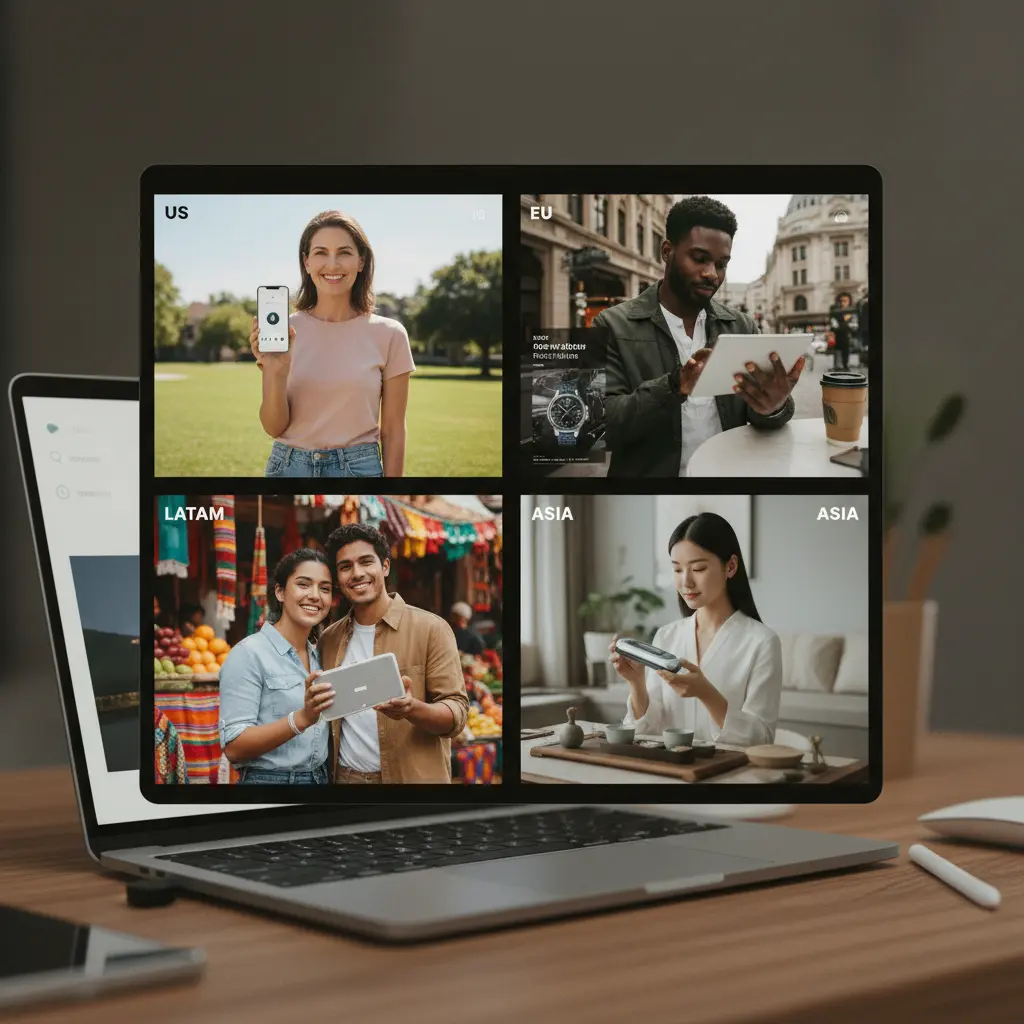
In the US and many European markets, consumers often respond to authentic, relatable lifestyle imagery. Products are frequently shown in natural settings, emphasizing real-world usage and diverse representation. For example, a furniture brand might display a sofa in a modern apartment, suggesting comfort and everyday living, often with models reflecting the local population. Simplicity, clarity, and a focus on how the product integrates into daily life are essential.
Latin America: Vibrancy and Community
Latin American markets generally appreciate visuals conveying warmth, vibrancy, and a strong sense of community. Imagery can feature brighter colors, lively environments, and group interactions. Products like consumer goods or fashion items might appear in festive or family-oriented settings, with models representing the region's diverse demographics. Energy and emotional connection through visuals typically perform strongly here.
Asia: Detail, Aspiration, and Trust
Across various Asian markets, emphasis often falls on product detail, perceived quality, and aspirational elements. In countries like Japan, meticulous presentation and clean aesthetics are highly valued. In China, visuals might convey luxury, social status, or advanced technology, frequently featuring influencers or highly polished settings. Showcasing the product's craftsmanship, functional benefits, and brand reputation through polished, high-fidelity images builds trust. User-generated content (UGC) with a local feel can also be highly effective, demonstrating genuine approval within the community.
AI Streamlines Visual Localization
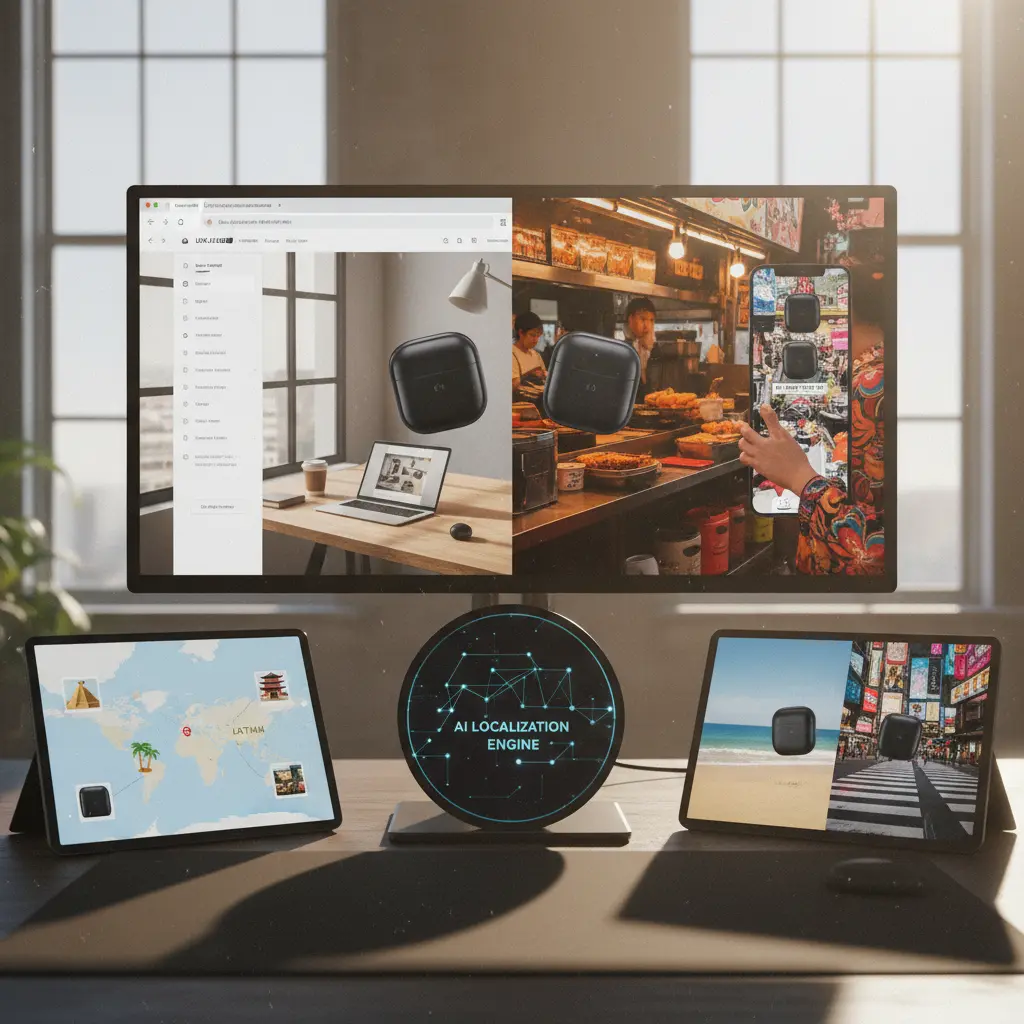
Traditional visual localization is time-consuming and expensive, involving multiple photoshoots, diverse models, local props, and complex logistics, quickly straining budgets. AI transforms this process by enabling rapid, on-demand visual creation. Brands can upload a single product photo and instantly generate variations tailored to specific markets. This means replacing backgrounds with culturally appropriate scenes, swapping models for locally representative faces, or adding relevant props without ever leaving the studio. For ecommerce businesses, this dramatically reduces costs and accelerates time to market for new products or market expansions. It broadens access to high-quality, localized content, allowing even smaller brands to compete effectively on a global scale. This efficiency is crucial for managing extensive product catalogs and agile marketing campaigns. Explore how AI enhances ecommerce visuals further in our guide on AI for Ecommerce Visuals.
Practical AI Techniques for Image Customization
Leveraging AI for localization goes beyond simple background changes. It involves sophisticated adjustments that speak directly to specific consumer preferences in different regions.
Diverse Models and Representation
One of the most impactful applications of AI in localization is generating models that reflect specific demographics. Instead of generic faces, AI can create individuals aligning with the ethnic diversity, age groups, and fashion styles prevalent in a target market. For instance, a beauty brand can showcase its product used by models with varying skin tones or hair types appropriate for a particular region. This immediate visual connection helps consumers envision themselves using the product, boosting relevance and appeal. Tools at My UGC Studio allow for selecting various model types to match global market needs, making your UGC creatives more targeted.
Contextual Backgrounds and Scenes
The environment surrounding a product heavily influences its perceived value and relevance. AI can instantly place a product into virtual backgrounds that resonate locally. A kitchen appliance, for example, could appear in a sleek, modern European kitchen or a more traditional, vibrant Latin American home. These AI-generated scenes mimic local architecture, interior design trends, or popular outdoor settings. This contextual relevance makes the product feel like a natural fit for the consumer's world, whether it is for a Shopify product listing or an Amazon storefront. Read more about Shopify image optimization.
Culturally Relevant Props and Textures
Subtle details in props and textures also contribute significantly to localization. AI can introduce culturally relevant items into an image, such as specific textiles, food items, or decor accents. Imagine a skincare product displayed with a traditional tea set for an Asian market, or alongside a natural, handcrafted wooden tray for a Scandinavian audience. These small additions create a strong sense of place and familiarity, adding depth to the localized visual narrative. This level of detail ensures every element in the image supports the overall localized message, particularly for marketplace listings, as highlighted in our Amazon listing optimization guide.
Integrating Localized Visuals Across Sales Channels
Effective localization means deploying these tailored visuals strategically across all relevant sales channels. Each platform carries its own requirements and audience expectations, necessitating a thoughtful approach to visual asset management. For a Shopify store, localized images integrate directly into product pages, hero banners, and lifestyle sections, often managed through apps that support multiple languages and regions. Marketplaces like Amazon and eBay require specific image dimensions and frequently benefit from localized A+ Content or enhanced brand content featuring relevant models and settings. Social media platforms such as TikTok, Instagram Reels, and YouTube Shorts thrive on authentic, localized UGC-style videos and images capturing regional trends and cultural nuances. Generating new creatives is simple at My UGC Studio; you can turn a static photo into a viral video for TikTok or Reels with a single click, as detailed in our guide on image-to-video workflows. Email marketing campaigns, display ads, and retargeting efforts also see improved performance when visuals adjust to the target audience's locale, directly influencing click-through rates and conversions.
Real-World Scenarios: AI in Action for Global Products
Applying AI to specific ecommerce challenges yields tangible benefits. Here are practical examples:
-
Shopify Product Page Refresh for US Market (Apparel Brand)
- Situation: An apparel brand wants to update its product pages for a new dress collection on its US Shopify store, seeking fresh, aspirational content.
- Creative Approach: Use AI to place the dresses on models reflecting American body types and styles, set against urban chic or natural outdoor backgrounds. Focus on lifestyle shots conveying freedom and confidence.
- Alternative Option: Showcase the product on a diverse set of models within a home or casual setting.
- What to Avoid: Overly formal studio shots or backgrounds feeling generic or culturally ambiguous. Avoid models not reflecting the target consumer base.
- Explanation: US consumers often prefer relatable, aspirational lifestyle imagery demonstrating how clothing fits into everyday life. AI generates these scenes quickly.
-
Amazon Listing Image Update for EU Market (Consumer Electronics)
- Situation: A gadget manufacturer needs to enhance its Amazon listing images for a new smart home device targeting Germany, France, and Italy.
- Creative Approach: Employ AI to render the device in clean, minimalist European home interiors, with diverse models showcasing its intuitive use. Emphasize functional benefits and sleek design.
- Alternative Option: Display the product within a modern, technologically advanced smart home setup, focusing on connectivity.
- What to Avoid: Cluttered backgrounds or models appearing overtly American or East Asian, which might not resonate with European aesthetics.
- Explanation: European consumers value design, practicality, and often minimalist aesthetics. Diverse, regional-appropriate models build trust.
-
eBay Listing Revamp for LATAM Market (Handcrafted Jewelry)
- Situation: A small business selling handcrafted jewelry on eBay wants to expand sales in Mexico and Brazil.
- Creative Approach: Utilize AI to create vivid product shots with models exhibiting diverse Latin American features, set against warm, vibrant, culturally inspired backdrops. Show the jewelry in social, celebratory contexts.
- Alternative Option: Focus on intricate detail shots with rich, textured backgrounds evoking traditional craftsmanship.
- What to Avoid: Exclusively plain white backgrounds or models with aesthetics feeling distant from local communities.
- Explanation: Latin American markets respond well to vibrant imagery, community connection, and authentic local representation.
-
TikTok Short-Form Ad Test for Japan (Beauty Product)
- Situation: A new beauty serum is launching on TikTok in Japan, requiring engaging, short-form video creatives.
- Creative Approach: Use AI to generate UGC-style video clips featuring Japanese-appearing models with clear, radiant skin, using the product in a clean, aesthetic, and aspirational setting. Focus on product texture and glowing results.
- Alternative Option: Create dynamic before-and-after visuals using AI-generated model transformations.
- What to Avoid: Overly dramatic or aggressive marketing visuals; Japanese consumers often prefer subtle, elegant, and trustworthy messaging.
- Explanation: The Japanese market values quality, meticulous detail, and aspirational beauty standards often conveyed through clean visuals and relatable models.
-
Pinterest Creative Batch for France (Home Decor)
- Situation: A home decor brand needs a batch of appealing Pinterest visuals for its French audience.
- Creative Approach: Employ AI to generate lifestyle images of decor items in stylish, sophisticated French-inspired interiors, perhaps featuring classic architecture or elegant textures. Emphasize chic, understated luxury.
- Alternative Option: Showcase the decor in a minimalist, Scandinavian-influenced setting, highlighting simplicity and functionality.
- What to Avoid: Bright, overly casual, or overtly American 'farmhouse' style visuals that would clash with French decor sensibilities.
- Explanation: French consumers often appreciate elegance, timeless design, and a refined aesthetic in home decor.
-
Localization Rollout for India (Packaged Food Item)
- Situation: A packaged snack food brand is entering the Indian market, requiring culturally appropriate packaging and marketing visuals.
- Creative Approach: Use AI to show the product being enjoyed in family settings, perhaps during a festive occasion, with models reflecting Indian demographics. Include vibrant colors and traditional elements if suitable.
- Alternative Option: Feature the product as part of a healthy lifestyle choice, using modern urban Indian settings.
- What to Avoid: Imagery depicting individual consumption or settings lacking a sense of community or traditional warmth.
- Explanation: Food consumption in India often associates with family, community, and cultural celebrations, making relatable visuals crucial.
Measuring Impact and Refining Global Visual Strategy
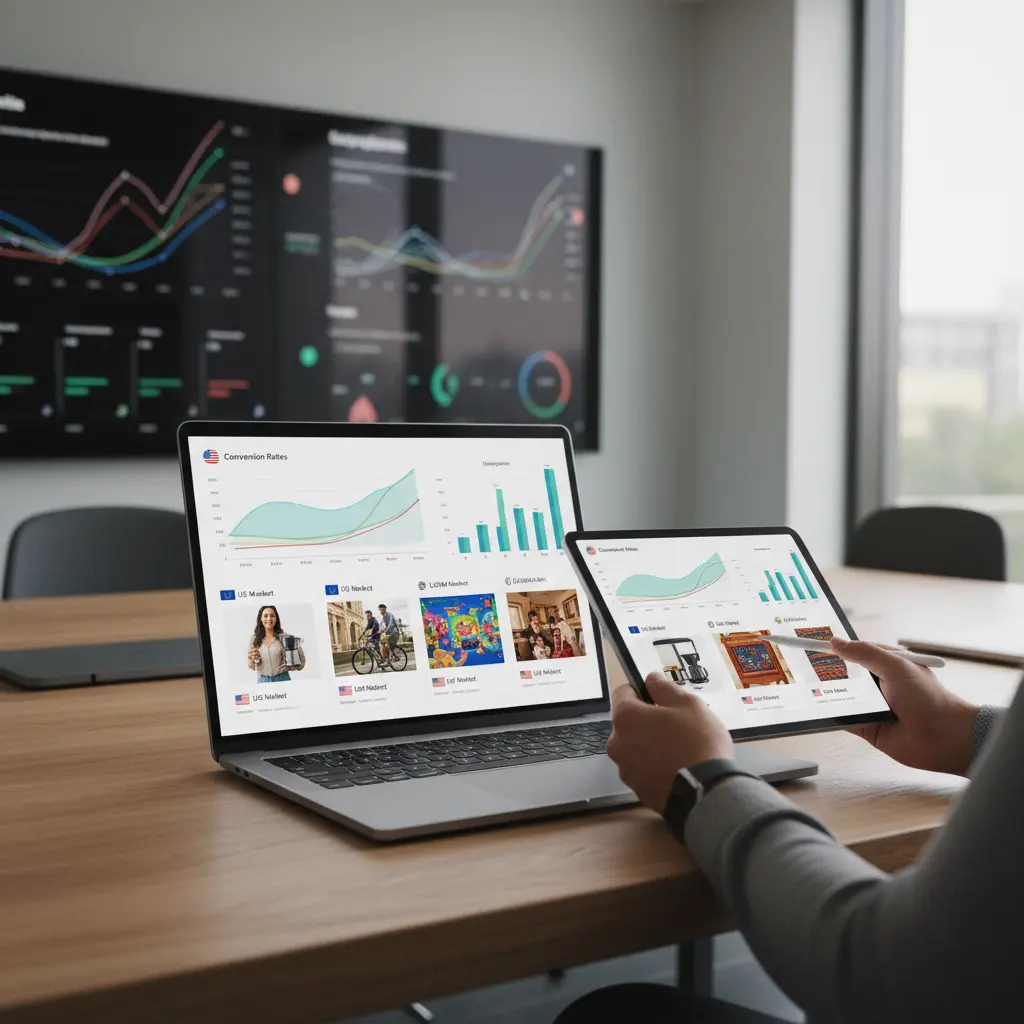
Once localized visuals are live, tracking their performance becomes essential for continuous improvement. The aim is to identify what resonates most effectively within each specific market segment. Key metrics to monitor include conversion rates, click-through rates (CTR) on ads and product pages, time spent on page, and bounce rates. Analyzing A/B test results between localized and non-localized versions of imagery provides direct evidence of impact. For example, testing an image featuring a European model and background against a generic one for a German audience will reveal which performs better. Customer feedback, both direct and through sentiment analysis of reviews, also offers valuable qualitative insights. This data helps refine AI prompts, guiding future image generation to better align with local preferences. Iterative testing and optimization cycles ensure visual content remains effective and relevant as market trends evolve. This systematic approach transforms visual content into a powerful conversion tool. While AI mitigates many hurdles, cultural nuances can still be subtle; human oversight and strategic input are vital to avoid biases or misinterpretations, ensuring compliant and culturally sensitive visuals.
Strategic Steps for Expanding Visuals Globally
Expanding an ecommerce brand globally requires a coherent strategy for visual content. This involves more than simply translating words; it demands a deep understanding of how images communicate across cultures. Here is a clear approach:
- Market Research: Before generating any visuals, research the target market's cultural values, aesthetic preferences, and competitor strategies. Understand what visual cues resonate locally.
- Utilize AI Tools: Select an AI platform that supports robust image generation with localization capabilities, offering diverse model types, scene options, and prop integration. Explore our pricing plans to understand how much visual content you can generate.
- Develop Localization Presets: Create specific AI prompts or use platform presets tailored for each target region (e.g., US, Europe, Latin America, Asia). These presets should guide the AI in generating relevant backgrounds, models, and props.
- Generate Batch Content: For large product catalogs, use AI to create batches of localized images, saving significant time and resources compared to traditional photoshoots.
- Integrate Across Channels: Distribute these localized visuals across all relevant ecommerce channels, including your website, marketplaces, social media, and ad campaigns.
- A/B Test and Optimize: Continuously test different localized visuals against each other and monitor performance metrics. Use insights to refine your AI prompts and content strategy, ensuring ongoing relevance and effectiveness. For more strategies, visit our blog.
Market-Specific Visual Guide
Tailoring visuals to specific market needs is where AI truly shines, offering granular control over image attributes. This table highlights key considerations:
| Market Region | Visual Adaptation (AI-Generated) | What to Avoid |
|---|---|---|
| North America (US/Canada) | Diverse, authentic models; lifestyle settings (home, outdoors); clear product use. | Overly staged studio shots; single demographic representation. |
| Western Europe (UK, Germany, France) | Diverse, sophisticated models; minimalist or elegant settings; quality focus. | Flashy, over-the-top visuals; culturally ambiguous backgrounds. |
| Southern Europe (Italy, Spain) | Warm, inviting scenes; social interaction (if applicable); emphasis on craftsmanship. | Cold, clinical aesthetics; lack of human connection. |
| Latin America (Mexico, Brazil) | Vibrant colors; lively community settings; energetic models; family focus. | Dull, muted palettes; isolated product shots without context. |
| East Asia (Japan, South Korea) | Clean, high-quality, aspirational; attention to detail; elegant or trendy models. | Messy visuals; cheap aesthetics; overly aggressive sales messaging. |
| Southeast Asia (Indonesia, Thailand) | Youthful, modern, often vibrant; community interaction; mobile-friendly formats. | Outdated imagery; models that don't reflect local youth trends. |
| Middle East | Modest, high-quality, aspirational; emphasis on luxury and family; culturally sensitive settings. | Revealing clothing; non-modest poses; culturally inappropriate props. |
| Oceania (Australia, New Zealand) | Outdoor, healthy lifestyle; natural light; diverse, active models. | Urban-only settings; overly formal or corporate imagery. |