Why Static Images Are No Longer Enough
The ecommerce landscape has evolved beyond galleries of still product shots. The ecommerce landscape has evolved beyond galleries of still product shots. Platforms like TikTok, Instagram Reels, and even traditional product pages now prioritize motion content. Consumers scroll past static images quickly, demanding more immersive experiences that convey product benefits and usage scenarios in real-time. Brands that rely solely on images risk lower engagement rates and reduced dwell time. Video provides an immediate sense of scale, texture, and function that a still photo cannot fully replicate. For instance, a clothing brand can showcase fabric drape and movement, or an electronics seller can demonstrate interface fluidity. This shift is not just about aesthetics; it directly impacts conversion funnels, particularly for new product launches or highly competitive categories. Maintaining a competitive edge requires a proactive approach to video content production, integrating it seamlessly into existing visual asset pipelines.
Understanding Video Needs Across Ecommerce Channels
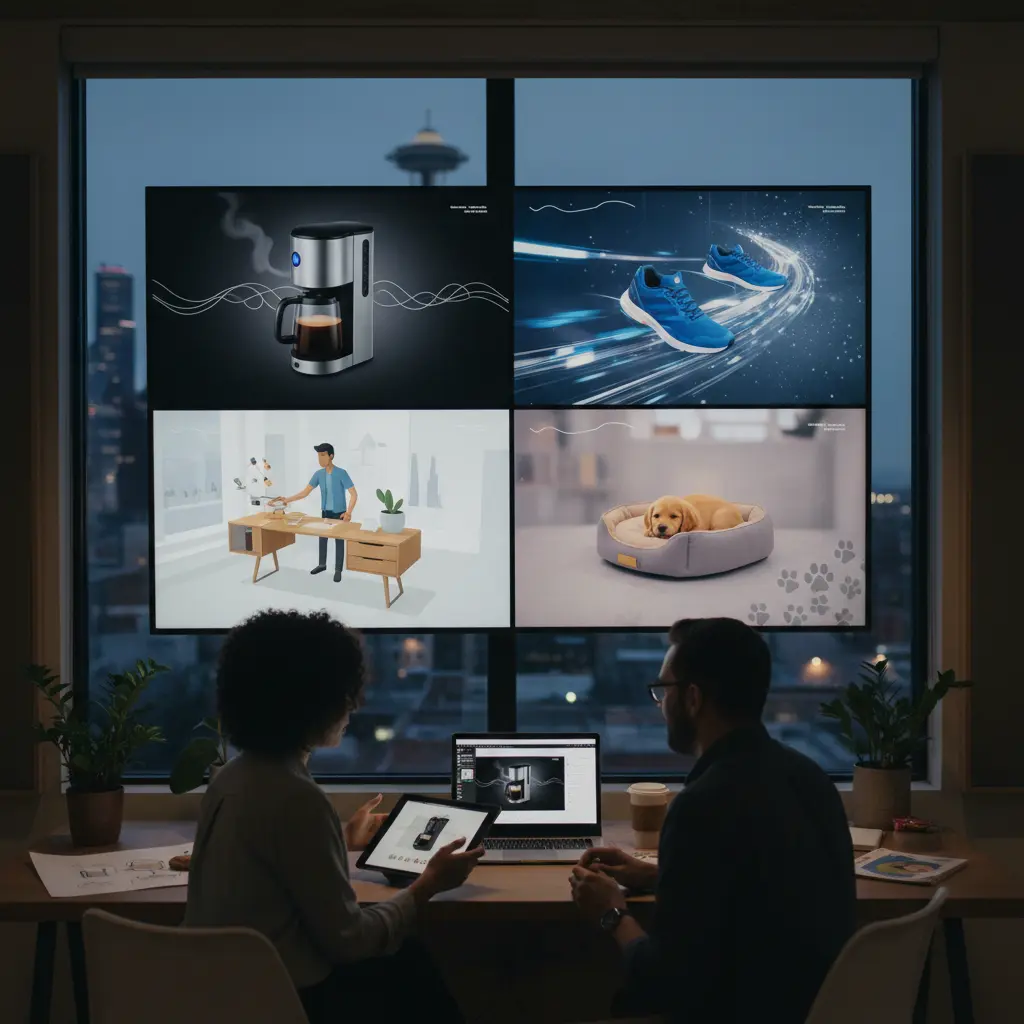
Different platforms demand specific video formats and content styles. Different platforms demand specific video formats and content styles. A TikTok ad requires fast cuts, trending audio, and authentic, often UGC-style presentation to resonate with its audience. In contrast, a video on an Amazon product listing should be clear, informative, and focused on demonstrating features or answering common buyer questions. Shopify product pages benefit from high-quality, professional videos that enhance brand perception and build trust. Understanding these channel-specific nuances prevents wasted effort and ensures content is optimized for impact. For example, a makeup tutorial video is ideal for Instagram Reels, while a detailed assembly guide suits a YouTube Shorts format linked from a PDP. Each channel serves a distinct purpose in the customer journey, from discovery to conversion, and video content must align with that intent.
Short-Form Video for Social Commerce
Platforms like TikTok and Instagram Reels thrive on short, impactful videos. Platforms like TikTok and Instagram Reels thrive on short, impactful videos. For ecommerce, this means rapid demonstrations, quick unboxings, or creative hooks designed to stop the scroll. The goal is to generate immediate interest and direct traffic to product pages. These videos often benefit from a raw, authentic feel, mimicking user-generated content even when professionally produced. Consider a skincare brand creating a 15-second "day in the life" video featuring their product, using popular sound clips and fast transitions to maintain viewer engagement. This approach prioritizes virality and shareability, expanding reach beyond paid promotion.
For more on TikTok strategy, explore our guide on TikTok Shop UGC Ads: Product Video Creative Strategy.
Product Detail Page Videos
On a Shopify store or other direct-to-consumer sites, PDP videos provide deeper product context. On a Shopify store or other direct-to-consumer sites, PDP videos provide deeper product context. These are typically longer, more polished, and focus on details like material quality, functionality, and sizing. A video demonstrating how a modular furniture piece can be reconfigured or highlighting the distinct features of a new electronic gadget directly addresses potential buyer questions, reducing returns and increasing conversion rates. Placement near the product images or within the description helps inform purchasing decisions at a critical stage.
Key Stages in the Image-to-Video Workflow
Converting static images into compelling video involves a structured process, especially when leveraging AI tools. Converting static images into compelling video involves a structured process, especially when leveraging AI tools. The initial step always involves selecting high-quality source images. Clear, well-lit photos with good resolution are fundamental. These images then feed into an AI-powered video creation platform, where users define animation styles, camera movements, text overlays, and background music. The key is to iterate, experimenting with different video durations and visual effects to find what resonates best with the target audience. Finally, the generated video is reviewed, optimized for specific platforms, and published. This workflow prioritizes efficiency and scalability, allowing ecommerce teams to produce a high volume of diverse video assets without extensive manual editing or expensive studio shoots.
- Image Selection and Preparation: Choose high-resolution, clear product photos. Ensure consistent lighting and a clean background for optimal results. For apparel, select images that highlight fabric texture or fit.
- AI Video Generation: Upload selected images to a platform like My UGC Studio. Utilize AI features to add motion, transitions, text, and sound effects. Experiment with various templates or custom settings.
- Customization and Enhancement: Refine the AI-generated video. Adjust timing, add brand-specific graphics, or incorporate voiceovers if needed. This step often involves minor edits to ensure brand consistency.
- Platform-Specific Optimization: Export videos in appropriate aspect ratios and resolutions for each target channel (e.g., 9:16 for TikTok, 1:1 for Instagram, 16:9 for YouTube or PDP). Add relevant hashtags or captions.
- Performance Analysis: Track key metrics like view-through rate, click-through rate, and conversion impact. Use data to inform future video creative decisions and refine the workflow.
Tools and Technologies for AI-Powered Video Creation
Modern ecommerce teams no longer need specialized video editors or complex software to produce engaging product videos. Modern ecommerce teams no longer need specialized video editors or complex software to produce engaging product videos. AI-powered tools streamline the process, allowing marketers to transform existing image libraries into dynamic content with minimal effort. These platforms leverage machine learning to analyze product features, suggest appropriate animations, and even generate voiceovers or background music. For example, a tool might automatically apply subtle zoom and pan effects to highlight product details or animate text overlays to emphasize key selling points. The efficiency gained allows brands to scale their video output dramatically, testing more creatives and responding faster to market trends. This capability democratizes video production, making it accessible even for small businesses or dropshippers who previously lacked the resources for traditional video shoots. My UGC Studio, for instance, offers a simple button to turn static photos into viral videos for TikTok or Reels, requiring just 5 credits per video. To learn more, visit My UGC Studio.
Understanding cost implications is vital; compare AI-powered solutions with traditional methods in our AI Product Photography Costs guide.
Real-World Scenarios for Video Deployment
Real-World Scenarios for Video Deployment.
- Situation: Shopify Product Page Refresh for a Home Goods Brand. A new line of artisanal ceramics needs updated visuals.
Creative Approach: Use existing high-quality product photos to generate a smooth, looping video showcasing different angles and textures of each ceramic piece. Include subtle movement to highlight glaze details.
Alternative Option: Create separate lifestyle images featuring the ceramics in home settings.
What to Avoid: A generic slideshow video with jarring transitions that detract from the product's craftsmanship.
Explanation: A well-produced PDP video builds trust and conveys premium quality, directly influencing purchase decisions for considered purchases. - Situation: Amazon Listing Image Update for an Electronics Gadget. An existing product listing with only static images sees declining conversion rates.
Creative Approach: Convert key feature images into short, animated clips demonstrating the gadget's functionality (e.g., screen turning on, ports being used). Combine these into a concise video for the secondary image carousel.
Alternative Option: Invest in a full product demo video requiring a videographer.
What to Avoid: Overly long videos or those with distracting background music that clash with Amazon's minimalist interface.
Explanation: Video on Amazon helps differentiate a product, especially in competitive categories, by quickly communicating value propositions. For more, see Amazon Listing Images with AI. - Situation: eBay Listing Revamp without a Photoshoot for a Vintage Apparel Seller. A seller of unique vintage clothing has limited resources for new photography.
Creative Approach: Take existing flat lay photos and use AI to create subtle animations, like a gentle ripple effect on fabric or a slow pan across garment details. This adds movement and a premium feel.
Alternative Option: Continue using static images, potentially losing out on buyer engagement.
What to Avoid: Complex animations that make the garment appear unrealistic or alter its vintage aesthetic.
Explanation: Even simple animations can make a listing stand out, especially in marketplaces where many sellers use basic photography. - Situation: TikTok Short-Form Ad Test for a New Snack Product. Launching a new healthy snack bar and needing quick, engaging ad creatives.
Creative Approach: Generate UGC-style videos from product packaging and ingredient photos. Add kinetic text overlays showcasing benefits like "high protein" or "gluten-free" with trending audio.
Alternative Option: Hire TikTok creators for custom video content, which can be expensive and time-consuming.
What to Avoid: Highly polished, commercial-looking videos that feel out of place on TikTok's authentic feed.
Explanation: AI-generated UGC-style videos are cost-effective for rapid ad testing and resonate well with TikTok's audience, driving traffic to checkout. Find out more in Transforming Product Photos into High-Converting TikTok Video Ads. - Situation: Pinterest Creative Batch for a Fashion Catalog. A fashion brand wants to increase visibility and click-throughs for its latest collection on Pinterest.
Creative Approach: Turn model shots and product lookbook images into animated Pins (video Pins). Add subtle movement to clothing or accessories, creating a more dynamic visual experience as users scroll through their feed.
Alternative Option: Rely solely on static image Pins, which might blend into the feed.
What to Avoid: Videos that are too short to convey the full outfit or product details.
Explanation: Animated Pins on Pinterest stand out and capture user attention, driving higher engagement and saves for product discovery. For a deeper dive, read Pinterest Product Creative Workflow. - Situation: Localization Rollout for EU Market for a Cosmetics Brand. Expanding into Germany and France, requiring localized ad creatives.
Creative Approach: Take existing product videos and use AI to automatically translate and generate text overlays in German and French, applying culturally relevant fonts if possible.
Alternative Option: Manually recreate videos for each language, which is time-intensive and costly.
What to Avoid: Using generic English videos with machine-translated subtitles that don't fit the visual style or brand voice.
Explanation: Localized videos significantly improve ad performance by speaking directly to the target audience in their native language, enhancing relevance and conversion. Learn more about localizing ecommerce product creatives.
Optimizing Videos for Different Platforms
Tailoring video content for each distribution channel is critical for maximizing performance. Tailoring video content for each distribution channel is critical for maximizing performance. This involves more than just adjusting aspect ratios. On TikTok, short, attention-grabbing hooks and trending audio are paramount, encouraging immediate engagement and shares. For Instagram Reels, a more aesthetic or tutorial-based approach often performs well, focusing on visual appeal and practical tips. YouTube Shorts, while similar to TikTok in length, can benefit from slightly more informative content that leverages Google's search capabilities. When embedding videos on Shopify product pages, prioritize clarity, load speed, and direct product demonstrations. Amazon listing videos require succinctness and an emphasis on key features or benefits, often without sound, relying on clear visuals and text overlays. Each platform has its audience expectations and technical specifications that dictate optimal video length, resolution, and content style.

Measuring Success: KPIs for Product Videos
To understand the true impact of converting images to video, tracking relevant key performance indicators (KPIs) is essential. To understand the true impact of converting images to video, tracking relevant key performance indicators (KPIs) is essential. For social media ads, focus on metrics like view-through rate (VTR), click-through rate (CTR), and cost per acquisition (CPA). A high VTR indicates the video is engaging enough to hold attention, while CTR and CPA directly measure its effectiveness in driving traffic and sales. On product detail pages, monitor metrics such as conversion rate, bounce rate, and average time on page for visitors who interact with the video compared to those who do not. A lower bounce rate and higher conversion rate suggest the video is effectively informing and persuading customers. For branded content, look at engagement rates, shares, and comments. Regularly reviewing these metrics provides actionable insights, allowing ecommerce teams to refine their video strategy and content production over time. This data-driven approach moves beyond subjective creative judgments to quantifiable business impact.
"Data-driven insights from video performance are crucial for continuous improvement in ecommerce marketing."
Video Content Performance Metrics by Channel
The table below outlines common video content performance metrics, categorized by typical ecommerce channels, to guide your measurement strategy: The table below outlines common video content performance metrics, categorized by typical ecommerce channels, to guide your measurement strategy:
| Use Case/Channel | Primary Video Metrics | Secondary Metrics | Key Actionable Insight |
|---|---|---|---|
| Social Media Ads (TikTok, Reels) | View-Through Rate (VTR), Click-Through Rate (CTR), Cost Per Acquisition (CPA) | Engagement Rate, Shares, Saves | Optimize ad creatives for initial hook and clear call-to-action. Test different intros. |
| Product Detail Pages (Shopify) | Conversion Rate, Average Time on Page, Bounce Rate | Add-to-Cart Rate, Scroll Depth | Ensure video answers key product questions. Test placement and auto-play settings. |
| Amazon Product Listings | Video View Rate, Product Unit Session Percentage | Customer Questions Answered by Video, Return Rate | Focus on quick, informative demonstrations of features and benefits. Minimize length. |
| Pinterest (Video Pins) | Saves, Clicks to Website, Engagement Rate | Impressions, Repins | Create visually appealing, aspirational videos that inspire action and discovery. |
| Email Marketing (Embedded/Linked) | Click-Through Rate (CTR) to Video, Conversion from Email | Open Rate (if video indicated in subject) | Use compelling thumbnails and clear calls-to-action to watch the video. |
| YouTube Shorts (Organic/Ads) | Views, Audience Retention, Subscribers Gained | Traffic Source, Likes/Comments | Experiment with trending sounds and educational content. Encourage comments. |