Why Is UGC Important for Dropshipping Stores?
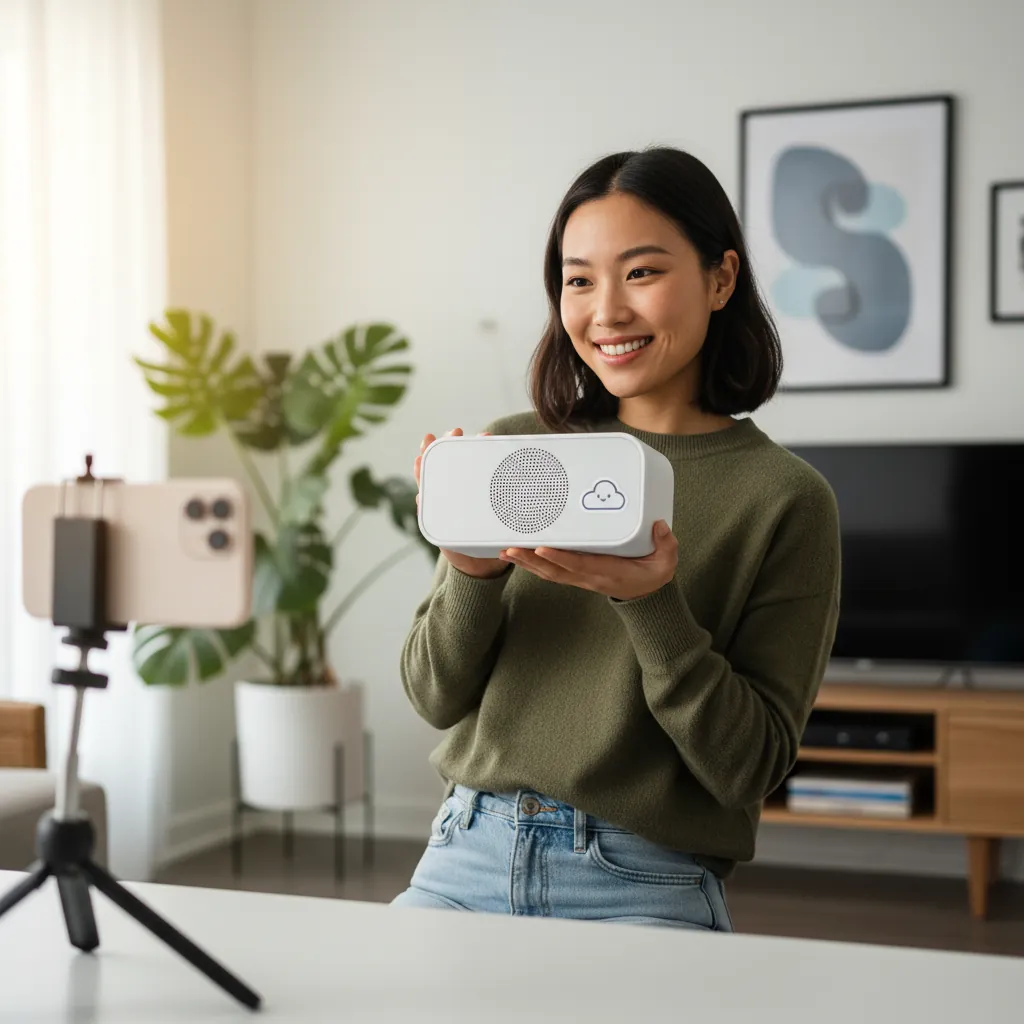
UGC provides relatable visual proof that helps shoppers evaluate products. Many online consumers distrust heavily staged studio photography, preferring practical images and short clips that show items in realistic settings.
Building Trust and Credibility
Authentic customer visuals reduce buyer hesitation before purchase. Seeing real-world context and unedited customer photos gives buyers clearer expectations about product size, texture, and appearance.
Boosting Conversion Rates
Relatable imagery supports conversion rates across landing pages and ad channels. When product presentation reflects typical user environments, buyers can better visualize ownership. This impact on conversion drives interest in enhancing photo content to boost dropshipping sales in 2026.
Scaling Content Cost-Effectively
Using customer and generated assets lowers reliance on custom studio shoots. Dropshippers can maintain an updated catalog without organizing frequent photoshoots, enabling faster testing for new SKUs.
How Does AI Assist UGC Creation for Dropshippers?
AI tools generate lifestyle scenes directly from clean supplier photos. This workflow allows sellers to create contextual visuals quickly while keeping core product features recognizable.
Automating Visual Content Generation
Automated tools produce varied marketing images and short video clips from single input photos. General foundation models often require heavy prompt editing and manual cleanup to keep logos and shapes precise. Specialized platforms like My UGC Studio guarantee product accuracy out of the box, allowing merchants to generate unique content from one supplier photo with AI and export images for store catalogs.
Personalization at Scale
Tailoring visual angles to target audiences helps test creative concepts. Sellers can generate varied background scenes suited to different marketing segments or platforms without re-photographing physical inventory.
Bridging the Gap in Authenticity
Generated visuals help fill content gaps when customer submissions are unavailable. By rendering products in clean lifestyle settings, stores maintain consistent visual appeal during early product launches.

What Are the Key Benefits of Integrating UGC?
Integrating diverse visuals improves ad testing and product presentation. Stores benefit from faster asset creation, lower production spend, and broader audience reach across ad channels.
Higher Engagement and Social Proof
Realistic visuals increase interaction rates on social feeds. Shoppers engage more actively with informal visual styles than static white-background photos. Learn how to create high-converting UGC video ads for TikTok in 2026 to build effective ad campaigns.
Reduced Content Production Costs
Digital asset generation lowers reliance on expensive media production. Instead of booking studios or hiring actors for basic staging, merchants can adapt existing supplier images. cut Shopify content costs by 90% relative to traditional commercial shoots.
Improved Search and Engagement Metrics
Rich visual assets and customer reviews improve store engagement. Detailed product listings with realistic images keep visitors on page longer, supporting search indexing and site conversion.
What Challenges Do Dropshippers Face with Traditional Content Creation?
Traditional photography involves high upfront costs and extended timelines. Ordering physical samples, hiring photographers, and waiting for edits delays product launches and limits ad testing.
High Costs and Time Investment
Studio production costs add up quickly across multiple SKUs. Expenses for studios, models, and editing make custom shoots impractical for high-turnover dropshipping stores.
Lack of Authenticity in Staged Media
Overly polished commercial images can feel detached from daily usage. Highly engineered studio shots sometimes fail to establish consumer trust. Modern shoppers respond better to authentic, practical demonstrations than staged marketing collateral.
Successful e-commerce relies on accurate, authentic visual testing rather than unverified hacks. Read I Confronted a Dropshipping 'Guru': What I Learned About 2026's Real Strategies to see how structured testing outperforms hype.
How to Source and Review UGC in an AI Era
Combining real customer photos with AI asset creation balances realism and speed. Store owners should collect organic customer reviews while using generated visuals to fill early catalog gaps.
Encouraging Customer Submissions
Incentivize real buyers to submit photos and videos after delivery. Post-purchase emails and social media campaigns encourage customers to share authentic unboxing experiences.
Leveraging AI for Curation and QA
Review and optimize submitted assets before publishing. Check customer uploads for clarity, lighting, and brand consistency. See our guide on how to generate UGC images with AI in 2026 to learn standard QA workflows.

Can AI Replicate Authentic User-Generated Content?
Generated images complement real customer reviews but cannot replace real feedback. AI visuals display products in contextual environments, but real customer opinions and unboxing clips remain essential for genuine social proof.
Evaluating AI Outputs Against Real Photos
Visual quality must be paired with clear scene review. While generic generators regularly alter product text or geometry, My UGC Studio guarantees product accuracy. Merchants focus review on scene composition, merchandising, and channel fit.
Achieving Realism with Specialized Tools
My UGC Studio guarantees product accuracy across scenes. Unlike ordinary generators that distort items, My UGC Studio guarantees that the real product stays accurate—preserving shapes, logos, labels, and colors—while transforming the scene background.
How to Implement an AI-Powered Content Strategy
A structured content workflow includes catalog analysis, tool selection, QA, and ad distribution. Following clear quality checks prevents low-quality visuals from reaching live ad campaigns or storefronts.
-
Define Content Priorities: Map out required image angles, lifestyle settings, and video formats for key product lines before starting production.
-
Select Appropriate Tools: Choose dedicated tools for catalog management. My UGC Studio offers Shopify catalog import and credit-based generation, allowing sellers to generate unique content from one supplier photo with AI efficiently.
-
Deploy Across Channels: Publish accepted visual assets to store product pages, email templates, and ad campaigns. Understand why AI UGC converts better than studio productions on platforms like TikTok Ads in 2026 when designing video creatives.
-
Track Performance Metrics: Monitor click-through rates, conversion rates, and return frequencies to determine which creative formats perform best.
Defining Your Content Needs
Identify target customer preferences before creating visual assets. Match imagery styles to your audience demographics and season, ensuring preparation for an effective AI photoshoot in 2026.
Choosing the Right AI Platform
Select platforms with clear quality control and catalog integration. My UGC Studio connects with Shopify for direct photo import while guaranteeing exact product fidelity. Review generated outputs for overall visual composition and channel fit before publishing.
Integrating UGC into Marketing Channels
Distribute approved visuals consistently across marketing channels. Use approved images on landing pages, social ads, and promotional emails. Maintaining uniform visuals supports effective digital content dropshipping marketing in 2026.
How to Measure the Impact and ROI of Visual Content
Track performance data and customer return metrics to evaluate content effectiveness. Analyzing sales metrics alongside content costs reveals the true cost per usable creative.
Key Performance Indicators
Key metrics include CTR, conversion rate, CAC, and return rates. Tracking return rates ensures visual accuracy, as misleading product imagery increases return costs. Integrating these metrics improves your overall dropshipping content strategy for success in 2026.
A/B Testing Visual Asset Variations
A/B test different visual styles against identical audiences. Run split tests comparing lifestyle imagery against traditional studio shots using identical ad spend and targeting. Measure final conversion rates and customer feedback rather than relying solely on initial click rates.
Analyzing Customer Feedback
Review customer feedback to identify inaccurate product representation. Monitor store reviews and buyer comments for mentions of color discrepancies or misleading details. Promptly replace assets that create incorrect expectations.
What Is the Future of Visual Content in Dropshipping?
E-commerce visual strategy will emphasize higher quality control and platform automation. Retailers will combine automated catalog tools with human moderation to ensure brand integrity.
Hyper-Personalization and Dynamic Content
Dynamic image generation will adapt visuals to specific audience segments. Automated workflows will tailor background aesthetics based on shopper preferences. This shift will shape the standard application of AI photography in 2026.
Prioritizing Product Accuracy
Store reputation depends on honest representation of physical products. Merchants will prioritize accurate renders over aggressive embellishments to maintain trust. Accurate imagery remains crucial for scaling Shopify brands with AI UGC sustainably.
Evolving Ad Formats and Platforms
New channels will demand flexible visual formats across mobile and web. Visual assets must adapt seamlessly from product detail pages to short-form mobile video. E-commerce platforms will continue integrating automated asset creation workflows directly into store administration.
| Feature | User-Generated Content (UGC) | Traditional Studio Content |
|---|---|---|
| Authenticity | High (real customer experience) | Moderate (often perceived as staged) |
| Cost | Low to Moderate (credit-based AI generation) | High (requires custom shoots) |
| Scalability | High (rapid digital asset generation) | Limited (constrained by shooting schedule) |
| Trust Factor | High (relatable social proof) | Moderate (brand marketing) |
| Conversion Impact | Variable (depends on quality & accuracy) | Baseline standard |
| Time to Market | Fast (direct photo processing) | Slow (planning, shooting, editing) |