Digital Content Dropshipping and Why is it Booming
Digital content dropshipping is a business model where an entrepreneur sells digital products (like ebooks, software, courses, or templates) without creating them or managing inventory. The entrepreneur acts as a reseller, marketing products created by others and earning a commission or markup on each sale, with direct delivery to the customer.
Defining Digital Content Dropshipping
Digital content dropshipping is precisely the act of reselling digital goods, where the seller facilitates the transaction and the original creator or licensor handles delivery. This eliminates the need for physical storage, shipping logistics, and manufacturing costs, focusing the entrepreneur's efforts solely on marketing and sales.
The Market Opportunity for 2026
The digital content market is experiencing explosive growth in 2026, driven by increased internet penetration, demand for remote learning, and the rise of the creator economy. This presents vast opportunities for dropshippers to tap into niches from educational materials to entertainment and productivity tools.
Key Advantages of This Model
The primary advantages include low startup costs, high-profit margins, no inventory risk, global reach, and immense scalability. Entrepreneurs can launch quickly, test various products, and operate from anywhere, making it a flexible and lucrative venture.
I Identify Profitable Digital Products for Dropshipping
Identifying profitable digital products for dropshipping requires thorough market research, trend analysis, and an understanding of specific audience needs. Look for evergreen niches with consistent demand, but also keep an eye on emerging trends that can offer quick wins.
Niche Research and Trend Analysis
Effective niche research involves analyzing search trends, social media discussions, and competitor offerings to uncover underserved markets. Tools like Google Trends, Ahrefs, and even TikTok analytics can reveal what consumers are actively searching for and engaging with, helping you pinpoint high-demand, low-competition areas.
Evergreen vs. Trending Products
Evergreen products, such as productivity templates or fitness guides, offer consistent, long-term revenue, while trending products capitalize on fleeting viral interests. A balanced portfolio often includes both, leveraging evergreen for stability and trends for rapid growth and market penetration.
Where to Source Digital Products
Digital products can be sourced from marketplaces like Creative Market, Envato Elements, Etsy, or directly from creators offering PLR (Private Label Rights) or reseller licenses. Ensure you thoroughly understand the licensing terms and distribution rights before committing to sell.
The Best Digital Content Dropshipping Examples
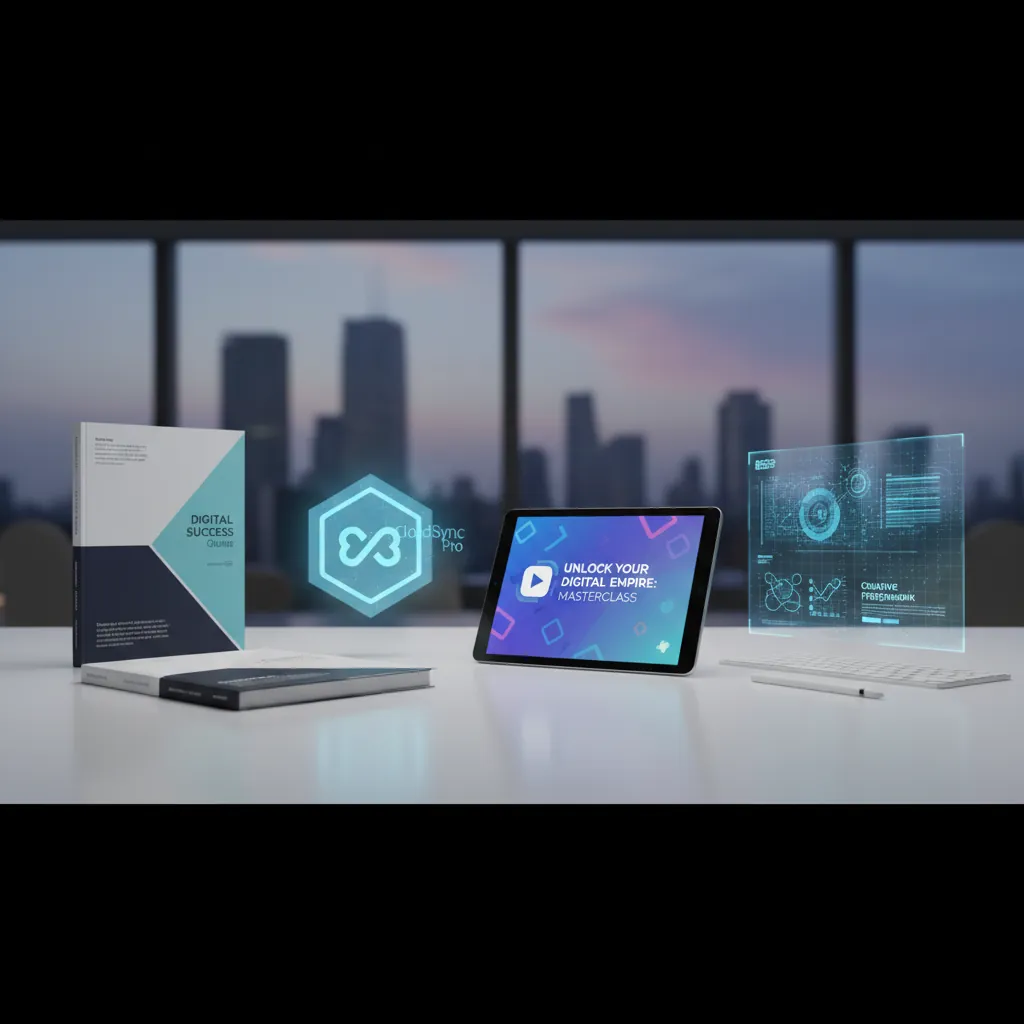
The best digital content dropshipping examples span a wide array of categories, including educational materials, software, templates, and creative assets. Each offers unique market appeal and monetization strategies.
| Digital Product Type | Target Audience | Key Benefit to Customer | Profit Potential (Relative) |
|---|---|---|---|
| Ebooks & Digital Guides | Learners, self-improvers, niche enthusiasts | Knowledge acquisition, problem-solving | Medium to High |
| Online Courses & Workshops | Professionals, skill developers, hobbyists | Skill development, certification, in-depth learning | High |
| Software Licenses & SaaS | Businesses, individuals seeking productivity tools | Efficiency, automation, specialized functionality | High (recurring) |
| Templates (Design, Resume, etc.) | Designers, job seekers, content creators | Time-saving, professional aesthetics | Medium |
| Digital Art & Stock Media | Content creators, marketers, artists | Visual assets, inspiration, licensing for projects | Medium |
| PLR Content | Marketers, bloggers, business owners | Content creation, branding, repurposing | Medium |
Ebooks and Digital Guides
Ebooks and digital guides are popular due to their low production cost and high perceived value, covering topics from business strategies to self-help. They're easily digestible and can be niche-specific, making them excellent candidates for targeted marketing.
Online Courses and Workshops
Online courses provide in-depth learning experiences on various subjects, appealing to individuals seeking skill development or personal growth. Selling access to pre-recorded courses or live workshop recordings allows for recurring revenue potential and higher price points.
Software Licenses and SaaS Subscriptions
Reselling software licenses or subscriptions to Software-as-a-Service (SaaS) tools targets businesses and individuals seeking productivity solutions. This can range from niche plugins to full-suite applications, often involving affiliate partnerships or reseller programs.
Templates and Digital Art
Design templates (e.g., for social media, resumes, websites) and digital art (e.g., stock photos, illustrations) cater to creators and professionals. These products save customers time and effort, offering instant utility and aesthetic value.
Stock Media and PLR Content
Stock media, including audio, video, and images, is invaluable for content creators, while PLR (Private Label Rights) content allows buyers to modify and claim authorship. Both offer high utility for specific B2B and B2C segments.
Key Marketing Strategies for Digital Content Dropshippers in 2026
Effective marketing for digital content dropshipping in 2026 hinges on a multi-channel approach that prioritizes value, trust, and targeted reach. Leveraging content marketing, social media, and paid advertising will be crucial.
Content Marketing & SEO for Digital Products
Creating valuable blog posts, guides, and tutorials around the problem your digital product solves is fundamental for SEO and attracting organic traffic. Optimize product descriptions with relevant keywords, and focus on providing solutions that resonate with your target audience. Learn more about mastering Gemini grounding for SEO articles to enhance your content's ranking.
Social Media & Influencer Marketing
Platforms like TikTok, Instagram, and YouTube are vital for showcasing digital products visually and engaging with potential customers. Partnering with micro-influencers can drive authentic interest, particularly for products that offer immediate visual benefits or transformations. Consider TikTok UGC ad best practices for viral growth.
Email Marketing Automation
Building an email list and implementing automated sequences for lead nurturing, product launches, and special offers is highly effective. This allows for direct communication and retargeting, significantly boosting conversion rates for digital goods.
Paid Advertising Tactics
Utilizing platforms like Google Ads, Facebook Ads, and Pinterest Ads with highly specific targeting can quickly drive traffic to your digital product listings. Focus on compelling ad creatives and clear calls to action to maximize ROI. For optimal visual content, explore how AI UGC converts better than studio productions.
AI Elevate Your Digital Content Dropshipping Marketing
AI can revolutionize digital content dropshipping marketing by automating content creation, personalizing customer experiences, and optimizing advertising efforts. It significantly enhances efficiency and effectiveness across the entire marketing funnel.
Automating Content Creation
AI tools can generate unique marketing copy, social media posts, blog outlines, and even visual assets at scale. This dramatically reduces the time and cost associated with creating diverse promotional materials for digital products. Platforms like My UGC Studio are designed to help dropshippers turn common supplier photos into unique content, even for digital product visuals.
Personalizing Customer Experiences
AI-driven analytics can segment audiences and deliver hyper-personalized product recommendations and marketing messages. This level of customization improves engagement and conversion rates by presenting digital content that precisely matches individual customer needs. Discover more about AI-powered content strategy for dropshipping success.
Optimizing Ad Creatives with AI
AI can analyze ad performance data to identify the most effective visual and textual elements, suggesting improvements for higher conversion rates. This allows for continuous optimization of campaigns, ensuring your marketing spend is used efficiently. Learn how to generate UGC images with AI for your digital product ads.

Platforms and Tools are Essential for Success
Essential platforms and tools for digital content dropshipping include robust e-commerce platforms, efficient content creation tools, and comprehensive marketing automation suites. These integrate to streamline operations and maximize reach.
E-commerce Platforms (e.g., Shopify)
Platforms like Shopify provide the backbone for your online store, offering easy setup, payment processing, and integrations for digital product delivery. They simplify the technical aspects, allowing you to focus on marketing and sales. Explore how to scale your Shopify brand with AI UGC.
Content Creation & Automation Tools
Tools such as My UGC Studio, Canva, and AI writing assistants are indispensable for creating high-quality marketing assets and automating content workflows. They enable quick generation of visuals, ad copy, and social media posts, saving significant time and resources. You can cut Shopify content costs by 90% with AI.
Marketing Automation Suites
Email service providers (ESPs) like Mailchimp or Klaviyo, combined with CRM systems, automate customer communication, segmentation, and personalized campaigns. These are crucial for nurturing leads and retaining customers, especially for recurring digital products like subscriptions.
I Handle Legalities and Licensing for Digital Products
Handling legalities and licensing for digital products requires meticulous attention to copyright, intellectual property, and specific resale agreements to avoid infringement. Always ensure you have explicit rights to distribute and sell the content.
Understanding Copyright and IP
Copyright laws protect original creative works, granting creators exclusive rights to reproduce and distribute their content. As a dropshipper, you must verify that your suppliers hold these rights and authorize you to resell their material, preventing legal issues.
Resale Rights and Licensing Agreements
Always obtain clear resale rights or licensing agreements from the digital product's creator or distributor. These documents specify what you can sell, how you can market it, and any restrictions on modification or branding. Non-compliance can lead to severe penalties.
Terms of Service and Privacy Policies
Your e-commerce website must feature comprehensive Terms of Service and Privacy Policy pages. These legal documents protect both your business and your customers by outlining responsibilities, data usage, and refund policies specific to digital goods.
The Common Challenges and How Can They Be Overcome
Common challenges in digital content dropshipping include market saturation, building customer trust, and managing customer support for intangible products. These can be overcome through strategic positioning and robust service.
Combating Saturation
Overcoming market saturation requires finding unique niches, offering bundled value, or providing exceptional customer service. Differentiating your brand through a strong narrative or unique marketing angle helps you stand out in a crowded digital landscape.
Building Trust in Digital Products
Building trust for intangible digital products is crucial and can be achieved through transparent product descriptions, authentic customer testimonials, and clear refund policies. Offering free samples or previews can also reduce perceived risk for buyers.
Customer Support for Digital Goods
Providing responsive and knowledgeable customer support for digital products is essential, addressing download issues, compatibility concerns, or usage questions promptly. Clear FAQs and accessible support channels can significantly enhance customer satisfaction.
"The future of dropshipping lies not just in physical goods, but in leveraging digital content to create high-margin, scalable businesses. The key is smart marketing and understanding digital licensing."
Step-by-Step: Launching Your Digital Content Dropshipping Business
Launching a digital content dropshipping business involves a structured approach from niche selection to ongoing marketing and optimization. Follow these steps for a successful rollout:
-
Choose Your Niche: Identify a profitable and underserved market for digital products based on trends and audience needs.
-
Source Digital Products: Find reliable creators or marketplaces offering high-quality digital products with clear resale licenses.
-
Set Up Your E-commerce Store: Use platforms like Shopify or WooCommerce to build an attractive and functional online storefront.
-
Develop Marketing Strategy: Create a comprehensive plan for content marketing, SEO, social media, and paid ads to reach your target audience.
-
Implement AI Tools: Integrate AI for content creation, personalization, and ad optimization to enhance efficiency and effectiveness.
-
Ensure Legal Compliance: Establish clear terms of service, privacy policies, and verify all licensing agreements for digital products.
-
Launch and Optimize: Go live, monitor performance metrics, and continuously refine your product offerings and marketing efforts based on data.