AI-Generated UGC and Why Does it Matter in 2026
AI-generated UGC refers to visual content, like photos and videos, created by artificial intelligence algorithms that mimic the style, aesthetic, and authenticity of real user-generated content. It matters immensely in 2026 because it allows brands to produce high-volume, diverse, and hyper-personalized content at a fraction of the cost and time of traditional methods. This technology enables marketers to bypass expensive photoshoots, talent sourcing, and logistical complexities, offering unparalleled scalability for campaigns across all platforms, from product listings to social media ads.
The Evolution of AI UGC: What's New in 2026
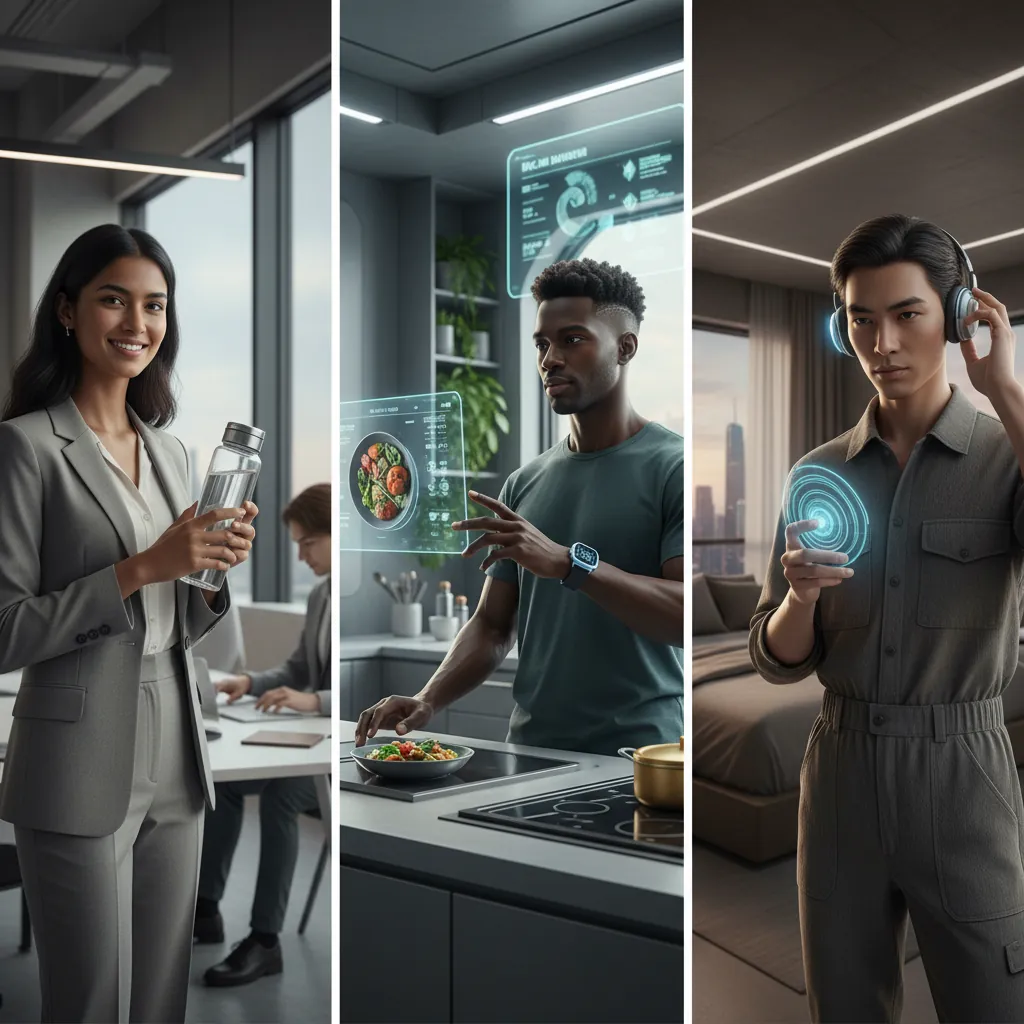
By 2026, AI UGC has evolved significantly, achieving unprecedented levels of realism, customizability, and ethical integration. Gone are the days of uncanny valley visuals; current AI models can generate photorealistic people, diverse body types, specific fashion styles, and authentic emotional expressions. Advancements in generative adversarial networks (GANs) and diffusion models allow for granular control over age, ethnicity, location, and even subtle nuances like skin texture or hair movement. Furthermore, tools now incorporate ethical guidelines, preventing the generation of harmful content and promoting transparency through subtle watermarks or metadata.
Core Benefits of AI-Powered UGC for Modern Brands
AI-powered UGC offers modern brands unparalleled scalability, cost efficiency, and creative flexibility. It democratizes high-quality content production, allowing businesses of all sizes to compete effectively. For example, brands can cut Shopify content costs by 90% by replacing traditional photoshoots with AI. This translates to rapid campaign deployment, A/B testing variations without extra overhead, and the ability to instantly localize content for global markets without needing separate shoots. The capacity to generate countless unique visuals helps overcome content fatigue, keeping audiences engaged with fresh, relevant imagery.
How to Generate Hyper-Realistic AI UGC Images: A Step-by-Step Guide
Generating hyper-realistic AI UGC images in 2026 involves a streamlined process utilizing advanced AI platforms.
-
Define Your Campaign & Audience: Clearly outline your target demographic, desired aesthetic, product features to highlight, and campaign goals. What kind of 'user' are you trying to portray?
-
Select an AI UGC Platform: Choose a specialized platform (like MyUGC.studio) that offers robust generative capabilities, diverse model libraries, and control over scene composition and lighting. Some tools offer preset options for quick generation, while others allow deep customization.
-
Upload Product Assets & Provide Prompts: Input high-resolution images of your product. Craft detailed text prompts describing the scene, model's appearance (age, gender, ethnicity, style), mood, activity, and desired background. For example: "A 20-something woman with curly brown hair, smiling, holding [product name] at a coffee shop, natural light, soft focus."
-
Refine & Iterate: The AI will generate initial images. Use the platform's editing tools to refine elements like model pose, expression, background details, and product placement. Adjust prompts, add negative prompts (e.g., "no blurry elements"), and regenerate until satisfied.
-
Enhance & Export: Apply final touches like color grading, sharpening, or adding minor imperfections for added authenticity if desired. Export images in the required resolution and format for your chosen marketing channels.

AI UGC vs. Traditional UGC: A 2026 Performance Comparison
In 2026, AI UGC often outperforms traditional UGC in scalability and cost, while matching or exceeding authenticity when executed correctly.
| Feature | Traditional UGC | AI-Generated UGC (2026) |
|---|---|---|
| Cost | High (product samples, shipping, talent, payment, agency fees) | Low (platform subscription/per-image fee) |
| Scalability | Limited (dependent on user participation/influencer network) | Unlimited (generate thousands of unique images in minutes) |
| Control | Low (unpredictable quality, content often off-brand) | High (precise control over aesthetics, models, scenes, messaging) |
| Authenticity | High (real users, genuine testimonials) | High (advanced realism, tailored to target audience's look and feel) |
| Speed | Slow (weeks/months for campaigns) | Instant (minutes/hours for campaigns) |
| Localization | Difficult & Expensive (requires local talent/shoots) | Instant & Cost-Effective (generate diverse models/backgrounds for any region) |
The Leading AI Platforms for UGC Generation Today
The leading AI platforms for UGC generation in 2026 are specialized studios and advanced generative AI tools that combine robust image generation with user-friendly interfaces. Platforms like MyUGC.studio focus specifically on e-commerce, offering features like product integration, diverse model libraries, and scene presets tailored for conversion. Other general-purpose text-to-image AI tools (e.g., Midjourney, DALL-E 3) can also be adapted, though they often require more advanced prompting and post-processing to achieve the specific 'UGC' look and feel.

Maximizing Conversion with AI UGC: Best Practices for 2026
To maximize conversion with AI UGC in 2026, focus on authenticity, personalization, and strategic placement. Firstly, ensure your AI-generated models and scenes truly resonate with your target audience, reflecting their diversity and lifestyle. Utilize A/B testing extensively, generating multiple variations of ad creatives with different AI models, backgrounds, and copy to pinpoint what performs best. Integrate AI UGC seamlessly into all touchpoints, from Amazon listing optimization to dynamic social media ads. Remember, the goal is to make the content feel organic and trustworthy, mirroring the impact of genuine user recommendations. For example, AI UGC often converts better on platforms like TikTok where authenticity is key, as explored in TikTok Ads 2026: Why AI UGC Converts Better.
Addressing Challenges: Ethics, Authenticity, and AI Transparency
The primary challenges with AI UGC revolve around maintaining authenticity, addressing ethical concerns, and ensuring transparency. While AI can generate highly realistic images, brands must avoid falling into the 'deepfake' trap. The key is to use AI to enhance, not deceive. Many platforms now include features for ethical AI, such as robust content moderation and clear disclaimers where necessary. Brands should also consider adopting internal policies for AI content creation, focusing on diverse and inclusive representation, and prioritizing genuine connection over pure realism.
"The true power of AI in content creation isn't in replicating reality perfectly, but in enabling brands to tell more diverse, inclusive, and targeted stories that resonate deeply with individual audiences, responsibly and at scale." - Dr. Anya Sharma, AI Ethics Researcher, 2026.
The Future of E-commerce Content: Where is AI UGC Heading
The future of e-commerce content is increasingly intertwined with AI UGC, moving towards even greater personalization, interactivity, and integration. We can anticipate AI tools that generate not just static images, but dynamic video snippets, interactive 3D product visualizations, and even personalized shopping experiences driven by AI-generated models that match individual customer preferences. The synergy between AI UGC and other AI-driven marketing tools will become seamless, allowing brands to scale their Shopify brand with AI in ways previously unimaginable, creating a truly adaptive and responsive content ecosystem.
AI-Generated UGC the Right Content Strategy for Your Brand in 2026
Yes, AI-generated UGC is likely the right content strategy for most brands in 2026, especially those seeking efficiency, scalability, and enhanced market reach. If your brand struggles with content creation costs, needs to localize campaigns rapidly, or constantly seeks fresh, engaging visuals for diverse audiences, AI UGC offers a compelling solution. It empowers marketers to maintain a high volume of quality content, test new ideas faster, and adapt to evolving consumer preferences with unprecedented agility. However, successful integration requires a strategic approach, a focus on authenticity, and an understanding of your target audience's expectations.