AI Photography in 2026
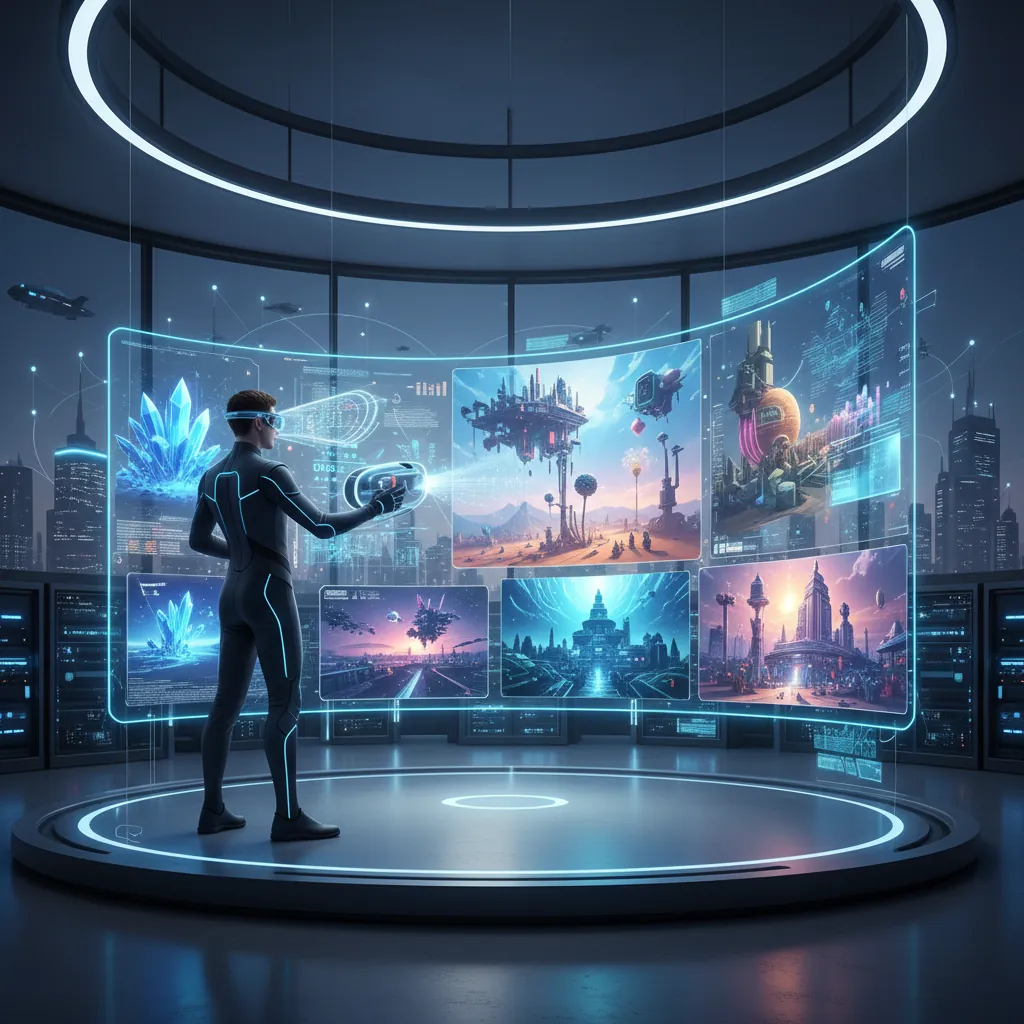
AI photography in 2026 refers to the creation and manipulation of images using artificial intelligence models, moving beyond traditional capture methods to generate entirely new visuals from text prompts or existing data. It encompasses a broad range of techniques, from generating hyper-realistic product photos to creating complex advertising scenes that never existed in reality.
Defining AI-Generated Imagery
AI-generated imagery is visual content created by algorithms, often using deep learning models, without direct input from a camera or scanner. These images are synthesized pixel by pixel based on learned patterns and user-provided instructions, offering unparalleled control over elements like style, composition, and subject matter.
Beyond Filters: Generative AI's Role
Generative AI plays a pivotal role in AI photography by creating entirely new content rather than just applying edits or filters to existing images. Unlike traditional photo editing, generative models can conjure up photorealistic scenes, objects, and even people from scratch, based solely on descriptive text or reference images.
The Shift from Capture to Creation
AI photography marks a significant shift from the act of 'capturing' a moment with a camera to 'creating' a visual concept through algorithms. This paradigm change empowers marketers and e-commerce brands to produce an infinite variety of visuals that perfectly match their specific needs, without the logistical constraints of physical photoshoots.
AI Photography Work
AI photography works by leveraging sophisticated machine learning models, primarily generative adversarial networks (GANs) and diffusion models, to synthesize images based on input data like text prompts or reference images. These models have been trained on vast datasets of existing images, allowing them to understand visual patterns and generate coherent, realistic new ones.
Text-to-Image Synthesis
Text-to-image synthesis is a core mechanism where AI models generate visuals directly from natural language descriptions. Users input descriptive text, such as "a minimalist e-commerce product shot of a sleek silver smartwatch on a marble counter with soft, natural lighting," and the AI algorithm renders a corresponding image.
AI Models and Training Data
The effectiveness of AI photography hinges on the advanced AI models, which are trained on enormous datasets containing billions of images and their corresponding text descriptions. This extensive training enables the models to learn the intricate relationships between words and visual elements, allowing them to produce highly accurate and contextually relevant images.

The Role of Prompts and Parameters
Prompts and parameters are the critical instructions users provide to guide the AI's image generation process. A well-crafted prompt, combined with specific parameters for style, aspect ratio, or artistic influence, ensures the AI produces output that aligns precisely with the user's creative vision.
The Key Benefits of AI Photography for Businesses
AI photography offers businesses unparalleled benefits, including massive scalability, drastic cost reductions, hyper-personalization capabilities, and enhanced brand consistency, transforming how visual content is produced and consumed. These advantages directly impact marketing ROI and operational efficiency.
| Feature | Traditional Photography | AI Photography (2026) |
|---|---|---|
| Cost per Image | High ($100s - $1000s) | Low (Cents - $10s) |
| Scalability | Limited, time-intensive | Unlimited, instant generation |
| Time to Produce | Days to Weeks | Minutes to Hours |
| Customization | Manual, costly per variation | Hyper-personalized at scale |
| Consistency | Challenging to maintain | Easily maintained via presets |
| Resource Needs | Studio, models, equipment, crew | AI platform, prompt engineer |
Unlocking Unprecedented Scalability
AI photography enables businesses to generate thousands of unique, high-quality images in a fraction of the time and cost compared to traditional methods, providing unprecedented scalability for diverse campaigns. This is crucial for brands needing vast amounts of content, such as for A/B testing or diverse product listings.
Drastically Reducing Production Costs
By eliminating the need for expensive photoshoots, models, studios, and post-production teams, AI photography drastically reduces content production costs. For instance, businesses can cut Shopify content costs by 90% by leveraging AI tools, making high-quality visuals accessible even for smaller budgets. Learn more about how to save 90 percent on Shopify content.
Achieving Hyper-Personalization at Scale
AI photography allows for the creation of hyper-personalized visual content tailored to specific customer segments, demographics, or even individual users, boosting engagement and conversion rates. This level of customization ensures that every potential customer sees visuals that resonate directly with them, a key strategy for scaling a Shopify brand with AI. Explore how to scale your Shopify brand with AI UGC in 2026.
Ensuring Brand Consistency
AI tools can be trained on a brand's specific visual guidelines, ensuring that all generated images adhere to a consistent aesthetic, color palette, and style. This helps maintain a cohesive brand identity across all marketing channels, a significant challenge with diverse traditional photoshoots.
Case Study: E-commerce and AI Photography
E-commerce businesses are among the biggest beneficiaries of AI photography, using it to create diverse product visuals, localize content for global markets, and generate engaging user-generated content (UGC) at scale. AI addresses critical challenges like content volume and cost in the competitive online retail space.
Creating Diverse Product Visuals
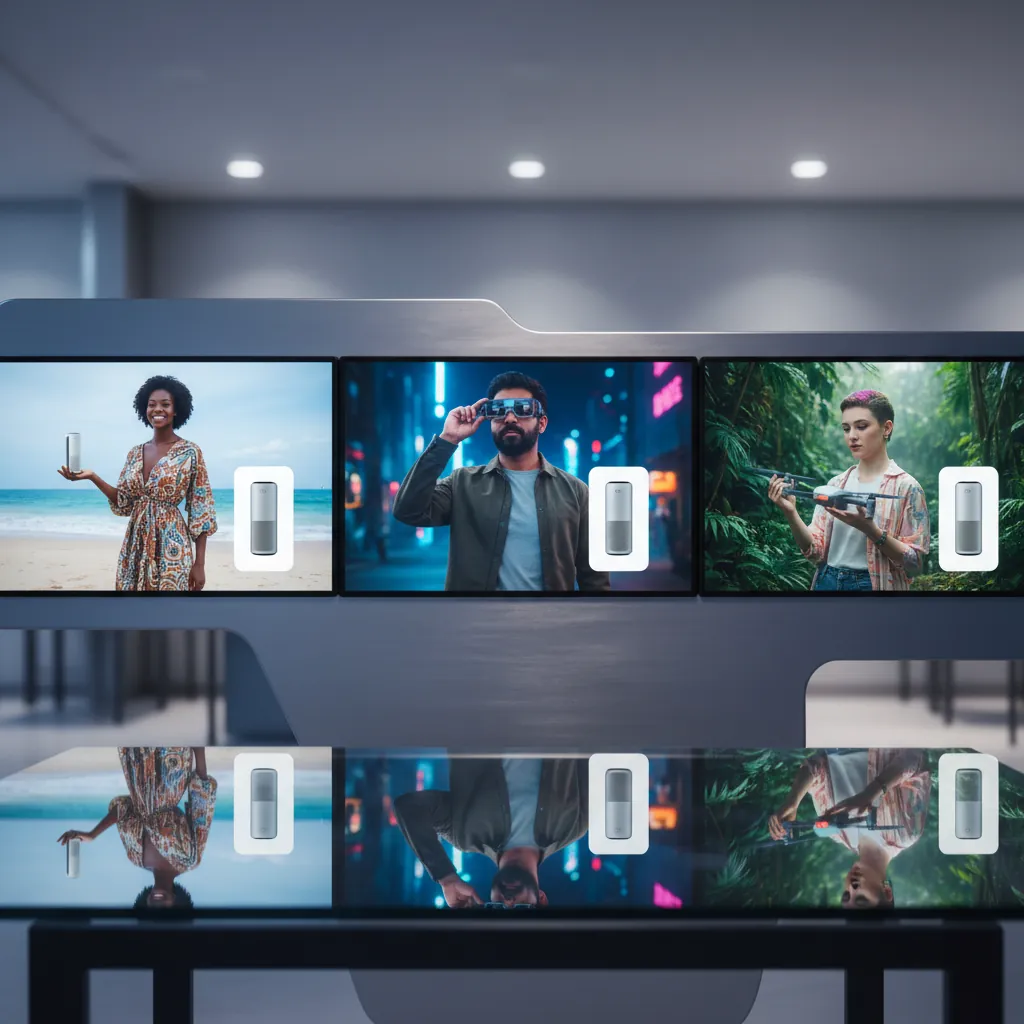
AI photography allows e-commerce brands to generate an infinite array of product visuals from a single base image, showcasing items in various settings, lighting conditions, and with different models. This diversity is vital for captivating diverse customer segments and enriching product listings.
Localizing Visuals for Global Markets
AI photography excels at localizing product visuals, adapting models, settings, and cultural contexts to resonate with specific geographic audiences. This enables brands to capture global markets with AI presets, drastically improving relevance and conversion rates in international campaigns. Discover the localization hack: capture global markets with AI presets.
Generating UGC-Style Content
AI photography can simulate authentic user-generated content (UGC), creating realistic images that feature products in natural, everyday scenarios. This helps brands leverage the power of social proof without the logistical hurdles of collecting actual UGC, providing unique content from even a single supplier photo. Learn how to generate UGC images with AI in 2026 and unlock dropshipping secrets: unique content from one supplier photo.
Beyond E-commerce: Other Industries Impacted by AI Photography
AI photography's transformative power extends far beyond e-commerce, revolutionizing visual content creation in marketing, real estate, gaming, and numerous other sectors by offering efficiency, customization, and cost savings. Its versatility makes it a valuable asset across diverse industries.
Marketing and Advertising
In marketing and advertising, AI photography enables brands to produce highly targeted ad creatives, A/B test a multitude of visual variations, and adapt campaigns swiftly to market trends. This allows for more dynamic and effective advertising strategies, maximizing ROI.
Real Estate Virtual Staging
AI photography is revolutionizing real estate by offering virtual staging capabilities, transforming empty rooms into beautifully furnished spaces with AI-generated furniture and decor. This helps potential buyers visualize properties' full potential without physical staging costs or efforts.
Gaming and Virtual Worlds
For gaming and virtual worlds, AI photography assists in generating realistic textures, environments, and character assets efficiently, accelerating development cycles and enhancing visual fidelity. It enables creators to populate vast virtual landscapes with intricate details quickly.
The Challenges and Ethical Considerations
While AI photography offers immense benefits, it also presents significant challenges and ethical considerations, including potential biases in generated content, complex copyright issues, and the "uncanny valley" effect that can undermine authenticity. Addressing these requires careful development and responsible usage.
Bias in AI Models
Bias in AI models can lead to generated images that reflect and amplify societal stereotypes or misrepresent certain demographics, stemming from biases present in the training data. This necessitates diverse and carefully curated datasets to ensure fair and inclusive outputs.
Copyright and Ownership Questions
The question of copyright and ownership for AI-generated images remains a complex and evolving legal area, with debates surrounding who owns the creative work: the user, the AI developer, or no one at all. This uncertainty impacts commercial use and intellectual property rights.
The "Uncanny Valley" Effect
The "uncanny valley" effect occurs when AI-generated images, particularly of human faces or bodies, are almost but not quite photorealistic, leading to a sense of unease or revulsion in viewers. Overcoming this requires continuous advancements in AI realism and artistic finesse.
To Implement AI Photography into Your Workflow
Implementing AI photography into your workflow involves selecting the right platform, developing effective prompt strategies, and integrating the technology with your existing content creation tools to streamline visual production. A strategic approach ensures maximum benefit and efficiency.
Choosing the Right AI Platform
Choosing the right AI platform is crucial for successful implementation, as different tools offer varying capabilities, ease of use, and integration options. For generating diverse and scalable visual content, platforms like My UGC Studio provide powerful tools for creating high-quality, AI-driven images and videos tailored for e-commerce and marketing needs.
Developing Effective Prompt Strategies
Developing effective prompt strategies is key to unlocking the full potential of AI photography, as precise and descriptive prompts yield superior and more relevant image outputs. Experimentation with keywords, styles, and negative prompts is essential to refine results.
Integrating with Existing Tools
Seamless integration with existing design, marketing, and e-commerce platforms is vital for making AI photography an efficient part of your content workflow. This ensures that AI-generated visuals can be easily incorporated into product listings, ad campaigns, and social media posts.
Step-by-Step: Creating an AI-Generated Product Shot
Creating an AI-generated product shot involves a systematic process from concept to final image, leveraging the power of generative AI.
- Define your Vision: Clearly articulate the product, desired setting, lighting, style, and target audience for the image.
- Craft Your Prompt: Write a detailed text prompt for the AI, incorporating all key elements. Example: "A luxurious shot of a diamond ring on a velvet cushion, in a softly lit jewelry store display, bokeh background, highly detailed, professional product photography."
- Select Your AI Tool: Choose an AI photography platform like My UGC Studio that offers robust text-to-image capabilities and control over output.
- Generate Initial Images: Input your prompt and parameters into the AI tool. Generate several variations to explore different interpretations.
- Refine and Iterate: Analyze the generated images. Adjust your prompt, add negative prompts (e.g., "no blurry elements"), or modify parameters to achieve closer results.
- Upscale and Enhance: Once satisfied, use the tool's upscaling features to improve resolution and detail. Apply any final subtle enhancements or color corrections.
- Integrate into Marketing: Download the high-resolution image and use it for your e-commerce listings, advertisements, or social media campaigns.
Future Trends: What's Next for AI Photography in 2026 and Beyond
The future of AI photography in 2026 and beyond promises even more sophisticated capabilities, including real-time editing, multimodal content creation, and enhanced control over authenticity and artistic expression. These advancements will further blur the lines between human and AI creativity.
Real-Time AI Image Editing
Real-time AI image editing will allow creators to make instant, live modifications to images using AI, dramatically speeding up post-production workflows. Imagine changing a model's outfit or an entire background with a voice command, seeing the changes immediately.
Multimodal AI Content Creation
Multimodal AI content creation will involve AI systems that can understand and generate across various data types simultaneously, combining text, image, video, and audio inputs to produce rich, integrated visual stories. This will enable more dynamic and immersive content experiences.
"AI photography isn't just a tool; it's a new medium. It democratizes high-end visual production, allowing anyone with an idea to bring it to life, redefining the very concept of a 'photographer'."
Enhanced Authenticity and Control
Future AI photography will offer enhanced control over authenticity and minute details, allowing users to fine-tune aspects like expressions, textures, and subtle human nuances to bypass the "uncanny valley" effect and create truly believable visuals. This will foster greater trust and engagement with AI-generated content.