AI Replacing Traditional Studio Shoots
AI is replacing traditional studio shoots primarily due to its superior efficiency, cost-effectiveness, and creative scalability. Traditional methods are becoming unsustainable for the rapid content demands of modern ecommerce.
The Cost Burden of Traditional Photography
Traditional photography incurs significant costs including studio rental, equipment, photographer fees, model talent, stylists, and post-production. These expenses quickly accumulate, especially for businesses requiring a high volume of diverse product visuals or frequent updates.
Time Constraints and Production Bottlenecks
Traditional studio shoots are inherently time-consuming, involving extensive planning, scheduling, travel, shooting days, and lengthy post-processing. This creates significant production bottlenecks, delaying product launches and marketing campaigns, which is detrimental in fast-paced markets.
Limitations in Creative Iteration
Traditional photography offers limited flexibility for rapid creative iterations without incurring additional costs and delays. Experimenting with different models, backgrounds, lighting, or product angles often requires reshooting, making A/B testing or diverse campaign adaptation impractical.
AI Replace Studio Shoots for Ecommerce
AI replaces studio shoots by generating photorealistic product images, integrating virtual models, and creating dynamic backgrounds from simple product photos. This automation bypasses the need for physical setups entirely.
AI-Powered Product Image Generation
AI-powered tools can generate stunning product images in virtually any setting or style from just a single product photo. This involves algorithms that understand product geometry, lighting, and texture to create new, contextualized visuals, such as those discussed in Shopify Product Page Images with AI in 2026.
Virtual Model Integration
Virtual model integration allows ecommerce brands to showcase apparel and other products on diverse, AI-generated models without ever hiring a human. My UGC Studio, for instance, offers a Virtual Apparel mode where you upload product photos and instantly generate model-based lifestyle images, providing realistic try-on visuals in seconds.
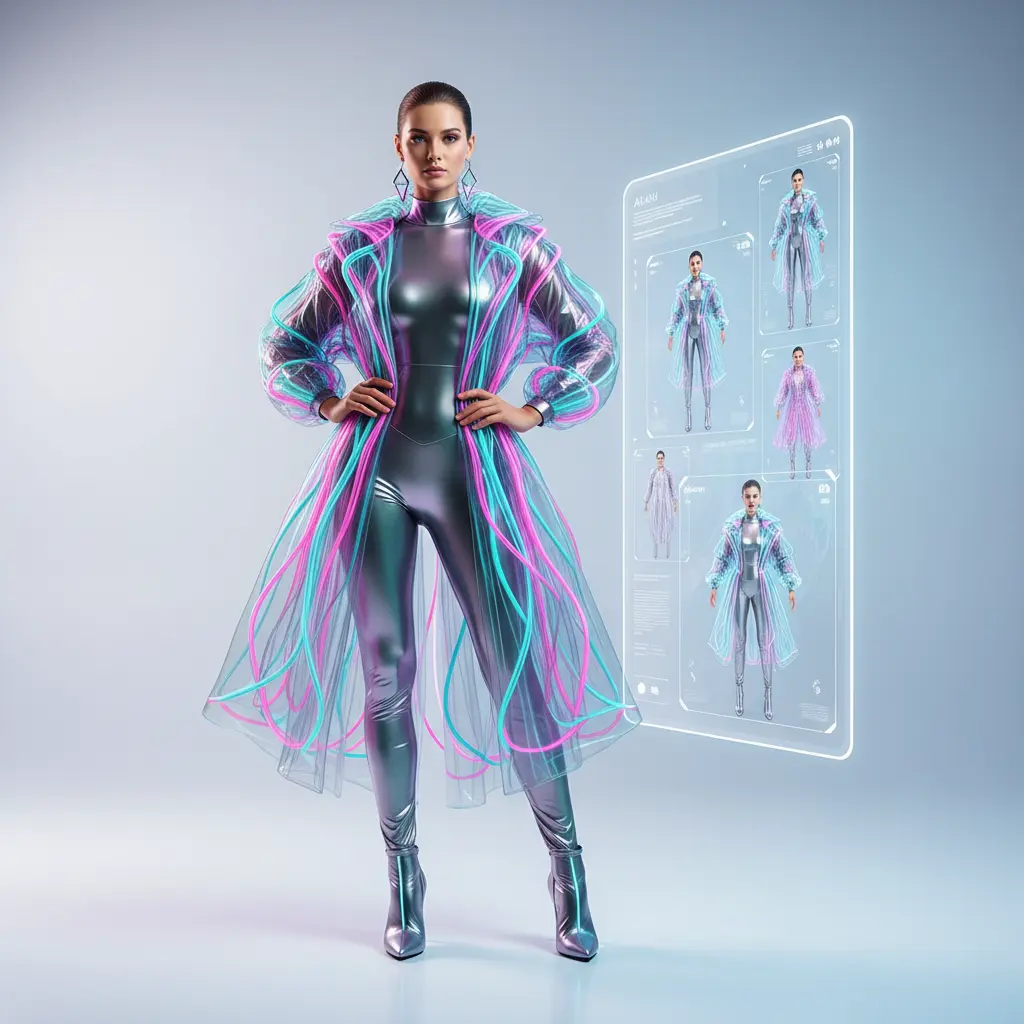
Dynamic Backgrounds and Environments
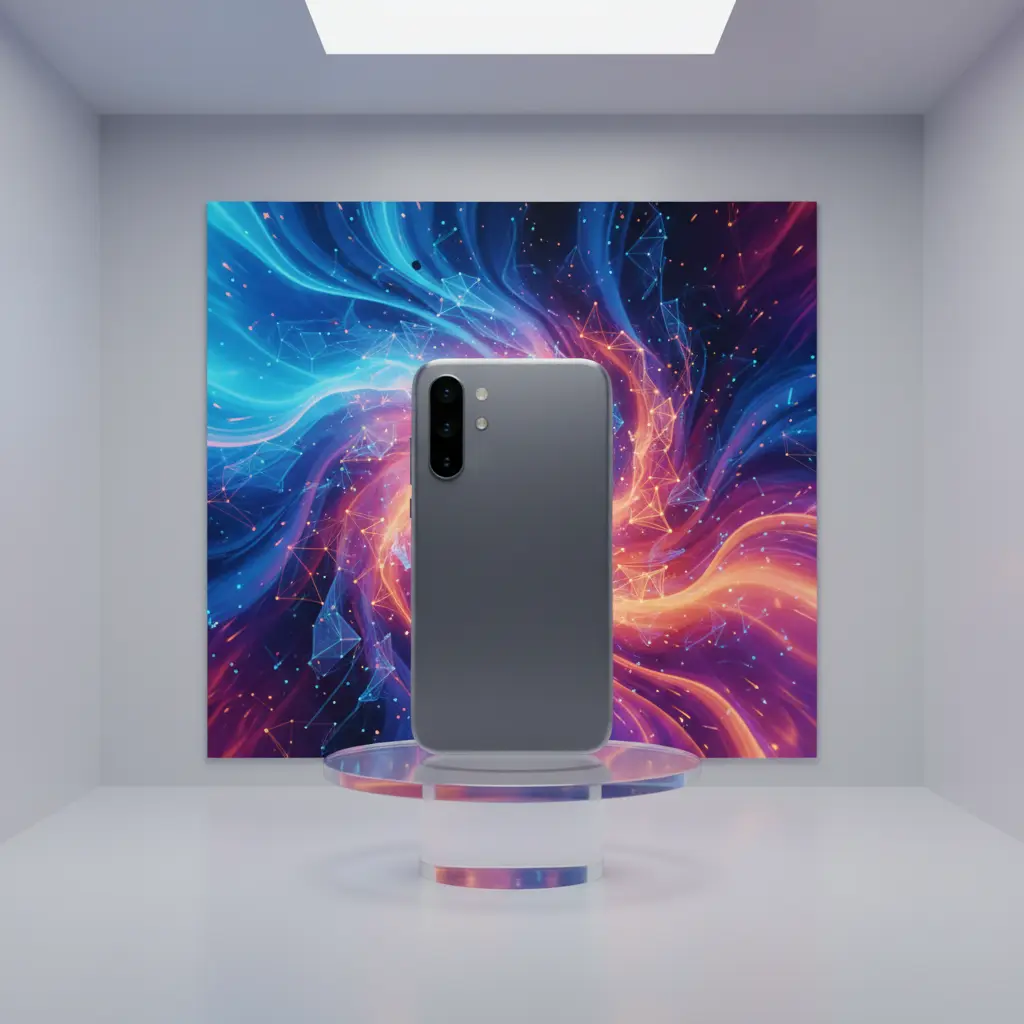
AI enables the creation or selection of infinite dynamic backgrounds and environments for product placement. With tools like My UGC Studio, users can choose or create custom scenes (studio, street, cafe) on the Locations tab, generating entirely new visual contexts for products with a simple text description.
The Core Benefits of AI for Product Visuals
The core benefits of AI for product visuals include significant cost reduction, unparalleled speed and scalability, and enhanced creative flexibility. These advantages directly impact a business's bottom line and market agility.
Significant Cost Reduction
AI eliminates the substantial expenses associated with traditional photoshoots, leading to dramatic cost savings. Businesses can cut costs by up to 90% on content creation, as detailed in How to Cut Shopify Content Costs by 90% with AI.
Unprecedented Speed and Scalability
AI allows for the rapid generation of hundreds or thousands of unique product visuals in minutes, offering unparalleled speed and scalability. This capability is crucial for scaling ecommerce creatives, as explored in Scaling Ecommerce Creatives with AI Workflows in 2026.
Enhanced Creative Flexibility
AI provides limitless creative flexibility, enabling instant experimentation with diverse concepts, models, and settings. This allows brands to rapidly adapt visuals for different marketing campaigns, target audiences, and regional preferences without costly reshoots.
You Implement AI for Your Product Visuals
Implementing AI for product visuals involves selecting the right platform, preparing assets, and defining your desired scenes. The process streamlines content creation efficiently.
-
Selecting the Right AI Platform
Choose an AI platform specifically designed for ecommerce product visuals, like My UGC Studio, over general-purpose AI image generators. While tools like Midjourney or Stable Diffusion can generate images, they often require extensive prompt engineering, numerous iterations, and manual fixes to achieve ecommerce-ready quality regarding product geometry, realism, and consistency. Specialized platforms are optimized for product creatives.
-
Uploading and Preparing Product Assets
Upload clean, high-resolution product photos, ideally with a white or transparent background, to your chosen AI platform. Ensure the product is well-lit and clearly visible for optimal AI processing.
-
Defining Your Desired Scene and Models
Use simple text prompts or select from pre-defined templates to describe the scene, environment, model characteristics, and mood you want for your product. For apparel, specify model poses or body types; for other products, describe the desired context (e.g., "a minimalist studio backdrop" or "a bustling cafe scene").
AI-Generated Images Match Professional Quality
Yes, AI-generated images can match, and often exceed, professional quality, especially when using specialized platforms designed for product visuals. The technology has advanced significantly, moving past early limitations.
Overcoming the "Uncanny Valley"
Modern AI models are sophisticated enough to overcome the "uncanny valley" effect, producing highly realistic and natural-looking visuals. Continuous advancements in generative AI ensure that models and environments appear authentic and engaging.
Achieving Realism and Consistency
Specialized AI tools excel at maintaining product realism and consistency across diverse creative outputs. Unlike generic AI models that might struggle with precise product representation, dedicated ecommerce AI platforms ensure brand guidelines and product details are accurately rendered.
The Role of Human Oversight
"While AI automates much of the creative process, human oversight remains crucial for refining outputs and ensuring brand alignment. AI empowers creators, it doesn't replace them entirely."
This ensures that the final creatives not only look good but also resonate with the brand's identity and target audience.

Advanced AI Features for Next-Level Creatives
Advanced AI features offer capabilities beyond basic image generation, enabling highly targeted and efficient creative strategies. These include localization, UGC generation, and performance optimization.
Localized Visuals for Global Markets
AI facilitates the creation of culturally relevant and localized visuals for global markets, engaging diverse audiences more effectively. This is critical for international expansion, as highlighted in Multilingual Ecommerce Visuals with AI in 2026.
AI-Generated UGC and Lifestyle Shots
AI can generate authentic-looking User-Generated Content (UGC) and lifestyle shots, vital for building trust and engagement. Learning How to Generate UGC Images with AI in 2026 offers a competitive edge in marketing.
A/B Testing and Performance Optimization
AI enables rapid generation of multiple creative variations for A/B testing, leading to data-driven performance optimization for ads and product pages. This process is detailed in AI Creative Testing for Ecommerce Ads in 2026.
Cost Comparison: AI vs. Traditional Studio Photography
AI consistently offers a significantly lower cost per asset compared to traditional studio photography due to reduced overheads and automation. This table illustrates typical cost differences.
| Factor | Traditional Studio Photography | AI-Powered Visuals |
|---|---|---|
| Setup Costs | High (Studio, Equipment, Crew) | Minimal (Software subscription) |
| Per-Image Cost | High ($50-$500+) | Low (Cents to a few dollars) |
| Time to Production | Weeks to Months | Minutes to Hours |
| Creative Iterations | Limited, Expensive | Unlimited, Rapid |
| Scalability | Low | High |
| Diversity (Models, Backgrounds) | Costly to achieve | Effortless, virtually infinite |
Understanding the ROI of AI
The Return on Investment (ROI) for AI-generated visuals is often significantly higher due to lower costs, faster time-to-market, and improved conversion rates from optimized creatives. The ability to test more visuals means finding winning campaigns faster.
Hidden Costs of Traditional Shoots
Traditional shoots often have hidden costs, including travel, contingency for reshoots, licensing fees for models, and inefficient communication overhead. These factors contribute to the overall inflated expense of conventional methods.
Challenges Should You Expect with AI Visuals
While powerful, adopting AI visuals presents challenges such as an initial learning curve, maintaining brand consistency, and navigating data privacy concerns. Addressing these proactively ensures a smoother transition.
Initial Learning Curve
There can be an initial learning curve to effectively utilize AI platforms and craft effective prompts. However, user-friendly interfaces and specialized tools like My UGC Studio minimize this barrier.
Maintaining Brand Consistency
Ensuring AI-generated content consistently aligns with specific brand guidelines requires careful setup and occasional human review. Establishing clear parameters and leveraging platform features for consistent styling is key.
Data Privacy and Intellectual Property
Users must be aware of data privacy implications and intellectual property rights concerning AI models and generated content. Choosing reputable platforms with clear terms of service is essential to mitigate risks.
The Future of Product Photography is AI-Driven
The future of product photography is undeniably AI-driven, characterized by continuous innovation, broader accessibility, and a significant competitive shift. AI is set to redefine creative workflows and market dynamics.
Evolving AI Capabilities
AI capabilities are continuously evolving, promising even more sophisticated realism, greater creative control, and seamless integration with existing marketing tools. This ongoing development ensures AI will remain at the forefront of content creation.
Democratizing High-Quality Visuals
AI democratizes access to high-quality product visuals, enabling small and medium-sized businesses to compete with larger enterprises. This levels the playing field, making professional-grade content accessible to all.
Competitive Advantage for Ecommerce
Businesses that embrace AI for their product visuals will gain a significant competitive advantage in terms of cost, speed, and market responsiveness. Early adoption offers a strategic edge in a crowded digital landscape.
The End of Expensive Studio Shoots
While niche high-end photography may persist, the era of expensive, generic studio shoots for mass product content is rapidly approaching its end. AI offers a superior, sustainable alternative for most ecommerce needs.