Why is Photo Content More Crucial for Dropshippers in 2026?
Photo content is increasingly crucial for dropshippers in 2026 because it serves as the primary touchpoint for building trust and communicating value in a visually-driven, often skeptical online marketplace. With more sophisticated AI tools enabling unique visual creation, generic supplier photos are no longer sufficient to stand out.
The Rise of Visual Commerce
Visual commerce, where purchasing decisions are heavily influenced by imagery, dominates the online retail landscape in 2026. Customers expect rich, engaging visuals across all platforms, from social media to product pages, making compelling photos non-negotiable for dropshipping success.
Combating Product Similarity
Unique product photos are essential for combating the widespread product similarity common in dropshipping. By transforming standard supplier images into distinctive visual assets, dropshippers can differentiate their offerings and avoid looking like every other store selling the same item.
Building Customer Trust Digitally
High-quality, authentic photo content is fundamental to building customer trust in the digital dropshipping environment. Clear, detailed, and realistic images help consumers feel confident in their purchase, overcoming the lack of physical interaction inherent in online shopping.
Reducing Returns Through Clarity
Superior photo content significantly reduces product returns by providing customers with a clear and accurate representation of what they are purchasing. Detailed visuals, including multiple angles and close-ups, minimize misunderstandings about product size, color, and features.
How Does Unique Visuals Combat Dropshipping Challenges?
Unique visuals combat common dropshipping challenges by enhancing brand perception, increasing engagement, and ultimately driving higher conversion rates and customer satisfaction. They provide a distinct competitive edge in a crowded market.
Differentiating from Competitors
Creating unique visual content is the most effective way for dropshippers to differentiate themselves from competitors selling identical products. Bespoke imagery, often generated with AI, helps establish a unique brand identity and value proposition.
Increasing Perceived Value
High-quality, unique product photos inherently increase the perceived value of your dropshipped items. Professional and appealing visuals suggest a higher quality product and a more trustworthy brand, justifying premium pricing and improving customer willingness to purchase.
Improving Click-Through Rates (CTR)
Compelling and unique product photos directly lead to improved click-through rates (CTR) on ads and product listings. Eye-catching visuals grab attention, encouraging potential customers to learn more about your offerings.
Lowering Ad Costs
Higher CTRs and conversion rates driven by unique photo content can lead to lower advertising costs over time. Platforms reward engaging ads with better placement and lower bids, making your marketing budget more efficient.
How Can AI Generate High-Converting Product Photos?
AI is revolutionizing how dropshippers generate high-converting product photos by automating complex editing tasks, creating diverse scenarios, and personalizing visuals at scale. Tools like My UGC Studio leverage AI to transform basic supplier images into unique marketing assets.
AI for Background Removal and Replacement
AI tools efficiently remove existing backgrounds and replace them with visually appealing, contextual, or branded environments. This allows dropshippers to instantly create professional-looking product photos without expensive studio shoots.
Creating Lifestyle Scenarios with AI
Advanced AI can generate realistic lifestyle scenarios, placing your product in aspirational or relatable settings without the need for models or props. This helps customers visualize themselves using the product, boosting emotional connection and sales.

Personalizing Visuals at Scale
AI enables dropshippers to personalize product visuals for different target audiences or marketing campaigns at an unprecedented scale. This means creating numerous variations to test and optimize for specific segments, enhancing content strategy as discussed in AI-Powered Content Strategy for Dropshipping Success in 2026.
Generating UGC Images with AI
AI can simulate and generate user-generated content (UGC) images, offering the authenticity of real customer photos without the collection overhead. Learn more about this process in How to Generate UGC Images with AI in 2026: The Ultimate Guide.
How to Optimize Photo Content for Diverse Customer Segments?
Optimizing photo content for diverse customer segments involves creating a range of visuals that resonate with different demographics, psychographics, and cultural backgrounds. This targeted approach ensures maximum appeal and engagement across your entire potential customer base.
Tailoring Images for Demographics
Tailoring images for demographics means creating visuals that specifically appeal to different age groups, genders, and income levels. For instance, showcasing products with younger models for a Gen Z audience versus a more mature aesthetic for an older demographic.
Cultural Sensitivity in Visuals
Exercising cultural sensitivity in visuals is crucial to avoid alienation and foster inclusivity when targeting international or diverse domestic markets. This includes using appropriate models, settings, and avoiding potentially offensive imagery.
A/B Testing Visual Variations
A/B testing different visual variations is essential for understanding which photo content performs best with specific customer segments. This data-driven approach allows for continuous optimization and improved conversion rates.
Hyper-Personalization with AI
AI facilitates hyper-personalization by dynamically serving different product images to individual users based on their browsing history, demographics, or real-time behavior. This creates an incredibly relevant and engaging shopping experience.
What are the Best Practices for Dropshipping Product Photography?
The best practices for dropshipping product photography include using high-resolution imagery, showcasing multiple angles, maintaining brand consistency, and optimizing for mobile viewing. These principles ensure your visuals are effective and professional.
High-Resolution and Multiple Angles
Always use high-resolution images and provide multiple angles of your product to give customers a comprehensive view. This level of detail helps prevent buyer's remorse and reduces returns.
Consistency in Branding
Maintain consistency in your brand's visual style, including lighting, background, and color palette, across all product photos. This reinforces brand identity and creates a cohesive shopping experience.
Showcasing Product in Use
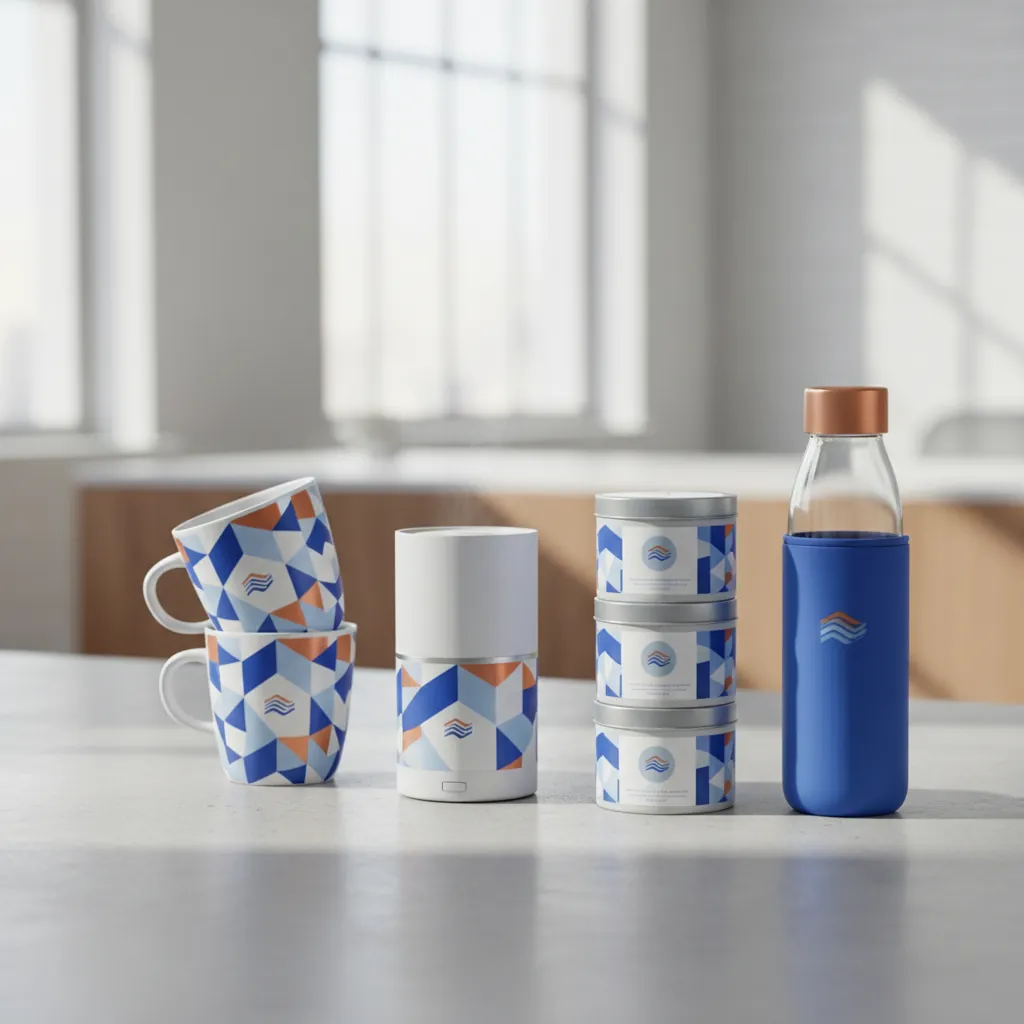
Demonstrating the product in use, or within a relevant lifestyle context, helps customers understand its benefits and how it fits into their lives. This can be achieved through lifestyle shots or short video clips.
Mobile Optimization
All product photos must be optimized for mobile devices, given that most online shopping occurs on smartphones. This means fast loading times, clear visibility on smaller screens, and responsive image sizing.
How to Measure the Impact of Photo Content on Sales?
Measuring the impact of photo content on sales involves tracking key performance indicators such as conversion rates, engagement metrics, and return rates. A data-driven approach is crucial for understanding ROI and optimizing future content strategies.
Tracking Conversion Rate Increases
Monitoring increases in conversion rates is the most direct way to assess the effectiveness of enhanced photo content. A/B test different image sets to see which leads to more completed purchases.
Monitoring Customer Engagement Metrics
Customer engagement metrics like time on page, scroll depth, and interaction with image galleries indicate how compelling your visuals are. Higher engagement often correlates with a greater likelihood of conversion.
Analyzing Return Rates
A decrease in product return rates can signal that your photo content is effectively setting customer expectations. Clear and accurate visuals mean fewer surprises upon delivery.
Using A/B Testing for Photo Performance
Implementing A/B testing on different product image variations helps identify which visuals resonate most with your audience. This iterative process is vital for continuous improvement.
| Metric | Impact of Good Photo Content | Measurement Method |
|---|---|---|
| Conversion Rate | Significant increase | Sales / Sessions |
| Click-Through Rate (CTR) | Higher ad & listing clicks | Clicks / Impressions |
| Average Time on Page | Longer engagement | Analytics tracking |
| Return Rate | Noticeable decrease | Returns / Sales |
| Customer Reviews | More positive feedback | Sentiment analysis |
Why Integrate UGC and Lifestyle Imagery for Authenticity?
Integrating user-generated content (UGC) and lifestyle imagery is essential for dropshippers to build authenticity, foster community, and create relatable marketing assets. These types of visuals resonate deeply with modern consumers seeking genuine experiences.
Building Trust with Real Customers
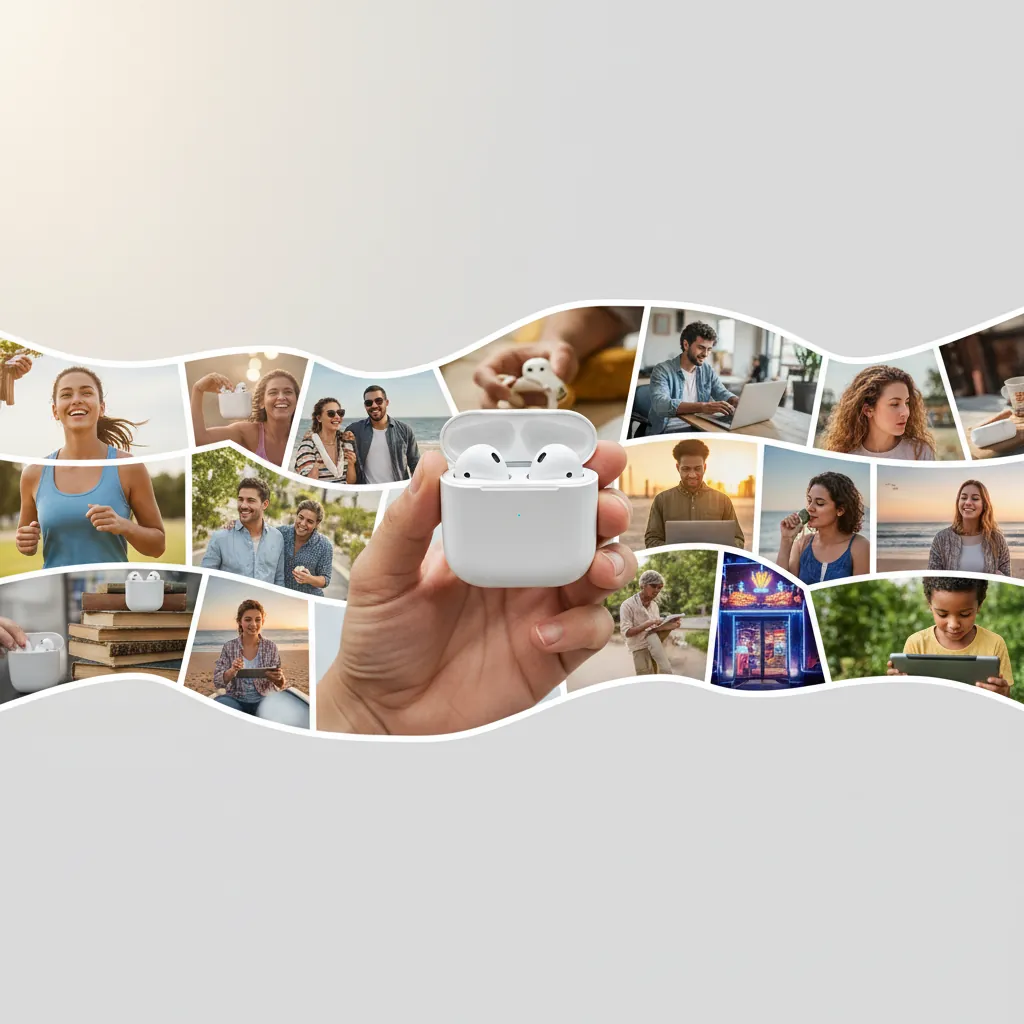
UGC builds unparalleled trust by showcasing real customers using and enjoying your products, acting as powerful social proof. This authenticity is far more impactful than purely commercial photography.
Authenticity sells. In an age of digital skepticism, user-generated content acts as a beacon of trust, transforming casual browsers into confident buyers.
Encouraging Customer Submissions
Actively encouraging customer submissions through contests, hashtags, or direct requests is a cost-effective way to acquire valuable UGC. Showcase the best submissions to incentivize more contributions.
AI-Enhanced UGC Curation
AI tools can assist in curating and moderating UGC, helping dropshippers efficiently identify the highest quality and most brand-aligned content. This streamlines the integration of authentic visuals into your marketing efforts.
Scaling Shopify Brand with AI UGC
Leveraging AI to manage and scale UGC can significantly boost a Shopify brand's growth and conversion rates. Explore strategies for this in How to Scale Your Shopify Brand with AI UGC in 2026.
How Does My UGC Studio Streamline Content Creation?
My UGC Studio streamlines content creation for dropshippers by offering an AI-powered platform to generate unique visuals from existing product photos, significantly reducing time and costs. It centralizes creative workflows and scales content production efficiently.
Automating Visual Asset Generation
My UGC Studio automates the generation of diverse visual assets, from lifestyle images to unique product shots, using AI. This eliminates the need for manual editing or expensive photoshoots, accelerating content pipelines.
Centralizing Content Workflows
The platform centralizes all content creation and management, providing dropshippers with a single hub for their visual assets. This ensures consistency and makes collaboration easier across teams.
Achieving Cost Savings
Dropshippers can achieve significant cost savings, potentially up to 90%, on content creation by leveraging AI tools like My UGC Studio. Discover more in How to Cut Shopify Content Costs by 90% with AI.
Unique Content from Supplier Photos
My UGC Studio excels at transforming generic supplier photos into unique, high-converting content. This process, detailed in Dropshipping Secrets: Unique Content from One Supplier Photo, gives dropshippers a distinct market advantage.
- Upload Supplier Photos: Begin by uploading your existing product images from suppliers to the My UGC Studio platform.
- Select AI Styles & Scenarios: Choose from a library of AI-generated backgrounds, models, and lifestyle scenarios that best fit your brand and target audience.
- Customize & Refine: Use intuitive tools to adjust lighting, shadows, and product placement, ensuring the image looks natural and compelling.
- Generate Unique Visuals: The AI processes your inputs and generates a wide array of unique, high-quality product images ready for use on your store, ads, and social media.
- Integrate & Deploy: Easily download and integrate your new visuals directly into your ecommerce platform or marketing campaigns.
What are the Future Trends in Dropshipping Photo Content?
Future trends in dropshipping photo content include the widespread adoption of interactive 3D models, augmented reality (AR) previews, and even more dynamic AI-powered visuals. These innovations promise to further enhance the online shopping experience and drive engagement.
Interactive 3D Models
Interactive 3D models will allow customers to rotate, zoom, and explore products from every angle, offering a near-physical shopping experience. This level of interaction can dramatically improve confidence and reduce cognitive load for buyers.
Augmented Reality (AR) Previews
Augmented Reality (AR) previews will enable dropshippers to let customers virtually 'try on' or 'place' products in their own environment. This technology, accessible via smartphone cameras, bridges the gap between digital browsing and real-world application.
AI-Powered Dynamic Visuals
AI-powered dynamic visuals will adapt in real-time based on user preferences, current trends, or even local weather, creating hyper-relevant and engaging content. This ensures that the most impactful image is always presented to the right customer.
Ethical AI in Content Creation
The ethical use of AI in content creation will become a paramount concern, focusing on transparency, bias mitigation, and intellectual property. Dropshippers will need to ensure their AI-generated content is responsible and trustworthy.