The Power of AI for Pinterest Product Creatives
Pinterest functions primarily as a visual discovery engine, where compelling imagery directly influences user engagement and purchase intent. Pinterest functions primarily as a visual discovery engine, where compelling imagery directly influences user engagement and purchase intent. Traditional creative production for Pinterest at scale often involves significant time and cost, especially for diverse product lines or seasonal campaigns. AI revolutionizes this by generating an array of visually distinct pins from a single product image. This eliminates the need for expensive studio shoots or relying solely on user-generated content, offering a highly scalable solution for brands of all sizes. For instance, a furniture retailer can upload a photo of a sofa and use AI to place it in various lifestyle settings-a modern apartment, a cozy farmhouse, or a minimalist studio-each tailored to resonate with different Pinterest demographics. This agility helps brands quickly adapt to new trends and maintain a dynamic online presence, ensuring their products remain visible and appealing within a competitive feed. The combination of cost efficiency and speed means more creative iterations and faster deployment, directly impacting marketing campaign effectiveness.
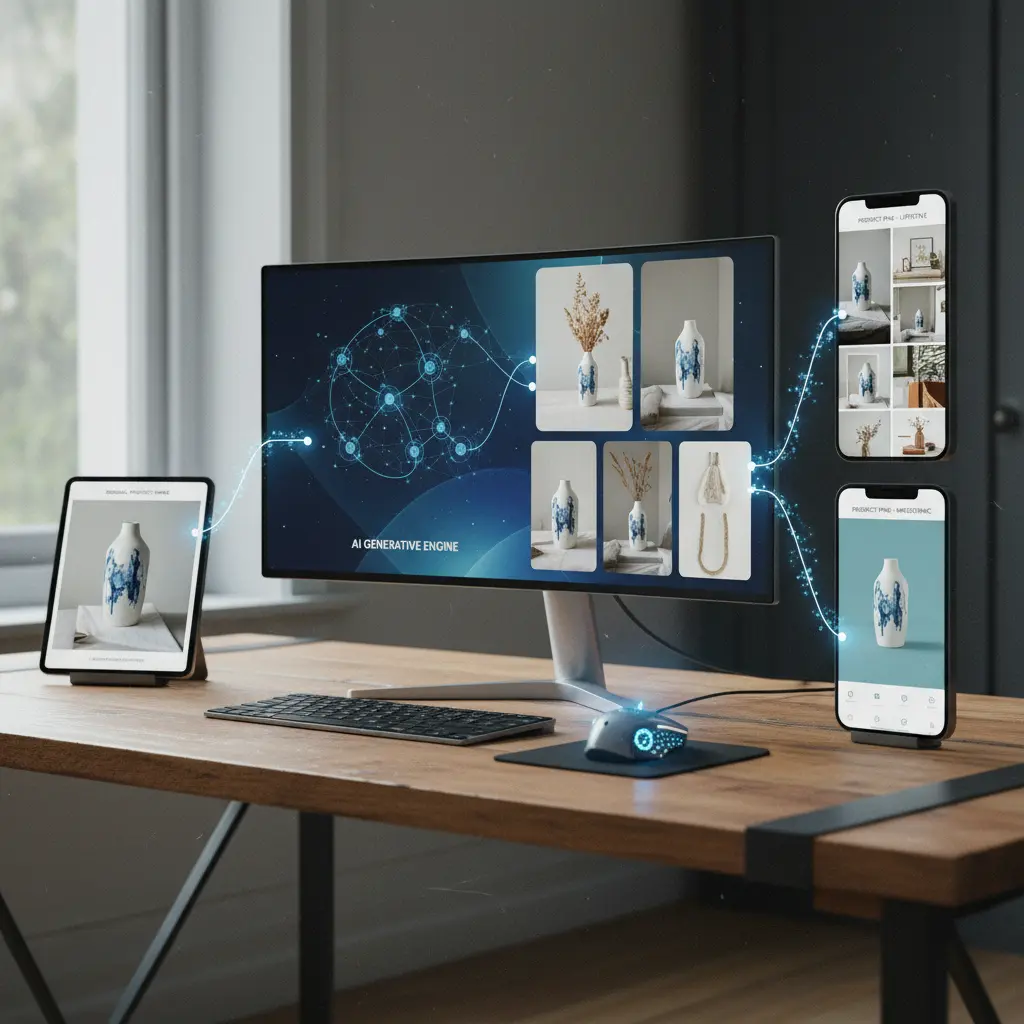
Creating Diverse Pin Visuals from Existing Assets
Many ecommerce businesses possess a wealth of existing product photography but struggle to adapt these static images for diverse marketing channels like Pinterest. Many ecommerce businesses possess a wealth of existing product photography but struggle to adapt these static images for diverse marketing channels like Pinterest. AI platforms transform these core product photos into new, engaging Pinterest pins. Instead of commissioning new photoshoots for every campaign or aesthetic shift, brands can leverage AI to create an endless variety of backgrounds, contexts, and virtual models. This capability is especially valuable for seasonal promotions, holiday themes, or targeting different customer segments with specific lifestyle imagery. Consider an apparel brand launching a new summer collection. They can use their core product shots and, with AI, instantly generate images featuring models by a beach, at a picnic, or exploring a city, all while wearing the new collection. This method saves substantial resources while ensuring a consistent brand aesthetic across all new creatives. It also allows for quick experimentation with different visual styles, testing what resonates best with Pinterest's visually-driven audience, ultimately improving engagement and conversion rates.
How AI Optimizes for Pinterest's Visual Search
Pinterest's algorithm prioritizes fresh, relevant, and high-quality visuals to connect users with products and ideas. Pinterest's algorithm prioritizes fresh, relevant, and high-quality visuals to connect users with products and ideas. To rank effectively and gain visibility, pins need strong visual appeal and appropriate metadata. AI assists in both critical aspects. Beyond generating appealing images, AI can analyze current visual trends on Pinterest and suggest creative directions that align with popular searches. For example, if 'coastal grandmother decor' is trending, an AI tool can place a brand's home goods products into a coastal-inspired setting, making them significantly more discoverable. The diverse variations AI produces also provide more opportunities for unique pin descriptions and keyword optimization. Instead of one general pin, a brand can have several, each optimized for different long-tail keywords and visual cues, increasing their surface area in search results. This granular approach to creative generation and keyword pairing can substantially improve visibility and click-through rates, leading to greater organic traffic to product pages. For a comprehensive strategy, consider exploring the full Pinterest Product Creative Workflow with AI.
Localizing Creatives for International Pinterest Audiences
Reaching international markets on Pinterest requires more than just translating text; it demands visually resonant content. Reaching international markets on Pinterest requires more than just translating text; it demands visually resonant content. What appeals to a user in Germany may differ significantly from someone in Japan, or even from one region to another within the same country. AI empowers brands to localize product visuals efficiently and at scale. For a beauty brand expanding into Europe, AI can generate lifestyle images featuring virtual models with diverse ethnic backgrounds, culturally appropriate settings, and local fashion trends. This ensures that a pin for a skincare product feels authentic and relevant to a French audience, a Spanish audience, and so on. This level of visual customization was previously cost-prohibitive for many businesses. Now, with AI, brands can avoid generic global creatives, which often fail to connect, and instead offer culturally nuanced visuals that foster stronger engagement and trust with specific regional audiences. For more in-depth guidance on this topic, refer to How to Localize Ecommerce Product Creatives for Global Markets with AI.
A/B Testing AI-Generated Pins for Performance
Effective Pinterest marketing relies heavily on continuous optimization through A/B testing. Effective Pinterest marketing relies heavily on continuous optimization through A/B testing. AI-generated creatives streamline this process by providing an endless supply of variations to test with minimal effort. Marketers can easily generate multiple versions of a product pin-different virtual models, diverse backgrounds, varied angles, or even distinct color palettes-and then launch them in A/B tests to determine which resonates most with their target audience. This allows for rapid iteration and data-driven decisions that improve campaign ROI. For example, an outdoor gear company might test a pin featuring a tent in a mountain setting versus a forest setting. Alternatively, they could test different model demographics or activities shown. The ability to quickly generate numerous distinct yet visually consistent assets means brands can identify top-performing creatives faster, allocating budget to what works best and continuously improving their conversion funnels. This iterative testing is crucial for maximizing both ad spend and organic reach on Pinterest.
Turning Static Product Images into Engaging Video Pins
Video content is increasingly dominant across all social platforms, including Pinterest, where video pins often capture more attention than static images. Video content is increasingly dominant across all social platforms, including Pinterest, where video pins often capture more attention than static images. AI tools bridge the gap between existing static product photography and engaging video pins. Without filming new footage, brands can use AI to animate product images, add subtle movements, or even create short, dynamic product demonstrations from a series of still shots. This capability is a game-changer for ecommerce businesses looking to diversify their content without the high cost and complexity of traditional video production. A shoe brand could take a studio shot of their latest sneaker and use AI to create a subtle animation showing light reflecting off the material, or a quick pan around the shoe. This brings the product to life on the feed, enhancing visual interest and providing more information than a static image alone. Discover more about this process in How to Turn Product Images into TikTok, Reels, and PDP Videos with AI.
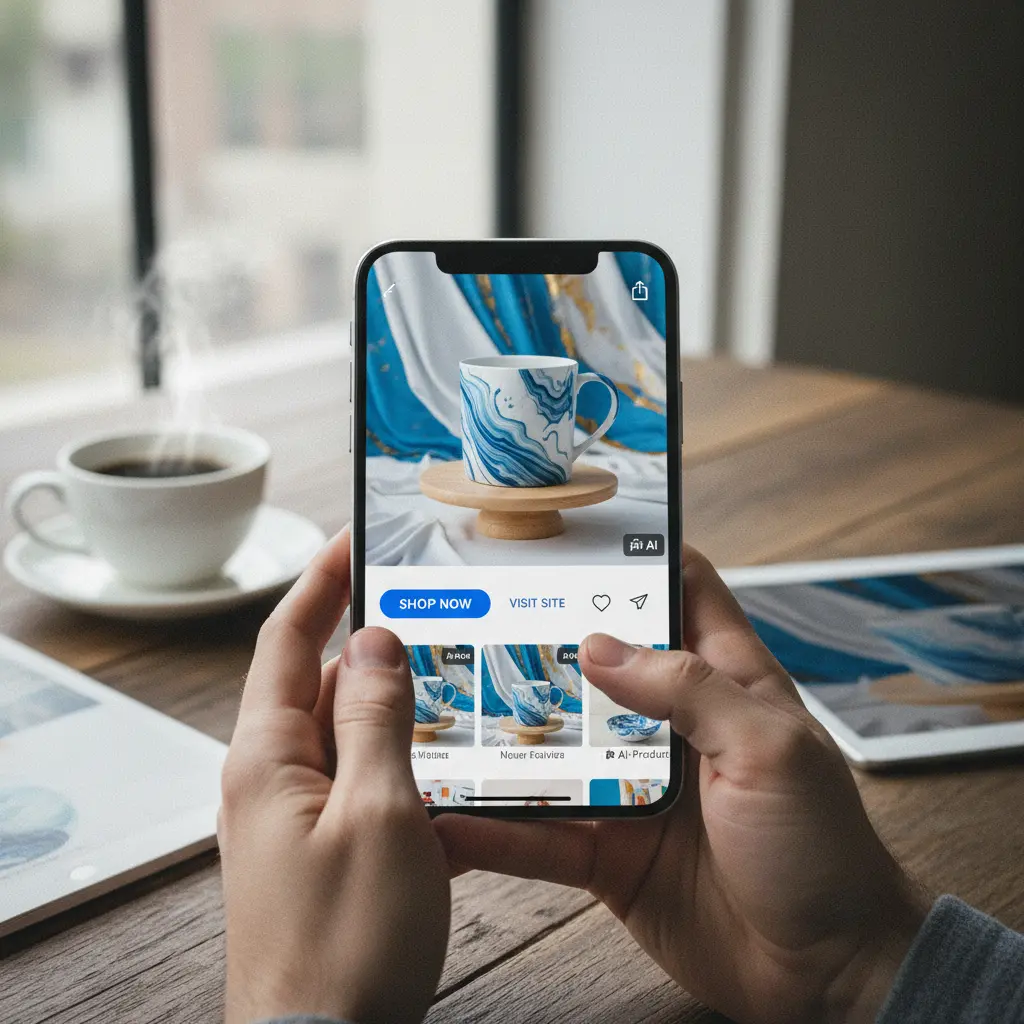
Implementing AI Creatives into Your Pinterest Strategy
The strategic implementation of AI-generated visuals into your Pinterest efforts involves more than just content creation; it requires a structured approach. The strategic implementation of AI-generated visuals into your Pinterest efforts involves more than just content creation; it requires a structured approach. Here is a practical workflow to guide the process:
- Identify Content Gaps: Analyze your current Pinterest performance to pinpoint specific areas where new visuals could significantly improve engagement (e.g., low click-through rates on particular product categories, lack of seasonal content, or outdated imagery).
- Input Existing Assets: Upload your high-quality product images to an AI creative platform like My UGC Studio. Images with strong contrast and clean, isolated product shots often yield the best results for AI processing.
- Define Creative Briefs: Provide clear, detailed prompts to the AI, specifying desired contexts, virtual models, and aesthetic styles (e.g., 'minimalist kitchen setup,' 'model jogging in an urban park,' 'vintage-inspired living room decor').
- Generate and Refine: Produce an initial batch of diverse creatives. Select the best options and iterate on your prompts for further refinement until the visuals align perfectly with your campaign goals and brand identity.
- Optimize and Publish: Add compelling titles, detailed descriptions with relevant keywords, and appropriate hashtags to each pin. Link directly to specific product pages on your Shopify store or relevant marketplace listings.
- Monitor and Adapt: Track pin performance using Pinterest Analytics. Identify top-performing creatives, analyze user interactions, and use these insights to inform future AI generation, continuously optimizing your strategy for better results.
Avoiding Common Pitfalls with AI-Powered Pinterest Visuals
While AI offers immense advantages for generating Pinterest creatives, certain pitfalls can undermine its effectiveness if not carefully managed. While AI offers immense advantages for generating Pinterest creatives, certain pitfalls can undermine its effectiveness if not carefully managed. One common mistake is an over-reliance on generic AI templates without sufficient customization, which often results in visuals that lack a unique brand identity. Avoiding this means taking the time to refine AI prompts and selecting output that genuinely aligns with your brand's specific aesthetic and messaging. Another crucial error is neglecting keyword optimization; even the most stunning AI-generated pin will struggle to perform if it is not discoverable through relevant search terms. Always pair strong visuals with accurate, searchable descriptions and tags. Additionally, brands sometimes fail to maintain visual consistency when generating diverse pins, leading to a fragmented or disjointed brand presence. Use AI to create variations within a clearly defined style guide, rather than just producing random images. Lastly, failing to A/B test different AI-generated creatives represents a missed opportunity to optimize. Always measure performance to understand what truly resonates with your audience and adjust your strategy accordingly. For broader insights on efficient scaling, refer to Scaling Ecommerce Creatives with AI Workflows in 2026: The Ultimate Guide.

Practical Scenarios for Enhancing Pinterest Creatives
Here are practical applications for using AI to enhance your Pinterest presence across different ecommerce contexts: Here are practical applications for using AI to enhance your Pinterest presence across different ecommerce contexts:
| Use Case | Best Creative Approach | What To Avoid |
|---|---|---|
| New Product Launch (Fashion) | Generate pins showing the product on diverse virtual models in various aspirational lifestyle settings. Focus on outfits for different occasions. | Using only static studio shots or generic white backgrounds; failing to show product in context. |
| Seasonal Campaign (Home Decor) | Produce pins with the product styled in holiday-themed or seasonal home environments. Vary lighting and decor elements to match the mood. | Recycling last year's pins without updates, or using irrelevant seasonal imagery that feels forced. |
| Evergreen Content Refresh (Skincare) | Create pins showcasing product benefits with diverse virtual models and subtle texture/application shots. Experiment with soft, natural lighting for a premium feel. | Clinical-looking imagery that lacks relatability or lifestyle context; generic before/after photos. |
| Localization for EU Market (Electronics) | Generate pins featuring the product in realistic European homes or urban settings, with virtual models reflecting local demographics and styles. | Using only US-centric imagery for an EU audience; ignoring cultural nuances in visual storytelling. |
| Driving Traffic to Blog Posts (Recipe Site) | Produce visually enticing pins of the finished dish, with close-ups of ingredients or plating. Focus on vibrant colors and appealing textures to stimulate appetite. | Low-quality food photography or images that don't make the food appealing; generic stock photos. |
| Promoting Sales Events (Any Category) | Create pins with clear product focus and subtle sales overlays or promotional text. Use eye-catching colors that stand out without being overwhelming. | Overly busy designs or hard-to-read promotional text that clutters the visual message. |
| User-Generated Content Style (Jewelry) | Generate pins mimicking authentic UGC-style photos, showing products worn by diverse 'users' in natural, everyday moments and casual settings. | Staged, overly polished photos that don't feel genuine or relatable to the target audience. |
| Re-engaging Past Customers (Beauty) | Produce pins that highlight new ways to use an existing product, or show it paired with complementary items, creating fresh ideas and value propositions. | Repurposing old, unchanged product pins that customers have already seen, leading to creative fatigue. |
Practical Scenarios for Refreshing Pinterest Creatives
1. Shopify Product Page Refresh for New Season:
- Situation: A sustainable fashion brand has new seasonal inventory for their Shopify storefront and requires fresh pins for their best-selling dresses to capture seasonal interest.
- Recommended Creative Approach: Use AI to place the dresses on diverse virtual models in outdoor, nature-inspired settings (e.g., a field of wildflowers, a rustic cabin backdrop) that align with the brand's sustainable ethos.
- Alternative Option: Generate flat lay images with seasonal accessories, maintaining a clean, minimalist aesthetic that highlights product details.
- What to Avoid: Repurposing old pins from previous seasons or using generic studio shots that don't convey the brand's unique story or current collection.
- Short Explanation: Fresh seasonal lifestyle images drive early engagement and reflect new inventory, encouraging clicks and purchases.
2. Amazon Listing Image Update for Lifestyle Focus:
- Situation: A kitchenware brand wants to enhance their Amazon listings with more inspiring lifestyle images that show products in use, without the expense of a full photoshoot.
- Recommended Creative Approach: Take existing product-on-white images and use AI to seamlessly place them into realistic kitchen scenes - a bustling breakfast preparation, a quiet evening meal setup, or an active baking session.
- Alternative Option: Create a series of before-and-after pins showing the convenience or transformative power of the product in a typical kitchen workflow.
- What to Avoid: Sticking to only product-on-white images that fail to demonstrate practical use or foster an emotional connection with the potential buyer.
- Short Explanation: Lifestyle images help customers visualize the product in their own home, boosting emotional appeal and conversion rates.
3. eBay Listing Revamp Without Photoshoot:
- Situation: A vintage electronics seller on eBay needs to modernize their listings to attract more buyers, but cannot afford professional photography for every unique item in their inventory.
- Recommended Creative Approach: Utilize AI to place vintage radios or cameras in stylish, retro-themed settings, or generate minimalist product shots with atmospheric lighting that enhances their unique aesthetic.
- Alternative Option: Create pins with a modern, clean background that highlights the product's design, effectively removing cluttered or outdated backdrops from original photos.
- What to Avoid: Listing items with poor lighting, distracting backgrounds, or inconsistent imagery that detracts from the product's perceived value.
- Short Explanation: Elevated visuals make even vintage items more desirable and trustworthy to online buyers, increasing bid and purchase rates.
4. TikTok Short-Form Ad Test (Image-to-Video):
- Situation: A direct-to-consumer beauty brand wants to test short-form video ads for a new serum on TikTok, but currently only possesses static product images.
- Recommended Creative Approach: Animate existing product images using AI to create dynamic video pins that show subtle movement, highlight key ingredients, or feature 'satisfying' application visuals. See more on this in How to Turn Product Images into TikTok, Reels, and PDP Videos with AI.
- Alternative Option: Create a stop-motion style video pin using a sequence of AI-generated images that display the product from different angles or in various usage scenarios.
- What to Avoid: Using static images on video-first platforms or overly complex, distracting animations that detract from the product's benefits.
- Short Explanation: Video pins capture attention faster on platforms like TikTok and Pinterest, driving higher engagement and click-through rates.
5. Pinterest Creative Batch for Catalog Promotion:
- Situation: A large home goods retailer is promoting its new catalog and requires hundreds of unique Pinterest pins for various product categories to maximize reach.
- Recommended Creative Approach: Use AI to generate diverse pins for each product, placing items in different room styles (e.g., modern, bohemian, traditional) to appeal to a broad audience searching for home inspiration. Consider a deep dive into Shopify Product Page Images with AI for conversion-focused ideas.
- Alternative Option: Batch-generate pins highlighting specific features or close-ups of high-value items, with complementary lifestyle elements to draw attention.
- What to Avoid: Creating only a few generic pins for an entire catalog, which severely limits discoverability and appeal across Pinterest's vast user base.
- Short Explanation: High-volume, diverse pins ensure maximum visibility and relevance across Pinterest, driving traffic to various catalog sections.
6. Localization Rollout for EU Market (Apparel):
- Situation: An online apparel brand is expanding its presence in the EU and needs product pins that resonate with local fashion trends and demographics to ensure market penetration.
- Recommended Creative Approach: Leverage AI to generate images featuring virtual models with diverse European features wearing the clothing in recognizable European street-style or landmark backdrops that feel authentic.
- Alternative Option: Create pins showcasing clothing items styled for different European seasons or cultural events, demonstrating versatility and local relevance.
- What to Avoid: Using only models and settings that are clearly non-European, which can alienate local audiences and reduce perceived relevance.
- Short Explanation: Culturally relevant visuals build trust and appeal, directly impacting conversion rates and brand acceptance in new international markets.