Why Generic Supplier Photos Hurt Your Dropshipping Business
Dropshippers often rely on product photos provided by their suppliers. Dropshippers often rely on product photos provided by their suppliers. While convenient, this practice leads to a sea of identical listings across multiple stores, making it nearly impossible for any single store to stand out. Customers see the same bland images repeatedly, diminishing trust and making price the only differentiating factor. This lack of unique visual identity translates directly into lower click-through rates (CTR) on ads and significantly reduced conversion rates on product pages.
Scenario 1: New Product Launch with Standard Supplier Images
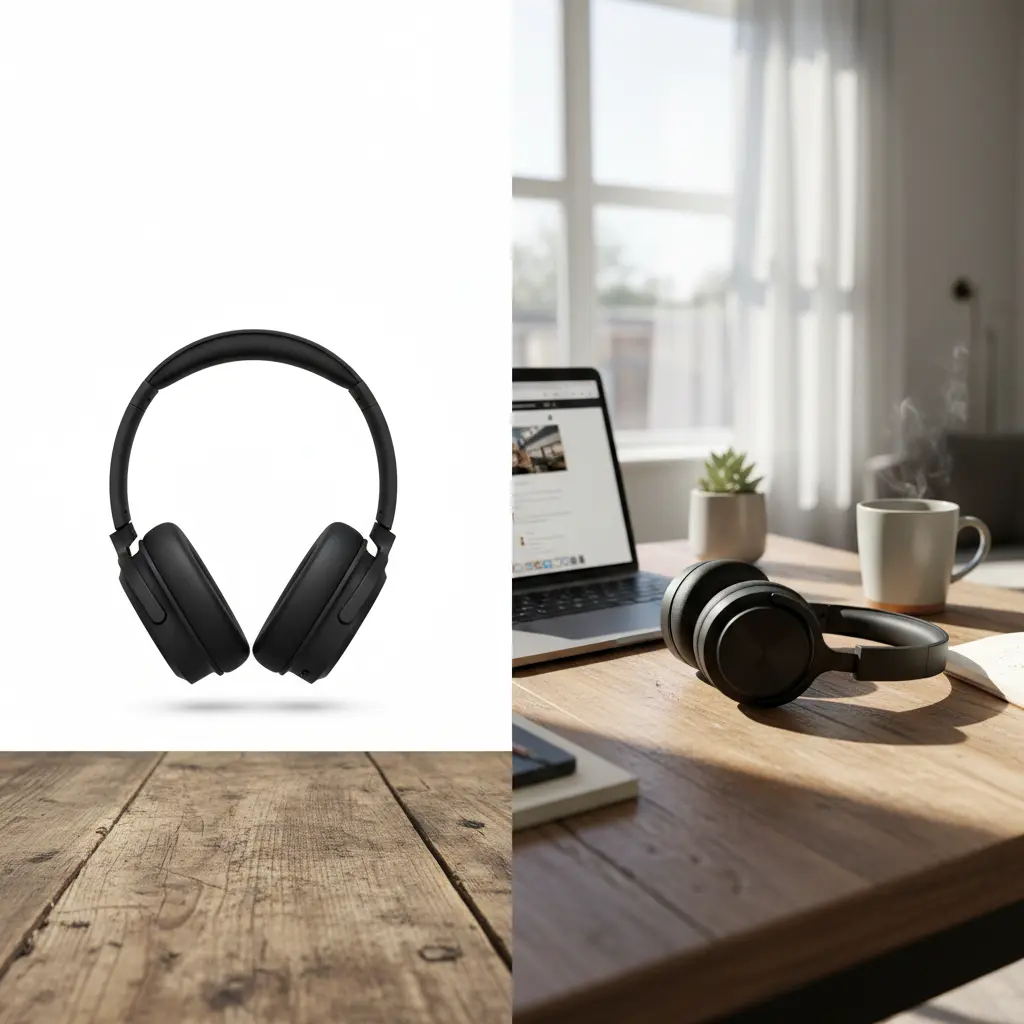
Situation: You are launching a trending gadget, but your supplier only provides a few white-background shots that countless other sellers also use.
Creative Approach: Utilize AI to place the gadget in dynamic lifestyle settings. Show people actively using the product in everyday scenarios, such as a home office, a park, or a cafe. This immediately conveys value and differentiates your offering.
Alternative: You could create a simple infographic highlighting product features using text overlays on the white background. However, this often lacks the emotional connection and aspirational appeal that lifestyle images provide.
What to Avoid: Publishing the product with only the generic supplier images. This makes your listing indistinguishable from hundreds of competitors and leaves potential customers with no compelling reason to choose your store.
Explanation: Unique and engaging visuals are critical for standing out in a crowded market and building perceived value from the moment a customer encounters your product.
Leveraging AI to Transform Basic Product Images
Artificial intelligence offers a robust solution for dropshippers looking to elevate their product visuals without investing in traditional photography. Artificial intelligence offers a robust solution for dropshippers looking to elevate their product visuals without investing in traditional photography. AI tools can perform sophisticated tasks like precise background removal, intelligent object placement, and full scene generation. This means a bland product image on a plain white background can be instantly transformed into a captivating visual set in a realistic, aspirational environment.
The primary advantage lies in the speed and cost-efficiency. What once required hours of manual editing or expensive photoshoots can now be accomplished in minutes at a fraction of the cost. Platforms like My UGC Studio specialize in these transformations, enabling rapid iteration and testing of different visual concepts.
Scenario 2: Shopify Product Page Refresh
Situation: An existing Shopify product page for a home decor item uses outdated, poor-quality photos that fail to inspire.
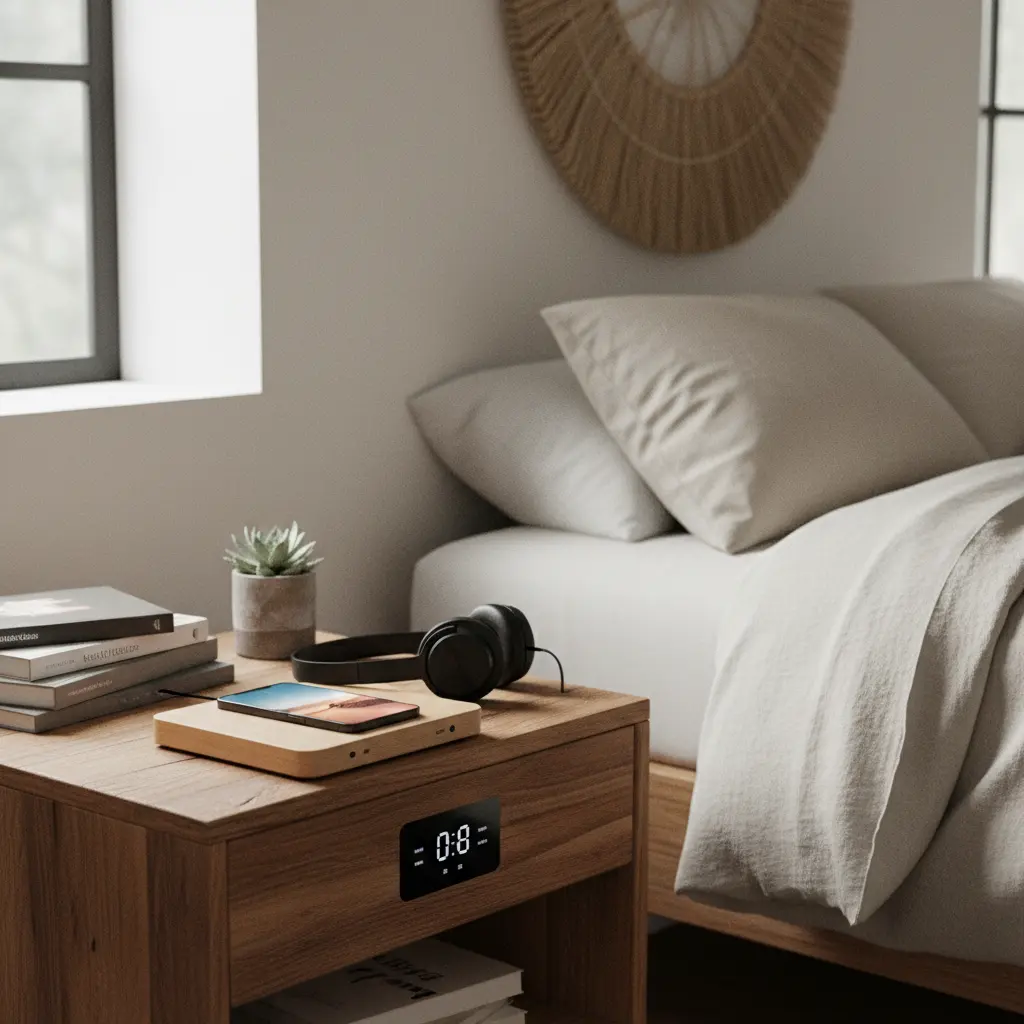
Creative Approach: Upload the existing product photos to an AI platform. Generate a series of new lifestyle images depicting the item in various stylish settings, such as a minimalist living room, a cozy bedroom, or even an elegant outdoor patio. This helps customers visualize how the product fits into their own space. Explore how AI can optimize your Shopify visuals at /blog/shopify-product-page-images-ai-2026.html.
Alternative: Manually editing the existing photos would be time-consuming, and the quality of the original images would limit improvements.
What to Avoid: Continuing to rely on low-resolution or generic stock photography that does not feature your exact product or align with your brand's aesthetic.
Explanation: AI allows for rapid production of high-quality visuals, improving product page engagement and perceived value without significant production overhead.
Crafting Lifestyle Images from Simple Product Shots
The ability to create realistic lifestyle images is a game-changer for dropshipping. The ability to create realistic lifestyle images is a game-changer for dropshipping. Instead of just seeing the item, customers want to imagine it in their lives. AI excels at this by generating diverse scenes, adding virtual models, and placing your product in contexts that highlight its benefits and appeal. This method is particularly effective for products where scale, usage, or environment are crucial selling points.
Focus on showing the product in use, rather than just isolated. For instance, a coffee maker can be shown on a chic kitchen counter, with a model pouring coffee, hinting at the morning routine it enhances.
Scenario 3: Amazon Listing Image Update
Situation: You are selling a new kitchen appliance on Amazon, and your only available images are basic, studio-style product cutouts.
Creative Approach: Utilize AI to create images that depict the appliance in an active kitchen environment. Show hands interacting with the appliance, or a partially prepared dish next to it, to convey its utility. Include a 'hero shot' where a virtual model demonstrates its key function. This approach effectively communicates value to potential buyers. For more tips on enhancing marketplace visuals, refer to /blog/ebay-listing-images-ai-no-photoshoot.html.
Alternative: Hiring a professional product photographer would be expensive and slow, often exceeding the profit margins typical of dropshipping.
What to Avoid: Over-reliance on infographic-heavy images that focus solely on technical specifications without illustrating the product's practical benefits or how it fits into a customer's life.
Explanation: Lifestyle images on platforms like Amazon are essential for driving aspiration and helping customers visualize the product in their home, directly influencing purchasing decisions.
Integrating UGC-Style Visuals for Trust and Authenticity
User-generated content (UGC) is a powerful tool for building trust and authenticity in ecommerce. User-generated content (UGC) is a powerful tool for building trust and authenticity in ecommerce. Customers naturally gravitate towards content that feels real and relatable. While obtaining actual UGC can be challenging for dropshippers, AI now allows for the creation of UGC-style content that mimics genuine user submissions. This involves generating visuals that feature diverse virtual models in realistic, often less-polished settings, making the product appear more accessible and desirable.
The key is to embrace a natural, imperfect aesthetic that contrasts with highly polished studio shots. This type of content resonates strongly on social media platforms, providing valuable social proof even when generated artificially. For a comprehensive strategy, review /blog/ugc-content-in-dropshipping-30-day-content-plan-for-product-pages-and-paid-ads.html.
Scenario 4: TikTok Short-Form Ad Test
Situation: You are planning a TikTok ad campaign for a new beauty product, but your only assets are highly polished studio photos.
Creative Approach: Use AI to generate UGC-style video clips or static images. Feature virtual models with diverse demographics applying the product in informal, everyday settings, such as a bathroom mirror or while getting ready for a night out. This creates content that feels native to the platform.
Alternative: Purchasing generic stock video can often look inauthentic and fail to capture the genuine feel required for TikTok.
What to Avoid: Using overly produced, glossy visuals that appear out of place on platforms like TikTok, which prioritize raw, genuine, and relatable content.
Explanation: UGC-style content typically performs significantly better on social platforms due to its inherent authenticity and relatability, fostering stronger engagement and conversion.
Optimizing Visuals for Specific Channels and Markets
Effective visual strategy in dropshipping extends beyond just creating appealing images; it requires tailoring content for specific platforms and target markets. Effective visual strategy in dropshipping extends beyond just creating appealing images; it requires tailoring content for specific platforms and target markets. Each sales channel-be it Shopify, Amazon, eBay, or social media-has unique requirements for image aspect ratios, resolution, and content style. Similarly, localizing visuals for different geographic markets involves adapting models, settings, and cultural cues to resonate deeply with local audiences. This precision enhances relevance and significantly boosts conversion rates.
| Visual Asset Type | Dropshipping Use Case | Creative Approach (Without Photoshoot) | What To Avoid |
|---|---|---|---|
| Standard Product Photo | Shopify Product Detail Page (PDP) | AI background removal, placement in relevant lifestyle context. | Overly cluttered or inconsistent backgrounds. |
| Lifestyle Image | Social Media Ads (Facebook, Instagram) | AI model integration, dynamic scenes showing product use. | Generic stock photos that do not feature the actual product. |
| Infographic/Feature Callout | Amazon A+ Content / eBay Listings | AI-generated scenes with clear text overlays highlighting benefits. | Too much text, small fonts, or difficult-to-read graphics. |
| UGC-Style Creative | TikTok / Reels / YouTube Shorts | AI-generated casual use cases, diverse models, raw aesthetic. | Highly polished studio shots that feel unnatural on social media. |
| Localized Visual | Expanding to EU or Asian Markets | AI models with regional features, local architectural or natural settings. | Ignoring cultural context, using only US-centric imagery for global markets. |
| Image to Video | Paid Social Ads / Product Page Videos | AI animates static product photo into short, dynamic video clips. (/blog/generate-product-videos-from-images-ai-2026.html) | Only using static images when video could enhance engagement. |
| Before-After Comparison | Problem/Solution Products (e.g., skincare, cleaning) | AI creates compelling 'before' scenario, then 'after' with product effect. | Unrealistic transformations or misleading visual claims. |
| Scale/Dimension Shot | Technical Products / Apparel | AI places product next to common objects or models for accurate size depiction. | Providing no sense of scale, leaving customers guessing about size. |
Geo-Targeted Visuals with AI
AI can dynamically adapt your product visuals for specific regions, which is especially powerful for international dropshipping. AI can dynamically adapt your product visuals for specific regions, which is especially powerful for international dropshipping. This means generating images featuring models that reflect local demographics, incorporating architecture or natural landscapes specific to a country, or even adjusting color palettes to align with cultural preferences. This tailored approach creates an immediate connection with consumers in different parts of the world, making your product feel less foreign and more relevant.
How Can You Maintain Brand Consistency Across Diverse Visuals?
Generating a large volume of diverse images using AI introduces a potential challenge: maintaining a consistent brand identity. Generating a large volume of diverse images using AI introduces a potential challenge: maintaining a consistent brand identity. Without proper guidance, AI can produce visuals that deviate from your established aesthetic. The solution lies in defining clear visual guidelines and leveraging AI's ability to adhere to specific artistic styles. This involves creating detailed prompts for the AI, specifying preferred model types, environmental elements, and even color schemes that align with your brand book. Developing a set of visual templates within your AI tool can further ensure uniformity across all generated assets.
Scenario 5: Localization Rollout for EU Market
Situation: Your clothing brand, primarily targeting the US market, is expanding into Germany and France. Current lifestyle images feature American models in Californian settings.
Creative Approach: Use AI to generate new lifestyle images that prominently feature virtual models representing European demographics. Place these models in settings that evoke European cities or countryside, using natural lighting and fashion styles relevant to the region. This creates an immediate cultural connection. For more on localized creatives, check /blog/localized-ad-creatives-global-markets-2026.html.
Alternative: Using generic 'international' models might broaden appeal but lacks the specific resonance that localized visuals offer.
What to Avoid: Simply translating product descriptions without also adapting visuals. This can alienate local customers who may not feel represented or understood by your brand.
Explanation: Culturally relevant visuals significantly enhance engagement and conversion rates in new international markets by making the product feel more native and approachable.
The Role of Video in Dropshipping Product Pages
Video content is no longer a luxury but a necessity for engaging online shoppers. Video content is no longer a luxury but a necessity for engaging online shoppers. Studies consistently show that product pages with video experience higher engagement, longer time-on-page, and significantly better conversion rates. For dropshippers, creating video historically meant expensive shoots or complex editing. However, AI-powered tools now make it simple to animate static product images into short, dynamic videos perfect for product detail pages (PDPs), TikTok, and Instagram Reels.
These AI-generated videos can add subtle movements, zooms, 3D effects, or even showcase a product from multiple angles, all derived from a single image. This ease of production democratizes video content, allowing dropshippers to compete with larger brands in terms of visual richness.
Scenario 6: Converting Static Product Photos to Video
Situation: A dropshipper wants to add engaging videos to their Shopify product pages to boost conversions but lacks any video content.
Creative Approach: Utilize an AI tool to animate existing product photos. This can involve adding subtle pan-and-zoom effects, rotating the product in a simulated 3D space, or creating a short montage of different AI-generated lifestyle images. These concise, dynamic clips can serve as the hero media on product pages or as quick social media ads.
Alternative: Creating simple slideshow videos from static images, which, while better than nothing, are far less dynamic and engaging than AI-animated content.
What to Avoid: Neglecting video entirely, especially for products where demonstrating motion, texture, or usage is critical for conveying its full benefit.
Explanation: AI-generated product videos capture attention more effectively than static images, convey product benefits with greater impact, and directly contribute to higher conversion rates by offering a richer viewing experience.

Scaling Your Visual Content Pipeline on a Budget
For dropshippers operating on tight margins, the cost-effectiveness and scalability of AI-powered visual content are transformative. For dropshippers operating on tight margins, the cost-effectiveness and scalability of AI-powered visual content are transformative. AI eliminates the need for expensive studio rentals, models, photographers, and extensive post-production, drastically reducing the cost per asset. This allows for rapid production of diverse visuals, enabling continuous A/B testing and optimization without breaking the bank. The ability to generate hundreds of unique creatives from a single product image means dropshippers can experiment with different aesthetics, target audiences, and marketing messages at an unprecedented scale, significantly improving ROI.
Here is a practical workflow to implement AI-driven visual content:
- Audit Current Assets: Start by gathering all existing product photos, regardless of quality. Even low-resolution images can often be enhanced by AI.
- Define Brand Aesthetic: Clearly establish your desired visual style, preferred virtual models, environmental settings, and color palettes to guide AI generation.
- Prioritize High-Impact Pages: Begin by refreshing visuals for your top-selling products, new launches, or pages with high traffic but low conversion rates.
- Batch Process: Utilize AI tools to generate multiple visual variations (e.g., different backgrounds, models, or angles) simultaneously to create a rich content library.
- A/B Test Continuously: Deploy new visuals on your product pages and advertising campaigns, then track their performance. Use data to identify which creatives resonate most with your audience.
- Integrate Video: Convert key static images into short, engaging videos for product pages and social media to capture more attention.
- Explore Localization: As you expand into new geographic markets, leverage AI to adapt visuals with local models and cultural settings to maximize regional impact.