The Challenge of Generic Dropshipping Images
Many dropshipping businesses start with product images provided directly by their suppliers. Many dropshipping businesses start with product images provided directly by their suppliers. While convenient, these visuals often lack originality, consistency, and a distinct brand voice. When multiple sellers use the exact same photos, it becomes nearly impossible to differentiate one offering from another, leading to a race to the bottom on price. Consumers also associate generic imagery with lower quality or less trustworthy brands. A product might be excellent, but if its visual representation is identical to dozens of other listings, it fails to capture attention or build a unique appeal. This pervasive issue creates a visual indistinguishability across various storefronts and marketplaces. Beyond simply looking alike, generic visuals often fail to highlight specific product benefits, unique selling propositions, or the intended lifestyle of the target customer. They lack the persuasive power that thoughtfully designed, branded content possesses. Consequently, dropshippers relying solely on supplier assets miss critical opportunities to build a recognizable brand, foster customer loyalty, and command premium pricing. The inherent trust deficit created by uninspired imagery demands a proactive approach to visual content.
Why Branded Visuals Matter for Dropshippers
Establishing a strong visual brand is critical for dropshippers aiming for long-term success, moving beyond simply reselling commodity items. Establishing a strong visual brand is critical for dropshippers aiming for long-term success, moving beyond simply reselling commodity items. Branded visuals communicate professionalism, build trust, and create an emotional connection with potential buyers. When product images reflect a consistent aesthetic, tone, and quality, they tell a story about the brand behind the product. This perception of a well-defined brand can justify higher prices, encourage repeat purchases, and foster a loyal customer base. For instance, a dropshipper selling minimalist home decor will benefit immensely from images that reflect that aesthetic, rather than generic shots that could fit any store. Beyond aesthetics, branded visuals play a direct role in conversion optimization. High-quality, unique images signal care and attention to detail, implying a superior product and customer experience. This can significantly reduce bounce rates on product pages and increase the likelihood of a purchase. For a dropshipper selling fitness equipment, branded images might show the product in an active, aspirational setting with diverse users, reinforcing a brand message of health and empowerment, far beyond a simple product shot on a white background. This strategic visual storytelling resonates deeply with the target audience.
Leveraging AI to Transform Supplier Photos
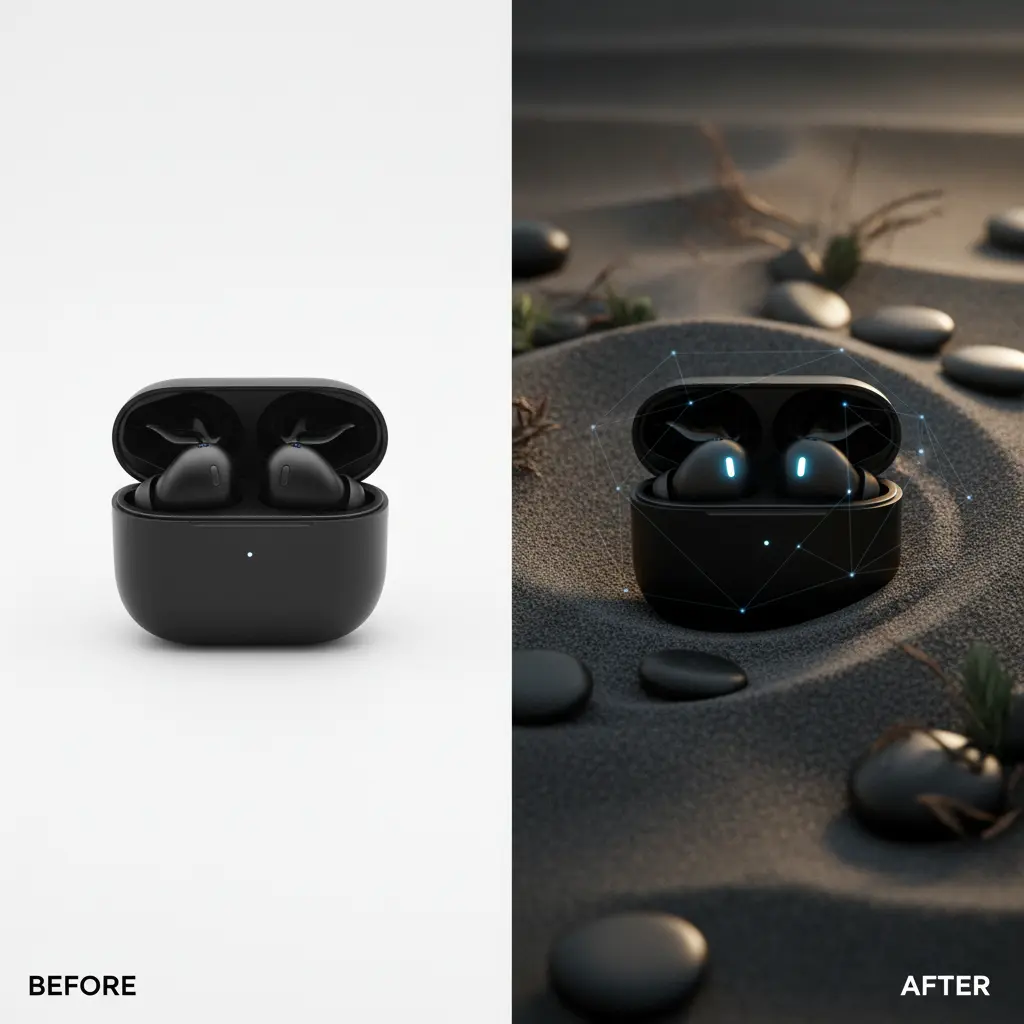
Artificial intelligence offers powerful solutions for dropshippers to overcome the limitations of generic supplier photos without the high cost and time commitment of traditional photoshoots. Artificial intelligence offers powerful solutions for dropshippers to overcome the limitations of generic supplier photos without the high cost and time commitment of traditional photoshoots. AI tools can analyze existing product images and intelligently modify backgrounds, add new elements, adjust lighting, and even place products into realistic lifestyle scenes. This capability allows a dropshipper to take a single, uninspired product shot and generate multiple variations that align with their specific brand aesthetic. For example, a plain white background can be replaced with an urban loft setting, a rustic farmhouse kitchen, or a sleek modern office, depending on the product's target audience. This process not only saves money but also provides creative control, enabling rapid iteration and testing of different visual concepts. Imagine a dropshipper selling unique ceramic mugs. Instead of a bland studio shot, AI can place that mug into a cozy, minimalist cafe setting, complete with warm lighting and a steaming latte. Or for a tech gadget, AI can integrate it seamlessly into a modern desk setup or a sleek travel bag. This capability democratizes professional photography, allowing even small operations to produce agency-level creatives. The rapid nature of AI generation also supports A/B testing of different visual concepts at scale, providing data-driven insights into what resonates most with specific customer segments. This significantly reduces the guesswork in creative production. AI product photography for dropshipping makes professional-grade visuals accessible to all.
Practical AI Workflows for Dropshipping Product Visuals
Practical AI Workflows for Dropshipping Product Visuals.
- Upload Original Supplier Image: Start with the clearest available photo from your supplier. High-contrast images on simple backgrounds typically yield the best AI results.
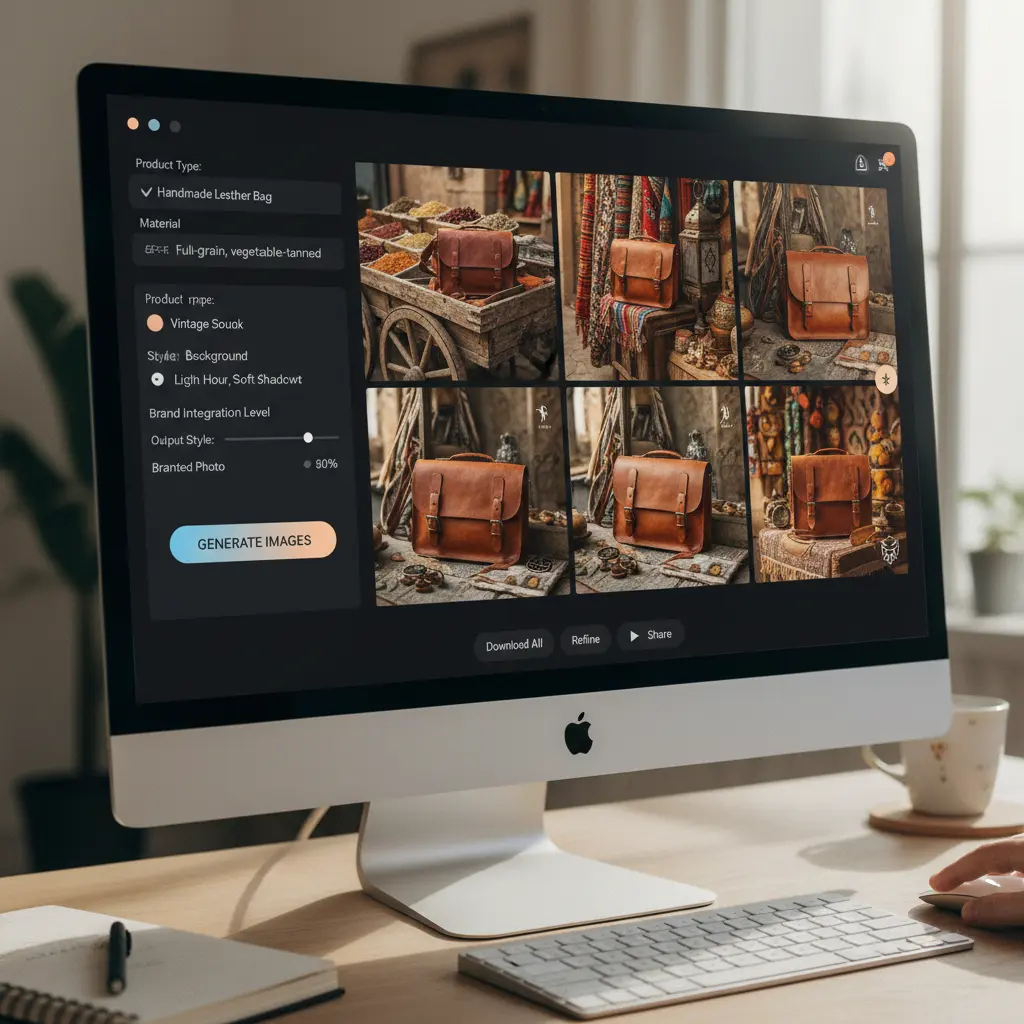
- Define Your Brand Aesthetic and Prompts: Clearly articulate your desired look and feel. Use descriptive prompts like "minimalist kitchen, bright natural light" or "cozy living room, warm ambient lighting" to guide the AI.
- Generate Backgrounds and Scene Elements: Utilize AI to remove the original background and replace it with diverse, on-brand environments. Experiment with various textures, colors, and compositions.
- Integrate Lifestyle & Contextual Elements: Add props, human elements (e.g., hands holding a product), or contextual items that enhance the product's story and demonstrate its use. Tools can even generate User-Generated Content (UGC) style mockups to boost authenticity.
- Review and Refine AI Outputs: Evaluate the generated images for realism, brand alignment, and visual appeal. Make minor adjustments or regenerate elements as needed to achieve perfection.
- Export and Publish: Download the final high-resolution images. Ensure they meet the specific requirements for each platform where they will be published, such as Shopify, Amazon, or social media.
Developing a Unique Visual Brand Identity
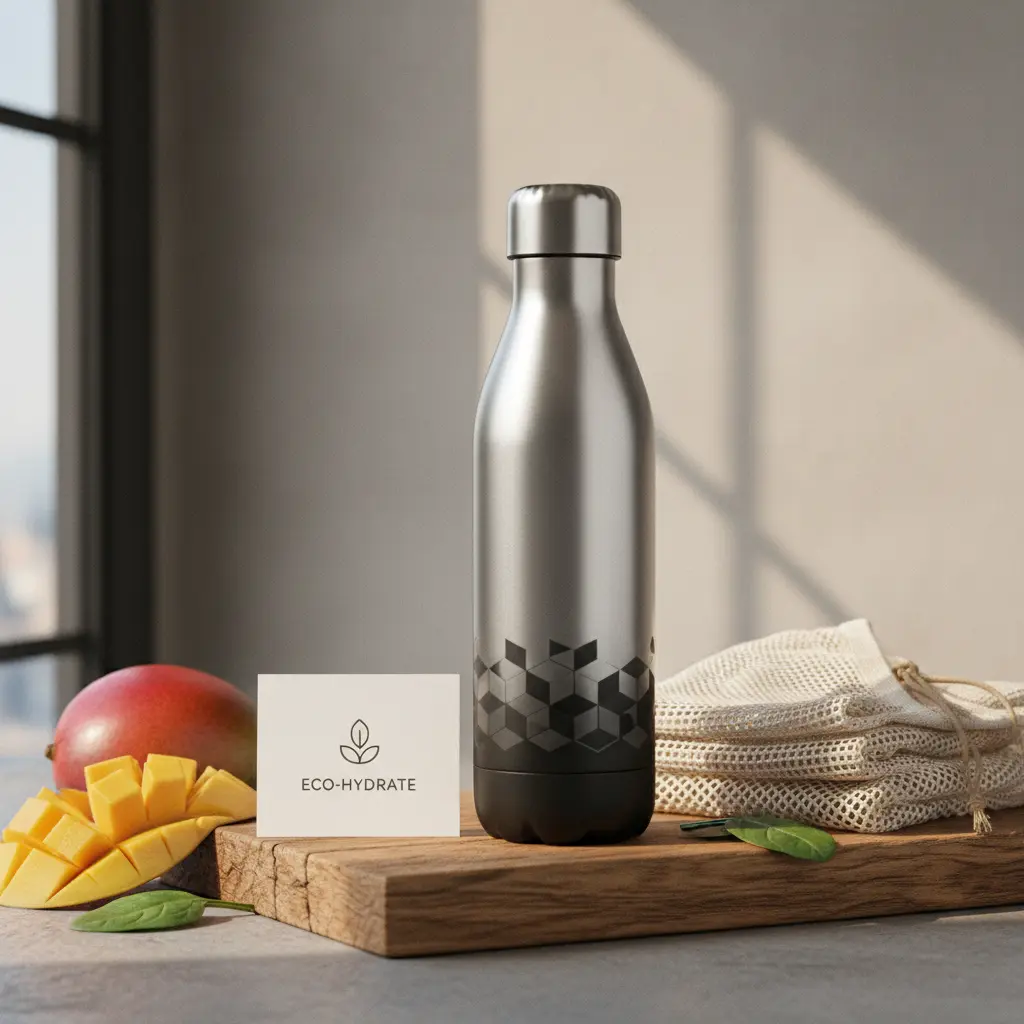
Creating a unique visual brand identity involves more than just swapping backgrounds. Creating a unique visual brand identity involves more than just swapping backgrounds. It requires a cohesive strategy that encompasses color palettes, photography styles, lighting, and the overall mood conveyed by your images. Dropshippers should consider their target audience and the emotions they want to evoke. Are you selling luxury items, aiming for sophistication and elegance? Or are your products fun and playful, requiring vibrant colors and dynamic compositions? Consistency across all visual assets-from product photos on your Shopify store to ads on social media-reinforces your brand. Develop a simple style guide outlining your preferred visual elements, ensuring all AI-generated content adheres to these guidelines. This consistency builds recognition and trust, making your products instantly identifiable and more appealing to your ideal customer. Consider a dropshipper specializing in eco-friendly kitchenware. Their brand identity might revolve around sustainability, natural materials, and minimalist design. Their AI-generated images would consistently feature products in light, airy kitchen environments with natural wood and plants, emphasizing organic textures and earthy tones. Conversely, a dropshipper selling vibrant, playful children's toys would use bright, dynamic images with colorful backdrops and cheerful scenarios. This deliberate choice of visual elements across every customer touchpoint builds a cohesive brand narrative. A clearly defined visual identity simplifies content creation decisions and ensures every image contributes to the overall brand perception. For more on this, explore how to create Shopify product page images with AI.
Optimizing Images for Different Sales Channels
Different sales channels have unique visual requirements and best practices. Different sales channels have unique visual requirements and best practices. An image perfect for a Shopify product page might not perform well on Amazon, or vice versa. Understanding these nuances is key to maximizing conversion rates across all platforms. For instance, Amazon often requires pure white backgrounds for main product images to ensure clarity and consistency across its marketplace. In contrast, Instagram ads thrive on engaging lifestyle shots that blend seamlessly into a user's feed. AI tools allow for rapid adaptation of core product imagery to meet these diverse specifications. This means generating a batch of images from a single source file, each optimized for its intended destination. This multi-channel approach ensures visual assets are always performing their best where they are seen. A compelling scenario involves a dropshipper launching a new line of smart home devices. For their own Shopify store, they might use AI to create a rich gallery of lifestyle images showing the devices integrated into various home settings, highlighting convenience and modern living. Simultaneously, for an Amazon listing, they would generate a primary image with a pristine white background, multiple secondary images showcasing features with infographics, and A+ content visuals emphasizing benefits. For a TikTok campaign, AI could transform these static images into short, dynamic video clips demonstrating the product in action. This tailored approach dramatically increases conversion potential on each platform, as the visuals directly address channel-specific audience expectations and algorithm preferences. You can find more specific guidance for marketplaces in our guide on eBay listing images with AI.
| Use Case | Best Creative Approach | What To Avoid |
|---|---|---|
| Shopify Product Page | AI-generated lifestyle scenes, consistent branding, high-resolution detail shots | Stock photos lacking relevance, inconsistent visual styles, low-quality uploads |
| Amazon Main Image | High-contrast product shot, clear features, pure white background, minimal text | Busy backgrounds, blurry images, excessive text, non-compliant aspect ratios |
| TikTok Ad Creative | Dynamic product videos from images, authentic UGC-style visuals, quick cuts | Static images with long text overlays, overly polished studio shots, non-vertical formats |
| Pinterest Catalog Ads | Aesthetic mood shots, themed collections, vertical pin formats, clear product focus | Single product shots without context, low-resolution pins, generic stock imagery |
| eBay Listing | Clear product views from multiple angles, simple neutral backgrounds, detailed close-ups | Dark or cluttered backgrounds, blurry images, using only one product photo |
| Email Marketing | Personalized product displays, seasonal themes, clean hero images, product in-use shots | Overly promotional graphics, pixelated images, images not relevant to email content |
| International Markets | Localized models and settings (e.g., European models for EU), relevant cultural context | Generic global images, irrelevant lifestyle scenes, unlocalized text within images |
Measuring Impact: Conversion and Engagement Metrics
The effort invested in creating branded product images should translate into measurable business results. The effort invested in creating branded product images should translate into measurable business results. Dropshippers must actively track key performance indicators (KPIs) to understand the effectiveness of their new visuals. Monitor metrics such as click-through rates (CTR) on product listings and ads, conversion rates on product pages, and time spent on page. Additionally, evaluate engagement signals like shares, saves, and comments on social media platforms. A/B testing different image sets can provide direct insights into which visual styles resonate most with your audience. For example, a dropshipper launching a new gadget could A/B test a product page with AI-generated lifestyle images against one with traditional studio shots. If the lifestyle images result in a 15% higher conversion rate and a 20% longer average session duration, this data confirms the effectiveness of the branded visual strategy. Similarly, on paid ad platforms like Facebook or Google, comparing the CTR of different AI-generated ad creatives can reveal which visual angles or settings are most compelling. Continuously monitoring these metrics, perhaps through weekly or monthly reviews, allows for agile adjustments to image styles or prompts. This data-driven feedback loop is essential for refining your visual assets to maximize their commercial impact and ensure consistent brand growth.
Scaling Your Branded Visual Strategy with AI
The true power of AI for dropshipping visuals lies in its ability to scale high-quality content production. The true power of AI for dropshipping visuals lies in its ability to scale high-quality content production. Once a branded aesthetic is defined, AI tools can rapidly generate hundreds or even thousands of unique images, variations, and localized versions from a handful of initial supplier photos. This capability is invaluable for businesses with extensive product catalogs or those expanding into new markets. Instead of hiring multiple photographers or graphic designers for each product, a dropshipper can maintain a consistent brand look across all offerings with minimal effort. This scalability extends to image-to-video workflows, allowing for dynamic ad creatives to be produced quickly. AI streamlines content localization, ensuring that product visuals resonate culturally with diverse global audiences without manual editing for each region. Consider a scenario where a dropshipper needs to localize their product visuals for ten different European markets. Manually sourcing models and settings for each region would be prohibitively expensive and time-consuming. With AI, a single base product image can be rapidly adapted, generating culturally relevant scenes featuring appropriate models and local aesthetics for each market. This drastically cuts down on production cycles and costs. This streamlined process also supports quick content refreshes for seasonal campaigns, new product launches, or simply A/B testing new creative directions. By automating the visual content pipeline, dropshippers can maintain a fresh, engaging, and globally relevant brand presence without compromising on quality or consistency. This efficiency frees up resources, allowing dropshippers to focus on marketing, customer service, and business growth rather than being bogged down by content creation bottlenecks.