Digital Content Dropshipping
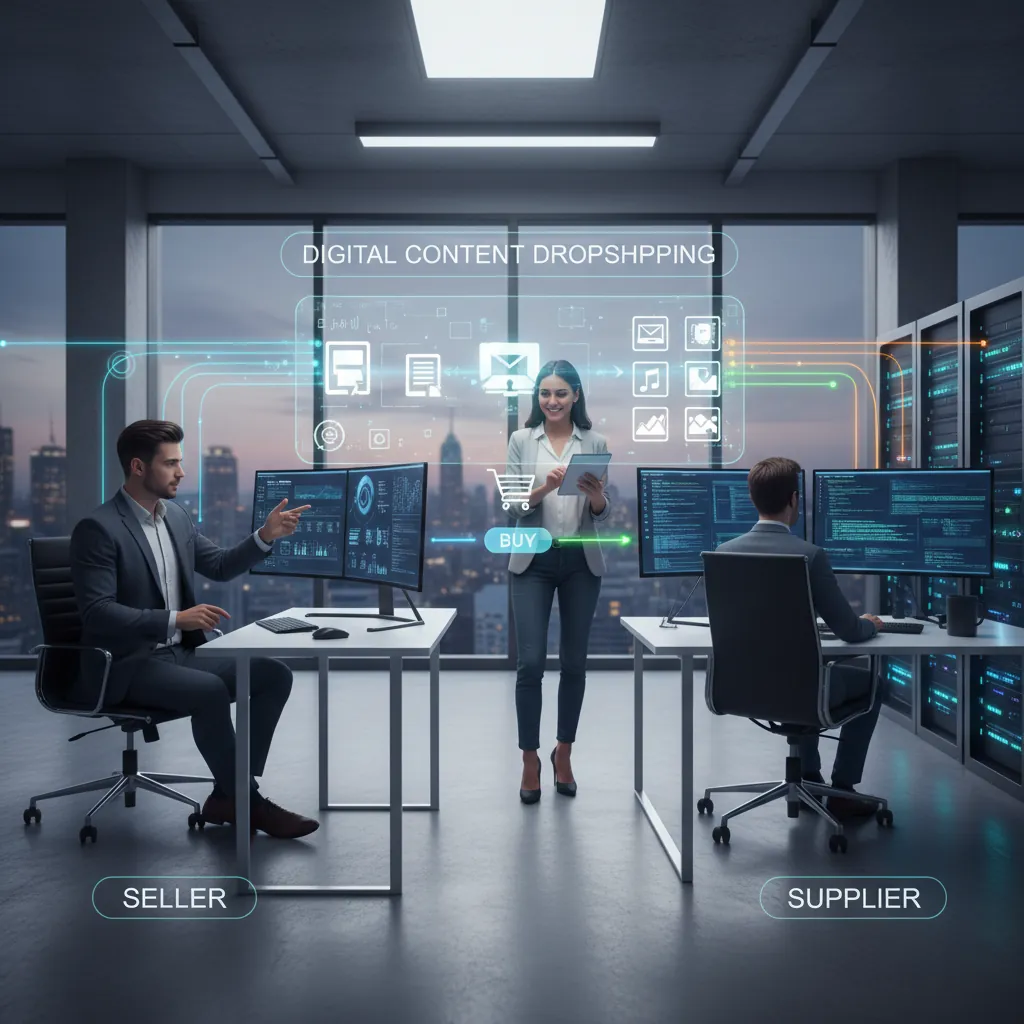
Digital content dropshipping involves selling digital products created by others, acting as a reseller without managing product creation or inventory. When a customer purchases, you facilitate the delivery of the digital file or access link, often automatically, from the product's owner or a distribution platform.
Defining Digital Dropshipping
Digital dropshipping is a business model where an entrepreneur sells digital goods (e.g., e-books, software licenses, art prints, templates) without physically owning or storing them. The seller lists products, and upon a sale, they purchase the product from a third party (often the creator or a digital marketplace) and deliver it directly to the customer electronically, typically via email or download link.
Key Differences from Physical Dropshipping
The primary distinction between digital and physical dropshipping lies in inventory, shipping, and profit margins. Digital dropshipping eliminates the need for physical inventory, packaging, and shipping logistics, leading to significantly lower overheads and often higher profit margins. There are no delays due to shipping, no customs issues, and no damaged goods returns, simplifying the customer experience and operational demands.
It Gaining Traction in 2026
Digital content dropshipping is gaining traction due to increased demand for online learning, digital tools, and remote entertainment, coupled with advancements in automation and AI. The shift towards a digital-first economy, alongside tools that simplify content creation and distribution, makes it easier than ever to enter and scale in this market. The ability to leverage AI for unique content creation, as discussed in Dropshipping Secrets: Unique Content from One Supplier Photo, further enhances its appeal.
The Benefits of Digital Content Dropshipping
Digital content dropshipping offers numerous advantages, including minimal startup costs, high-profit potential, and unparalleled scalability. These benefits make it an attractive venture for entrepreneurs seeking to establish a robust online business without the complexities of physical goods.
Low Overhead and Startup Costs
Starting a digital dropshipping business requires significantly less capital compared to traditional e-commerce or physical dropshipping. There are no manufacturing costs, no inventory storage fees, and no shipping expenses, drastically reducing financial risk and making it accessible to a wider range of entrepreneurs.
High-Profit Margins
Digital products often boast exceptionally high-profit margins because once created, they can be replicated and sold infinitely at virtually no additional cost per unit. Unlike physical goods where each sale incurs manufacturing and shipping costs, digital sales primarily incur marketing and platform fees, leaving a larger portion of the revenue as profit.
Global Reach and Scalability
A digital content dropshipping business can operate and sell products globally 24/7 without geographical limitations. The instantaneous digital delivery means customers worldwide can access products immediately, offering immense scalability without requiring a proportional increase in operational effort or physical infrastructure.
Automation Potential
Many aspects of digital content dropshipping, from product delivery to customer service, can be heavily automated. Platforms and integrations can handle sales processing, file delivery, and even initial customer inquiries, freeing up the entrepreneur to focus on marketing and business growth rather than day-to-day operations.
To Get Started with Digital Content Dropshipping
To begin digital content dropshipping, start by identifying a profitable niche, sourcing high-quality digital products, choosing an appropriate sales platform, and setting up your online store. Each step is crucial for building a sustainable and successful venture.
Step 1: Niche Selection and Market Research
The first step is to identify a profitable niche with strong demand for digital products and manageable competition. Research current trends, analyze competitor offerings, and understand your target audience's specific needs to select products that resonate and solve problems for them.
Step 2: Sourcing Digital Products
Sourcing involves finding reliable creators or marketplaces that offer high-quality digital products you can legally resell or license. Look for creators with good reputations, clear licensing terms, and products that align with your chosen niche. Consider leveraging AI to generate unique digital assets or modify existing ones, as explored in How to Generate UGC Images with AI in 2026.
Step 3: Choosing Your Platform
Selecting the right e-commerce platform is critical for hosting your store and facilitating sales. Platforms like Gumroad, Payhip, or Shopify (with digital download apps) are popular choices, each offering different features, fee structures, and levels of customization. Consider ease of use, scalability, and integration capabilities.
Step 4: Setting Up Your Store
Setting up your store involves designing your website, listing your digital products, and configuring payment gateways. Focus on clear product descriptions, compelling visuals, and a seamless user experience. For Shopify users, insights from How to Scale Your Shopify Brand with AI UGC in 2026 can provide valuable strategies for optimization.
- Define Your Niche: Research and select a specific target audience and product category (e.g., productivity templates for remote workers).
- Find Product Suppliers/Creators: Identify artists, developers, or marketplaces offering digital goods for reselling or affiliate arrangements.
- Select an E-commerce Platform: Choose between specialized platforms like Gumroad/Payhip or general ones like Shopify with digital product plugins.
- Design Your Storefront: Create an appealing website with clear navigation, strong branding, and mobile responsiveness.
- List Products with Detail: Write persuasive product descriptions, use attractive thumbnails, and clearly state what customers will receive.
- Set Up Payment Processing: Integrate secure payment gateways (e.g., Stripe, PayPal) to accept transactions seamlessly.
- Automate Delivery: Configure your platform or integrations to automatically deliver digital files or access links upon purchase.
- Develop Marketing Strategies: Plan how you'll drive traffic, using SEO, social media, email marketing, and paid ads.
- Launch and Optimize: Go live, monitor performance, gather customer feedback, and continuously refine your offerings and marketing.
The Best Digital Products to Dropship
The best digital products to dropship are those with high demand, low creation barriers (for original content), and evergreen appeal, typically ranging from educational resources to creative assets. These include e-books, software, digital art, and online courses, offering diverse opportunities for dropshippers.

E-books and Guides
E-books and digital guides are excellent choices for dropshipping due to their low cost of replication and wide appeal across various niches. From 'how-to' manuals to fiction, personal development, or professional skill guides, they cater to a broad audience seeking knowledge and entertainment.
Software and Templates
Software licenses, web templates, graphic design templates, and productivity tools are highly sought-after digital products. Businesses and individuals constantly need solutions to improve efficiency, creativity, and online presence, making these items very valuable in the dropshipping market.
Digital Art and Stock Photos
Digital art, printable wall art, custom digital portraits, and high-quality stock photos offer creative dropshipping opportunities. Artists and photographers can license their work for resale, and dropshippers can target niches like home decor, graphic design, or social media content creators.
Online Courses and Workshops
Online courses and workshops provide immense value, allowing dropshippers to sell access to educational content without creating it themselves. This can range from skill-based learning (e.g., coding, marketing) to hobbies (e.g., photography, cooking), tapping into the growing e-learning market.
| Product Category | Target Audience | Profit Margin Potential | Growth Outlook |
|---|---|---|---|
| E-books & Guides | Learners, Hobbyists, Professionals | High (70-90%) | Steady |
| Software & Templates | Businesses, Content Creators, Developers | Medium-High (60-85%) | Strong |
| Digital Art & Printables | Home Decor Enthusiasts, Designers | High (75-95%) | Growing |
| Online Courses | Skill Seekers, Career Changers | High (65-80%) | Very Strong |
| Music & Sound Packs | Producers, Content Creators | High (70-90%) | Niche, but Stable |
Marketing Strategies Work Best for Digital Content Dropshipping
Effective marketing for digital content dropshipping involves a multi-channel approach, leveraging SEO, social media, email, and paid advertising to reach target audiences. Success hinges on understanding your customer and delivering value through compelling content.
SEO and Content Marketing
Search Engine Optimization (SEO) and content marketing are crucial for driving organic traffic to your digital storefront. Creating valuable blog posts, guides, and product reviews optimized with relevant keywords helps your store rank higher in search results. For advanced strategies, refer to Mastering Gemini Grounding for SEO Articles in 2026.
Social Media and Influencer Marketing
Social media platforms are ideal for showcasing digital products and engaging with potential customers. Partnering with influencers in your niche can significantly expand your reach and build trust. Creating high-converting video ads, as detailed in How to Create High-Converting UGC Video Ads for TikTok in 2026, is particularly effective.
Email Marketing Funnels
Building an email list and implementing automated email marketing funnels can nurture leads and drive repeat purchases. Offer free digital samples or exclusive discounts to encourage sign-ups, then use sequences to introduce products, share value, and announce promotions.
Paid Advertising
Paid advertising on platforms like Google Ads, Facebook, and Instagram can quickly generate targeted traffic and sales. Utilize detailed audience targeting to ensure your ads are seen by those most likely to purchase your digital products. For a strategic approach to ad creatives, see AI-Powered Content Strategy for Dropshipping Success in 2026.
Much Can You Make from Digital Dropshipping
The earning potential from digital dropshipping varies widely, but it can range from a few hundred to several thousand dollars per month, with top performers earning significantly more, largely due to high-profit margins and scalability. Profitability depends on niche demand, marketing effectiveness, and pricing strategy.
Profit Margins and Pricing Strategies
Digital products typically have profit margins between 60-95%, as there are minimal costs beyond initial acquisition/licensing and marketing. Pricing strategies should consider perceived value, competitor pricing, and bundle offers to maximize revenue without deterring customers.
Factors Influencing Income
Key factors influencing income include the chosen niche, product quality, website traffic, conversion rates, and the effectiveness of marketing efforts. A strong brand presence and excellent customer service also contribute significantly to long-term profitability and customer retention.
Real-World Examples
Successful digital dropshippers often specialize in areas like high-demand templates for specific software, niche online courses, or unique digital art prints, often generating significant passive income. Entrepreneurs in these spaces demonstrate the potential for substantial earnings when combining product market fit with robust marketing.
Common Challenges and Solutions in Digital Dropshipping
Digital dropshipping presents unique challenges, including piracy concerns, managing customer support for non-tangible goods, and differentiating in a competitive market. Addressing these requires proactive measures and strategic planning.
Piracy and IP Protection
The risk of digital piracy is a significant concern for dropshippers of digital content. Solutions include using watermarks, licensing agreements, Digital Rights Management (DRM) tools where applicable, and partnering with creators who actively protect their intellectual property.
Customer Support for Digital Goods
Customer support for digital products often revolves around download issues, compatibility, or usage instructions rather than physical damage or shipping delays. Providing clear FAQs, detailed instructions, and prompt technical assistance can resolve most issues efficiently.
Standing Out in a Crowded Market
To stand out, focus on a highly specific niche, offer unique bundles, provide exceptional customer service, and build a strong brand identity.
"In the digital dropshipping arena, uniqueness is the ultimate currency. Simply reselling generic content leads to a race to the bottom. Curate, brand, and present your digital offerings in a way no one else does." - AI SEO Expert
Emphasizing value proposition and leveraging personalized marketing also helps.
AI Impact the Future of Digital Dropshipping
The future of digital content dropshipping is increasingly intertwined with artificial intelligence, enabling greater automation, personalization, and innovative product offerings. AI is set to revolutionize how digital products are sourced, marketed, and delivered.

AI-Powered Content Creation and Curation
AI tools are making it easier to create unique digital content, from e-book outlines and marketing copy to custom digital art and music, reducing reliance on third-party creators. This allows dropshippers to offer exclusive products or customize existing ones with unprecedented speed and efficiency. For advanced visual content, platforms like My UGC Studio can streamline the generation of diverse and localized assets, enhancing product appeal without manual creative effort.
Personalization and Hyper-Localization
AI can analyze customer data to offer highly personalized product recommendations and localized content, significantly boosting conversion rates. This level of customization, as seen with AI presets for global markets in The Localization Hack: Capture Global Markets with AI Presets, creates a more relevant and engaging shopping experience.
Automated Marketing and Analytics
AI-driven marketing automation can optimize ad spend, generate targeted campaigns, and predict customer behavior with greater accuracy. AI also enhances data analytics, providing deeper insights into market trends and customer preferences, allowing dropshippers to make more informed business decisions and adapt rapidly.