Leveraging AI Photography for Pet Product Marketing
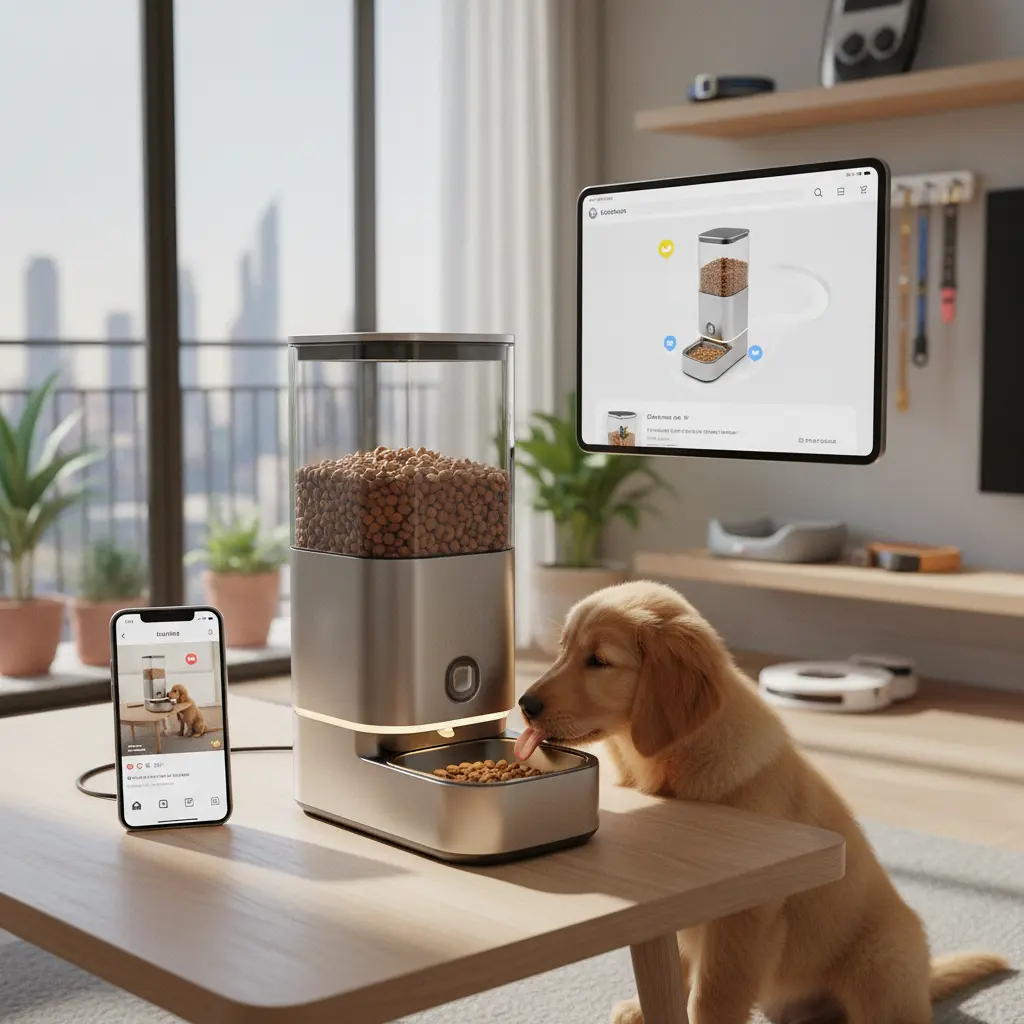
The pet industry thrives on emotional connection and visual appeal. The pet industry thrives on emotional connection and visual appeal. Consumers want to see products in real-world scenarios, depicting happy, healthy pets. Traditional photography for pet products involves significant coordination: sourcing pet models, trainers, specific locations, and managing unpredictable animal behavior. These factors often lead to high costs and long production cycles. AI photography tools eliminate these hurdles by generating photorealistic images from simple product inputs. This technology allows brands to iterate on creative concepts faster, test more visuals, and consistently refresh their product listings and marketing campaigns without waiting for new photoshoots. Businesses can portray specific breeds, environments, and product interactions that directly resonate with their target audience, adapting visuals based on seasonal trends or market feedback. This agility is crucial in a competitive market where new products and trends emerge constantly, demanding fresh, relevant imagery.
Generating Authentic Visuals: Input to AI Output Workflow
Creating compelling AI pet product photos begins with quality input. Creating compelling AI pet product photos begins with quality input. Upload a clear, well-lit image of your product, ideally on a neutral background, to provide the AI with the strongest foundation. Once uploaded, modern AI platforms enable describing the desired scene using text prompts. For a pet toy, you might request "a golden retriever playing with a red ball in a sunny backyard" or "a Siamese cat napping on a plush bed in a modern living room." The AI then interprets these descriptions to craft a unique visual. Advanced tools offer control over lighting, angles, pet breeds, and even expressions, ensuring the generated image aligns with your brand's aesthetic. The key is to be specific with your prompts, focusing on details that convey authenticity and product benefits. Experiment with variations to discover the most effective visuals that capture the attention of pet owners and highlight how the product enhances a pet's life.

Tailoring Pet Product Creatives for Specific Ecommerce Channels
Different ecommerce platforms have unique visual requirements and best practices. Different ecommerce platforms have unique visual requirements and best practices. Leveraging AI allows brands to tailor visuals specifically for each channel, ensuring maximum impact.
- Amazon Product Pages: Prioritize clear, white-background main images. Use AI to generate supporting lifestyle shots that demonstrate product features, benefits, and scale. Include infographic-style images created with AI-generated backgrounds and textual overlays. Focus on showcasing the product's value proposition directly. For more insights, refer to our guide on Elevating Amazon Listing Visuals with AI, No Studio Required.
- Shopify Storefronts: Brand storytelling is paramount here. Use AI to create a rich gallery of diverse lifestyle images, showcasing pets and owners interacting with products in aspirational settings. Integrate a mix of close-ups, wide shots, and visuals emphasizing emotional connection to build a comprehensive brand experience. Learn how AI assists with scaling visuals for Shopify at How Shopify Brands Scale Product Creatives with AI UGC in 2026.
- TikTok and Instagram Reels: Dynamic, short-form video content is essential. Utilize AI tools to convert static product images into engaging video clips that show quick product demonstrations, before-and-after transformations, or humorous pet reactions. Focus on fast cuts and high-impact visuals to capture attention quickly. Discover more in How to Turn Product Images into TikTok, Reels, and PDP Videos with AI and for hooks, check Crafting Engaging TikTok UGC Hooks for Ecommerce.
- Pinterest: This platform functions as a visual discovery engine. Generate a wide array of high-quality, aesthetically pleasing lifestyle images and mood board-style creatives that inspire. Focus on showcasing how pet products integrate into a beautiful home or pet-friendly lifestyle. Optimize for vertical formats. Our article on Pinterest Product Creative Workflow provides further details.
This ability to rapidly adapt visual assets for various platforms ensures maximum impact and adherence to platform-specific guidelines, driving better engagement and conversion rates.
Enhancing Engagement with AI-Generated Pet Product Videos
While static images are fundamental, video content consistently drives higher engagement, particularly on social channels. While static images are fundamental, video content consistently drives higher engagement, particularly on social channels. AI is increasingly capable of transforming product images into compelling short-form videos. This means you can take an AI-generated lifestyle image of a dog with a new chew toy and animate it to show the dog "playing" or interacting with the toy. AI can add subtle movements, seamless transitions, and even simulated environmental effects like falling leaves or sparkling water. These video creatives are invaluable for paid ad campaigns on platforms like TikTok, Instagram, and YouTube Shorts. They offer a dynamic way to demonstrate product benefits, capture attention, and tell a more complete story than a single image can, contributing significantly to conversion goals.
Localizing Pet Product Visuals for International Markets
Expanding into international markets demands more than just translating text; visual localization is crucial for success. Expanding into international markets demands more than just translating text; visual localization is crucial for success. What resonates with a pet owner in the US might not connect with someone in Japan or Germany. AI enables brands to tailor product visuals to specific regional demographics and cultural contexts. For example, an AI could generate images featuring dog breeds popular in a target country, models (human or pet) that reflect local diversity, or settings that mimic local homes and landscapes. This level of customization builds trust and relevance, making the product feel familiar to the local consumer. A cat product might be shown in a minimalist Japanese apartment, while a dog product could be featured in a rustic European countryside setting. This granular approach ensures your marketing speaks directly to the sensibilities of each market, maximizing global reach and conversion rates. Explore comprehensive strategies for localization at How to Localize Ecommerce Product Creatives for Global Markets with AI.
Practical Applications for AI Pet Product Photography
Integrating AI into your visual content workflow offers flexibility for diverse ecommerce needs, from new product launches to global market entry. Integrating AI into your visual content workflow offers flexibility for diverse ecommerce needs, from new product launches to global market entry. Here are practical examples:
- Shopify Product Page Refresh for a New Dog Toy:
- Situation: Launching an innovative chew toy on your Shopify store.
- Creative Approach: Generate 10-15 lifestyle images showing various dog breeds (small, medium, large) happily interacting with the toy in different home and outdoor settings. Focus on conveying durability and fun through dynamic compositions.
- Alternative: Rely on a single studio shot of the toy or use generic stock photos, potentially limiting customer imagination.
- What to Avoid: Inconsistent lighting across images, unrealistic pet expressions that appear artificial, or showcasing only one type of dog, which narrows appeal.
- Explanation: Diverse lifestyle imagery helps a wider audience envision their own pet enjoying the product, increasing perceived value and engagement.
- Amazon Listing Update for Premium Cat Litter:
- Situation: Improving an existing Amazon listing for a dust-free, odor-control cat litter.
- Creative Approach: Use AI to create comparison images illustrating "before/after" odor control with a clean, well-maintained litter box. Generate close-ups demonstrating the litter's texture and absorption. Add an infographic image with key benefits integrated into a clean, easy-to-read background.
- Alternative: Only update the product packaging photo, missing opportunities to demonstrate value.
- What to Avoid: Overly busy backgrounds, images violating Amazon's text-to-image ratio guidelines, or using low-resolution visuals that detract from professionalism.
- Explanation: Amazon buyers make decisions quickly; clear, benefit-driven visuals are critical for swift comprehension and conversion.
- eBay Listing Revamp for Vintage Pet Accessories:
- Situation: Selling unique, vintage-style pet collars and leashes on eBay without access to a photoshoot studio.
- Creative Approach: Photograph each item cleanly. Then, use AI to place these items onto photorealistic backgrounds featuring antique-style settings or elegant pets, maintaining a consistent vintage aesthetic across all listings. Generate multiple angles to highlight craftsmanship.
- Alternative: Take quick phone photos on a cluttered desk, which diminishes perceived quality.
- What to Avoid: Inconsistent backgrounds, poor lighting, or generic modern backdrops that clash with the product's distinct vintage style.
- Explanation: High-quality, themed visuals on eBay elevate perceived value and attract buyers specifically looking for unique, well-presented items.
- TikTok Short-Form Ad Test for a Pet Grooming Gadget:
- Situation: Testing new ad creatives for a pet deshedding tool on TikTok.
- Creative Approach: Generate a series of 5-second video clips (from static images) showing a happy pet being groomed, highlighting the tool's ease of use and the amount of fur it removes. Use AI to add subtle motion, engaging text overlays, and upbeat background music.
- Alternative: A static image of the tool or a low-quality user-recorded video, which may fail to capture attention.
- What to Avoid: Long, unedited footage, videos without a clear hook in the first seconds, or visuals that appear unnatural or robotic.
- Explanation: TikTok demands dynamic, attention-grabbing content. AI-generated video can achieve this efficiently and at scale.
- Pinterest Creative Batch for a Pet-Friendly Home Decor Brand:
- Situation: Populating Pinterest boards with inspiring content for pet beds, bowls, and furniture.
- Creative Approach: Generate 20-30 aspirational lifestyle images of pets enjoying the decor in beautifully designed homes. Ensure variety in pet breeds, home styles (e.g., minimalist, farmhouse), and product arrangements. Create a mix of vertical and square pins to optimize for the platform.
- Alternative: Only sharing product-on-white images or using generic interior stock photos, which lack inspiration.
- What to Avoid: Low-resolution images, visually cluttered scenes, or designs that do not fit Pinterest's high aesthetic standards.
- Explanation: Pinterest is a visual discovery platform where inspiring visuals drive traffic and product consideration, making quality aesthetics crucial.
- Localization Rollout for an EU Pet Food Brand:
- Situation: Launching a specialized pet food line into the German and French markets.
- Creative Approach: For Germany, generate images featuring popular German dog breeds (e.g., German Shepherds, Dachshunds) in a typical European home setting or outdoor park. For France, use images with common French breeds (e.g., Poodles, French Bulldogs) in urban or stylish apartment environments. Ensure product packaging text is localized within the visuals.
- Alternative: Use the same visuals as the US market with only text translations, which can feel impersonal.
- What to Avoid: Using generic or culturally inappropriate models/settings; neglecting to localize visible product packaging within the image itself.
- Explanation: Visual localization is crucial for building trust and genuine resonance with international consumers, demonstrating cultural understanding.
Optimizing Performance of Pet Product Visuals
Once AI-generated visuals are deployed across your ecommerce channels, tracking their performance is essential for continuous improvement. Once AI-generated visuals are deployed across your ecommerce channels, tracking their performance is essential for continuous improvement. Key metrics to monitor include click-through rates (CTR) on ads and product listings, conversion rates on product pages, and engagement rates on social media posts. A/B testing different AI-generated image sets is an effective way to identify what resonates most with your audience. For example, test lifestyle images versus product-in-use shots, or compare visuals featuring different pet breeds or owner interactions. Pay close attention to user feedback and comments, which can provide qualitative insights into the effectiveness of your visuals. This continuous optimization involves refining your AI prompts based on performance data, experimenting with new styles or scenarios, and proactively updating outdated imagery. This iterative approach ensures your visual content remains fresh, relevant, and highly effective in driving sales for your pet brand.
| Use Case | AI Creative Approach | What to Focus On | What to Avoid |
|---|---|---|---|
| Shopify Product Pages | Dynamic lifestyle scenes, diverse pet models | Emotional connection, product in context, brand story consistency | Inconsistent lighting, sterile backgrounds, too few visual variants |
| Amazon Listings | Clear product shots, infographic elements, scale comparisons | Feature clarity, compliance with Amazon rules, clear benefit communication | Busy backgrounds, excessive text on main image, irrelevant details |
| TikTok/Reels Ads | Short, dynamic videos; before/after demonstrations; pet reactions | Quick hooks, clear visual demonstration, trending audio integration | Static images, lengthy explanations, poor video quality or pacing |
| Pinterest Pins | Aspirational lifestyle content, mood board-style imagery | Aesthetic appeal, relevant keyword optimization, multiple aspect ratios | Low resolution, generic stock photos, visually cluttered designs |
| Global Market Entry | Localized models (pet & human), culturally relevant settings, localized packaging | Cultural fit, demographic representation, regional visual relevance | Generic US-centric imagery, unlocalized text in visuals, mismatched aesthetics |
| Catalog & Campaigns | Batch generation of consistent styles, seasonal and thematic content | Brand consistency, quick iterations for campaigns, diverse product display | Manual photo shoots, slow turnaround times, repetitive or dated visuals |
| Pet Clothing Fit | Realistic drape, varied pet body types, simulations of movement | Accurate representation of fit and comfort, material texture, product utility | Stiff models, unrealistic textures, poor garment fit on AI-generated pets |
| Dropshipping Visuals | Unique lifestyle and usage shots from basic product inputs | Standing out from competitors, showing perceived value and distinctiveness | Relying solely on manufacturer images, inconsistent visual quality or style |
| Social Media Posts | Diverse engagement-focused images, humorous or heartwarming scenarios | Audience interaction, shareability, aligning with social trends | Overly commercial look, lack of variety, ignoring platform-specific trends |