AI Visuals for Pet Brands and Animal Products
Pet brands need more than cutout packshots. My UGC Studio helps you create product-led ecommerce scenes with dogs, cats, and other pet contexts when the product is actually made for animals. Use it for PDPs, launch campaigns, social assets, and stronger branded store visuals.
Why pet brands need a different visual workflow
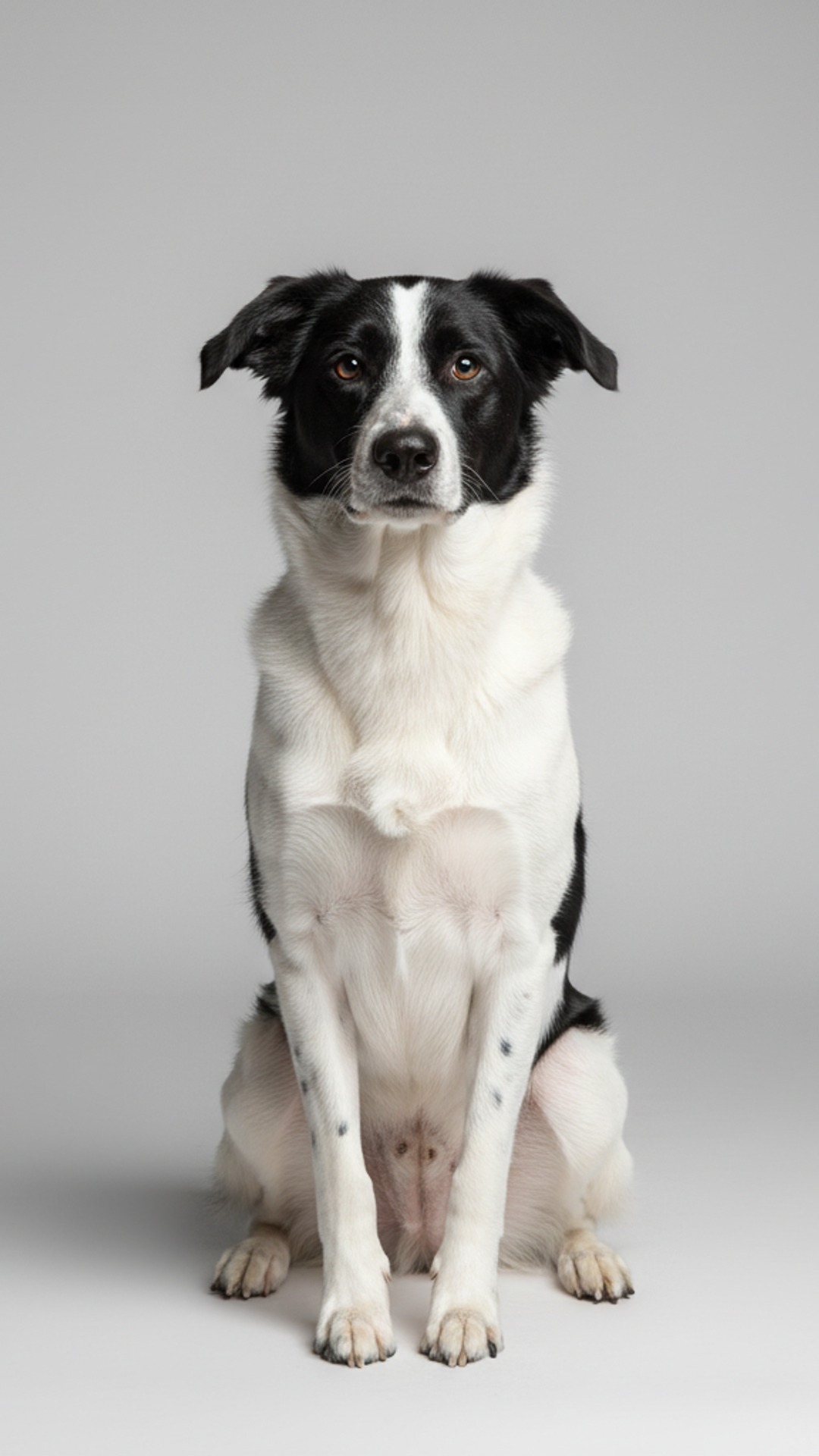
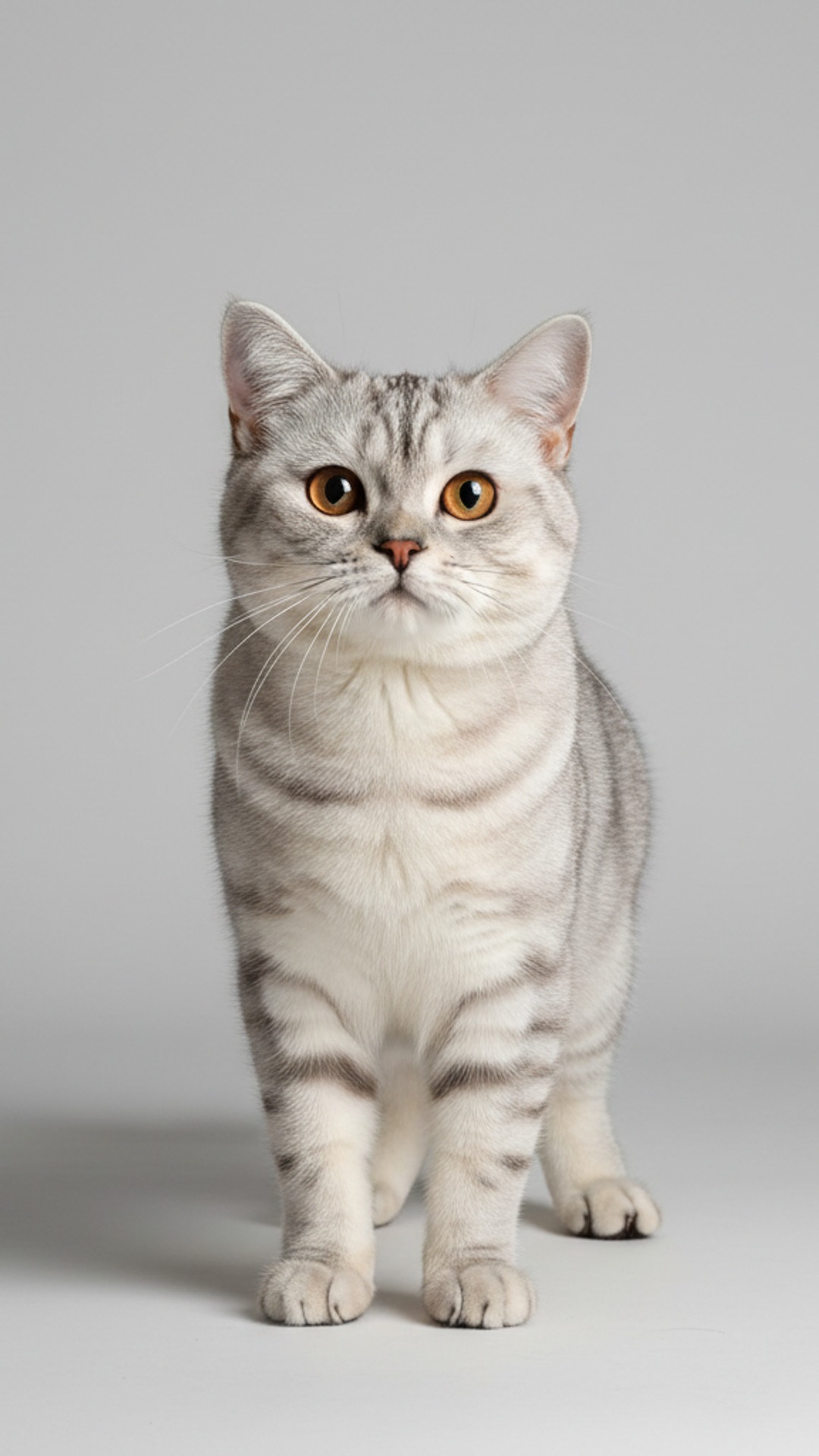
Pet products are difficult to sell with generic supplier photos alone. A toy, accessory, grooming item, or feeding product usually performs better when customers can immediately understand scale, context, and how it fits naturally into a pet-centered lifestyle scene.
That makes pet brands different from standard ecommerce categories. You often need believable animal context, softer emotional framing, and visuals that still feel commercial rather than stock-photo driven.
Who this workflow is best for
This use case works best for pet-focused ecommerce brands that need more than one supplier image and want visuals that feel branded, product-led, and commercially usable across channels.
What products work best
The workflow is strongest when the product has a clear real-world relationship to the pet and benefits from context, use, or scale.
| Product type | Best output | Where to use it | Why it matters |
|---|---|---|---|
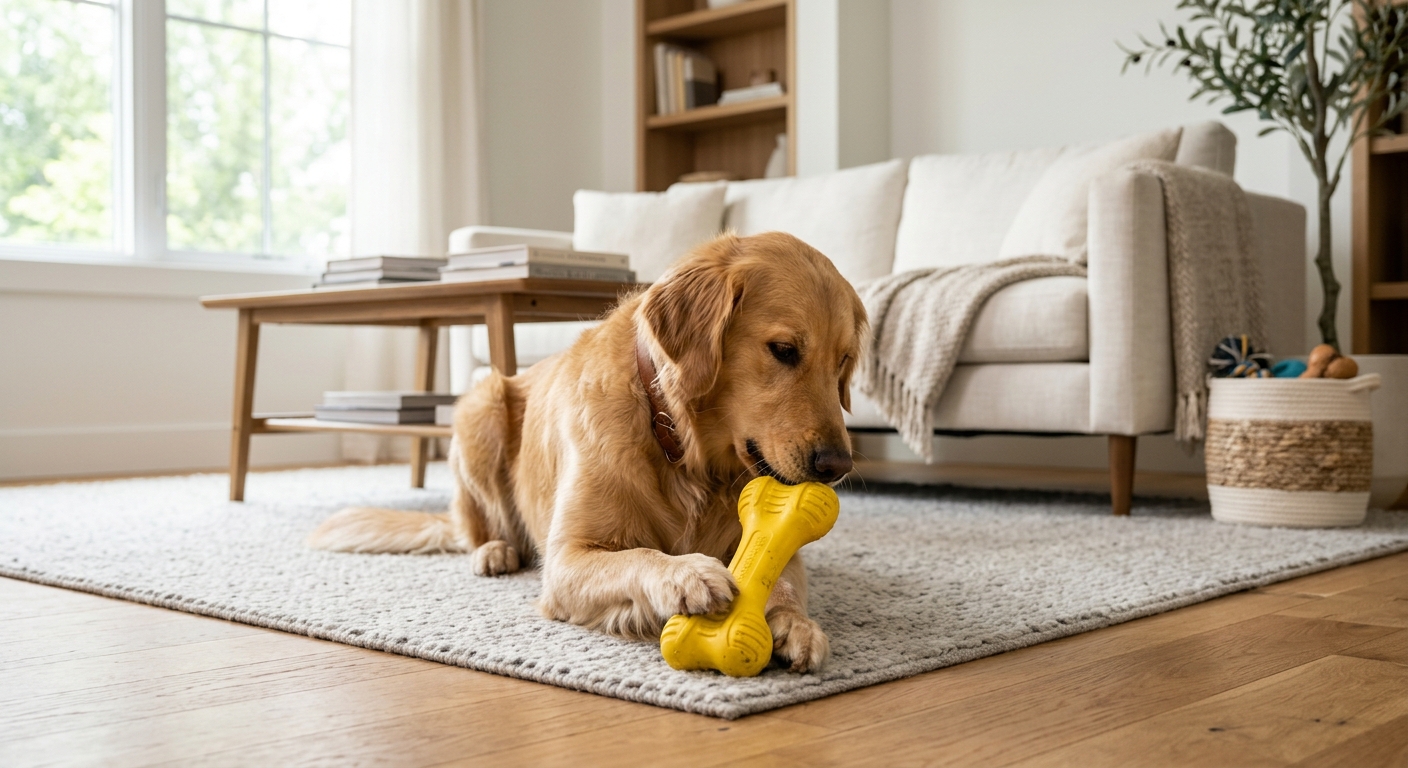
| Pet toys | Lifestyle use scenes, PDP support visuals | PDP, ads, social | Shows size, interaction, and play context. |
| Collars / leashes / harnesses | Animal-led lifestyle shots | PDP, collection pages, campaigns | Makes fit and premium positioning easier to read. |
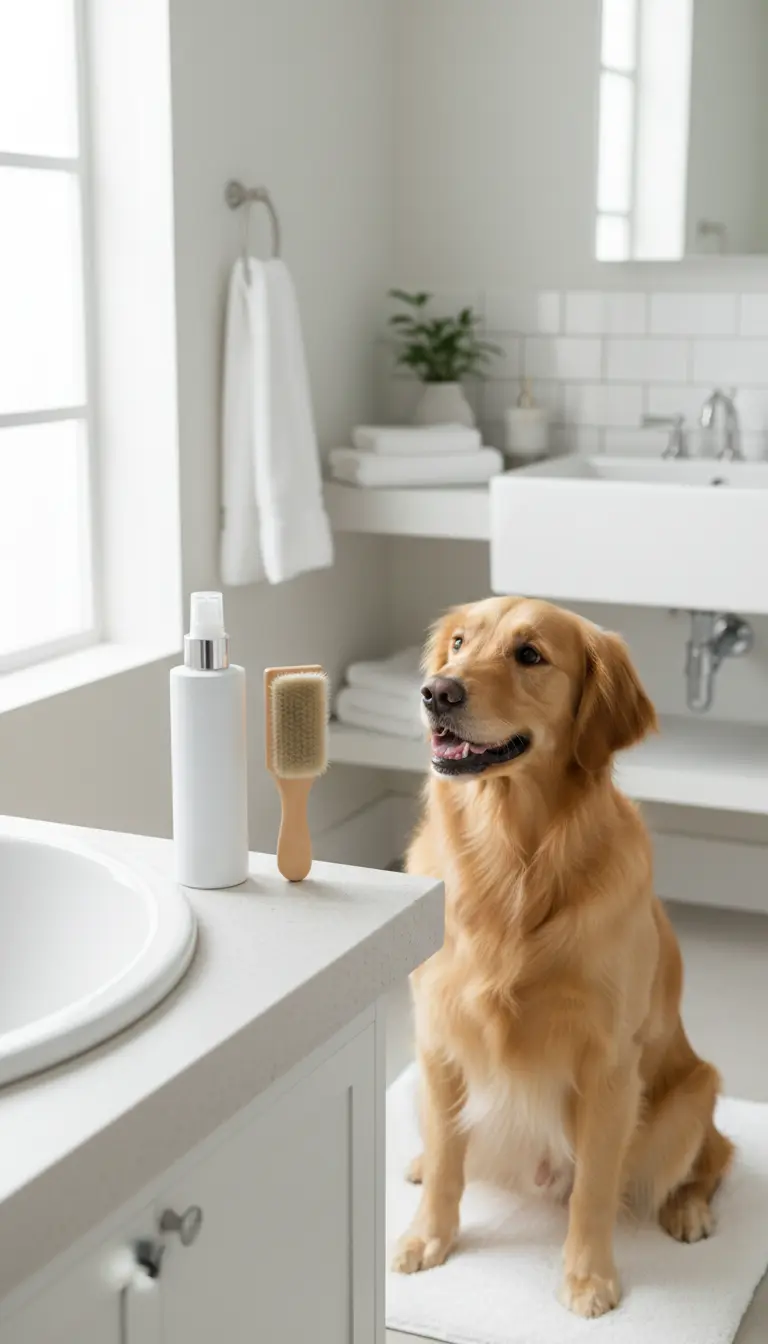
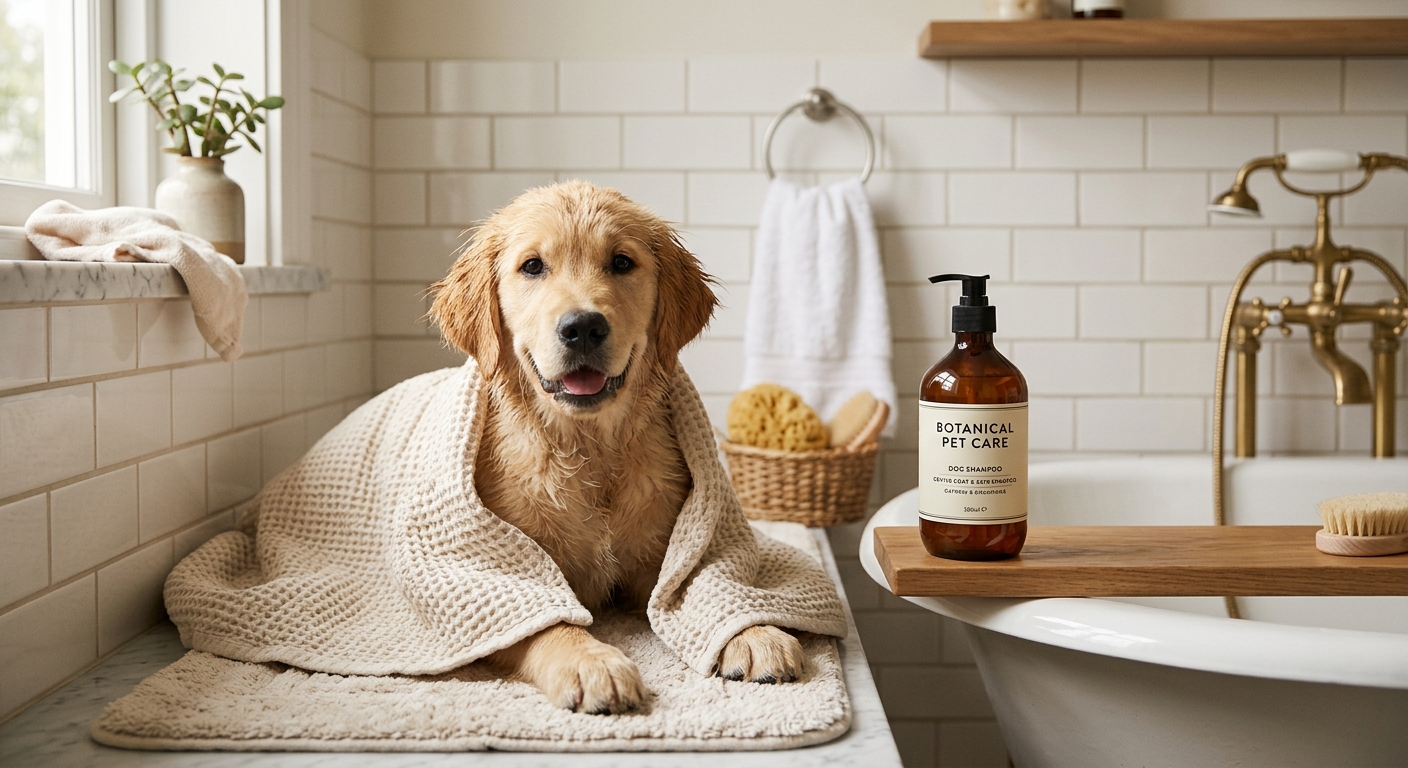
| Grooming products | Clean brand scenes, shelf-style compositions | PDP, landing pages, email | Improves trust and gives the product a more premium frame. |
| Pet apparel | Wear-in-context product visuals | PDP, social, ads | Explains fit, mood, and use case faster than packshots. |
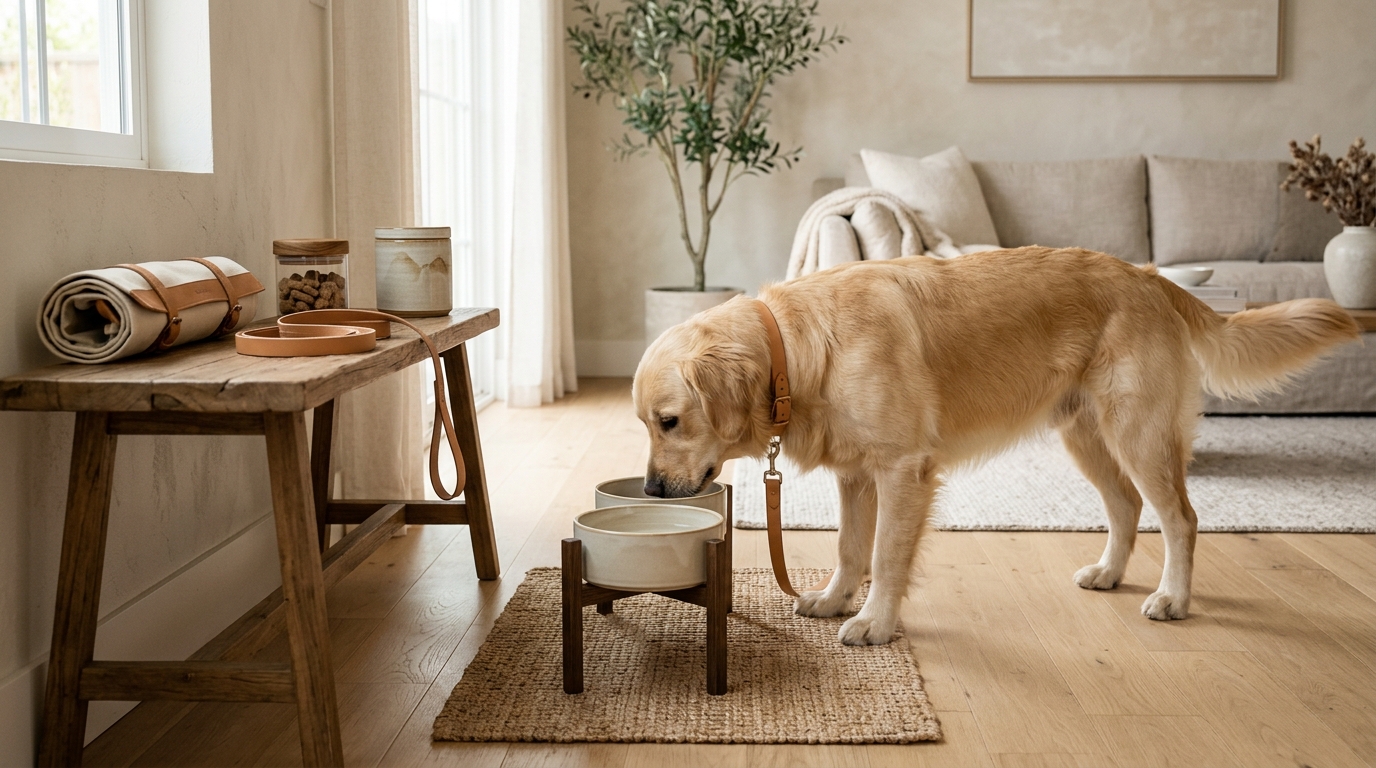
| Bowls / feeders | Home-context feeding scenes | PDP, collection pages | Clarifies scale and everyday placement. |
| Supplements / care | Brand-controlled product scenes | PDP, paid social | Gives a cleaner and more trustworthy commercial presentation. |
Input to output: how the workflow translates into real assets
Typical inputs
Typical outputs
Recommended workflow for pet-focused stores
Use the same product-led process as other ecommerce categories, but adapt it to pet context and real-world usage scenes.
What you can create for pet brands
Pet visuals usually need to work across more than one channel. The strongest outputs are the ones that can move from PDP support into social, campaigns, and brand refreshes without needing a new shoot every time.
Before and after: from product shot to brand-ready pet creative
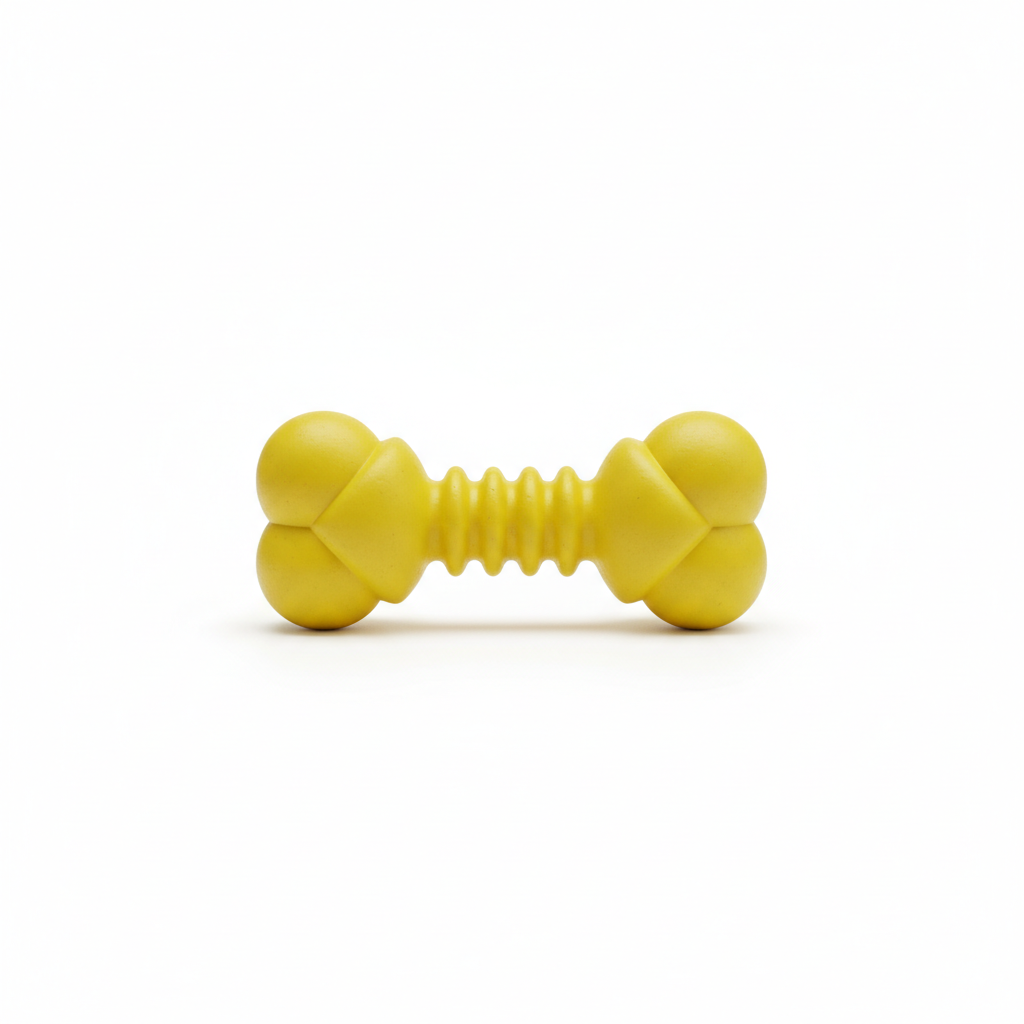
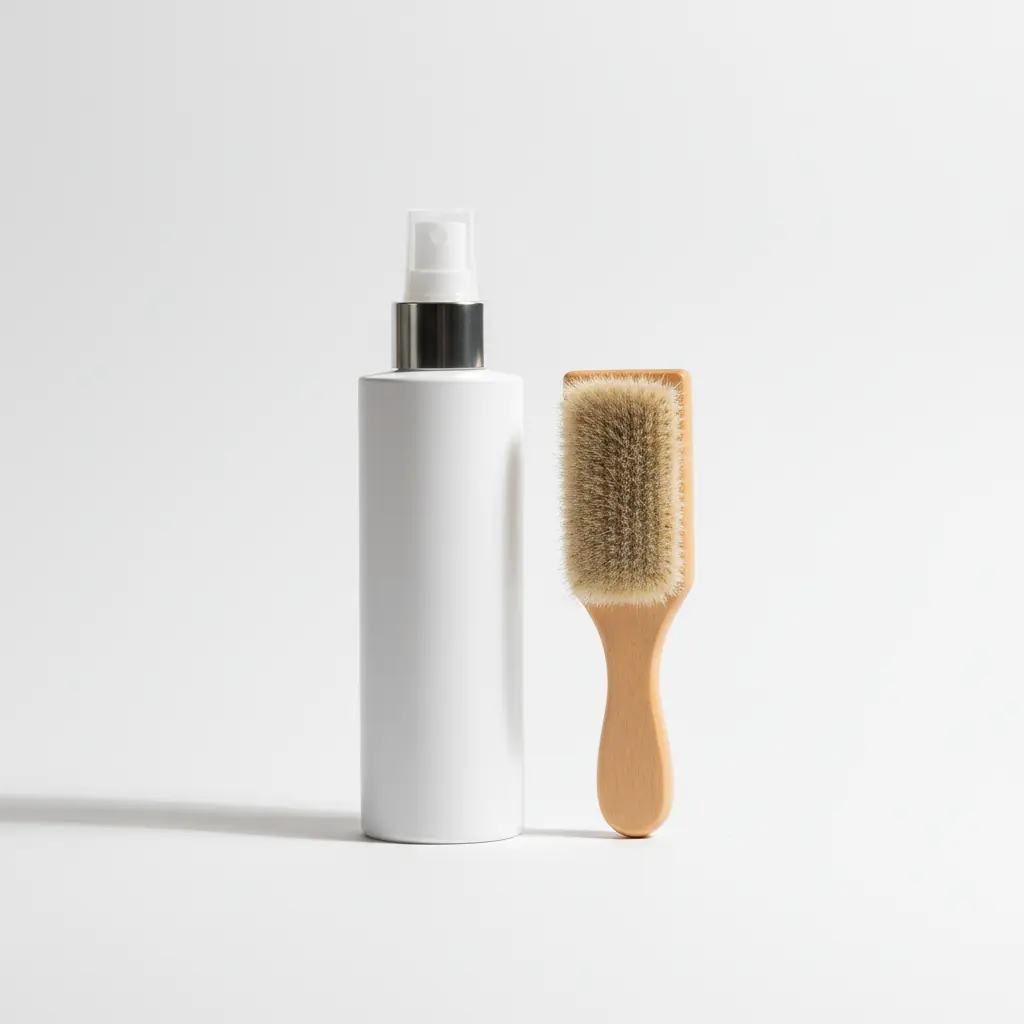
This block shows the actual transformation the page was missing: a clean ecommerce input and the stronger commercial output built around believable pet context.

Use-case examples for pet brands
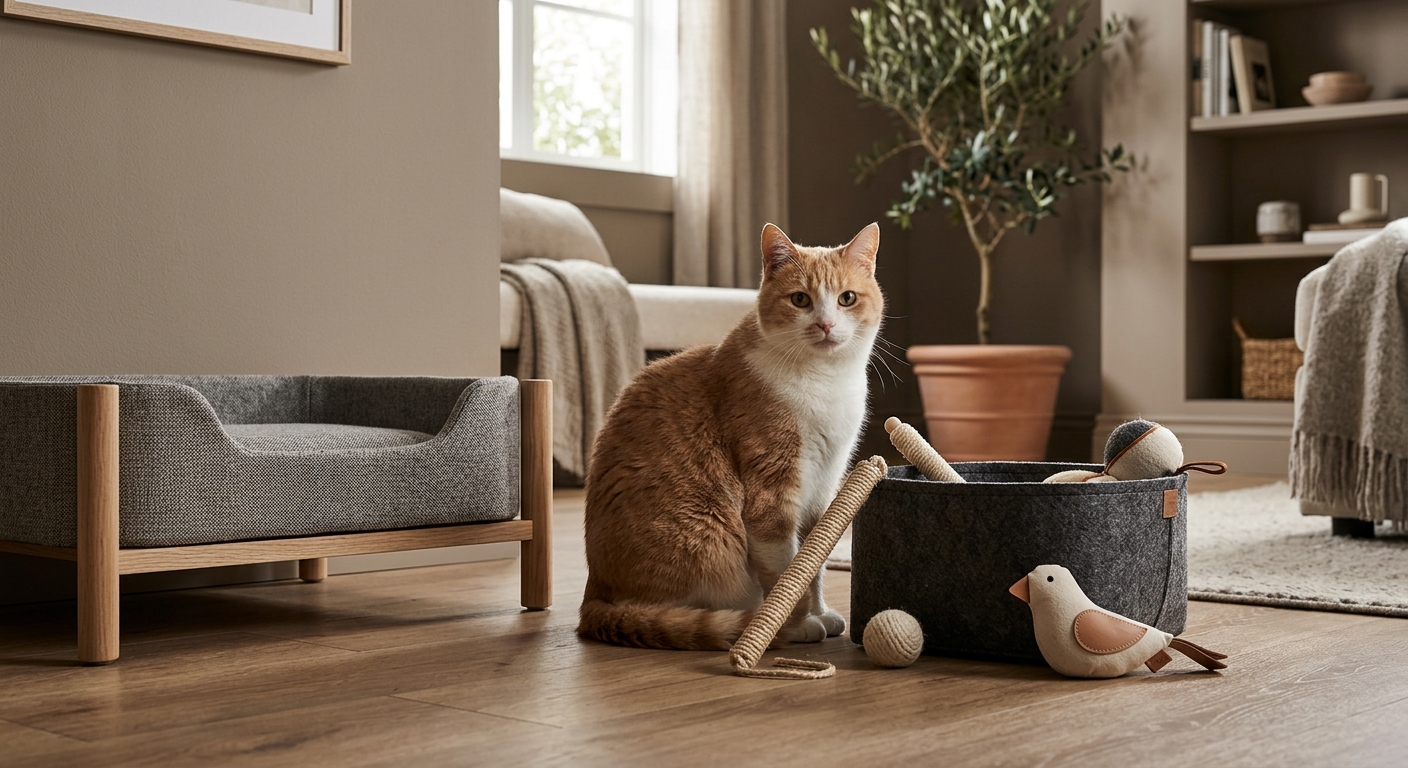
These examples now map each image to a real commercial job instead of reusing the same generic pet scene. The goal is to show how pet-brand visuals should support specific storefront and marketing placements.
Why not generic pet stock or repeated supplier imagery
Generic stock photography can create warmth, but it often disconnects the scene from the actual product you need to sell. Supplier images do the opposite: they show the product, but usually without any emotional or contextual strength.
A stronger pet-brand workflow sits between both extremes. The product stays central, while the animal scene gives scale, use case, and more emotional brand relevance.
Common mistakes in pet product visuals
Where this workflow works best and where it is more limited
FAQ for pet brands
Yes. This workflow is meant for products that are made for pets, where animal-led scenes help clarify context and improve visual storytelling.
No. It also supports accessories, pet apparel, bowls, feeders, grooming products, and broader lifestyle pet-brand creative.
Yes. The goal is to create outputs that work across product pages, social creative, paid social, and launch campaigns.
The strongest outputs usually feel believable, warm, and product-led rather than overly stylized. The product should stay central while the animal context adds clarity and emotion.
Products with a clear pet-use relationship usually work best: toys, leashes, collars, grooming products, feeders, bowls, and pet apparel.
Build a stronger pet-brand visual system
Use one workflow to turn existing pet product images into PDP support visuals, campaign scenes, and social-ready creative without rebuilding every shoot from zero.